
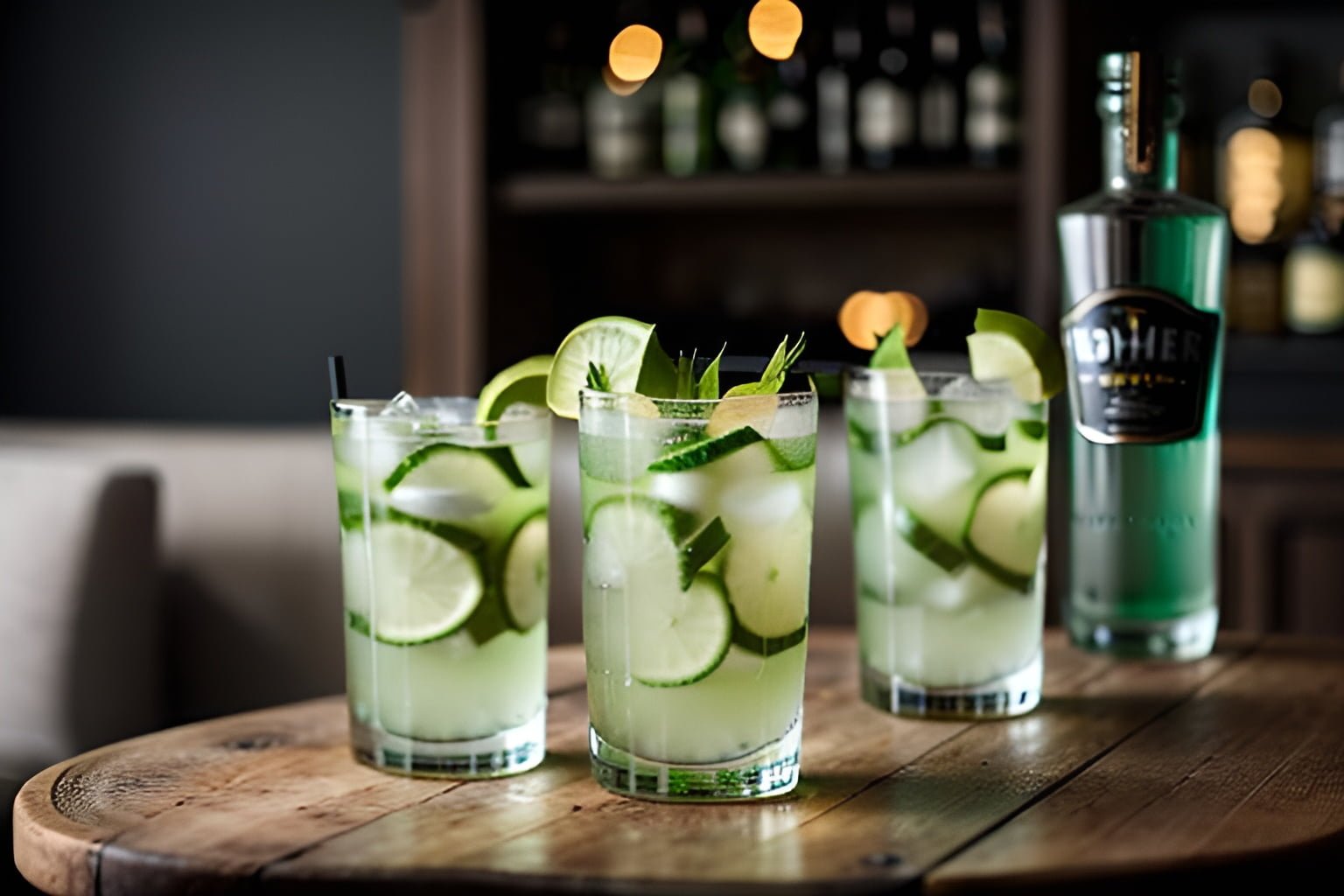
The cucumber gin and tonic transforms the familiar comfort of a classic G&T into something unexpectedly refined. Where a traditional gin and tonic delivers reliable botanical punch, the addition of fresh cucumber introduces a cooling, garden-fresh dimension that makes each sip feel like drinking liquid summer. The vegetable’s subtle earthiness doesn’t compete with gin’s juniper backbone—instead, it creates a harmonious bridge between the spirit’s herbal complexity and tonic’s bitter sparkle.
This isn’t just another flavored cocktail trend. The cucumber gin and tonic represents the evolution of highball culture, where bartenders discovered that the simplest additions often yield the most sophisticated results. The drink captures that perfect moment when familiar comfort meets gentle innovation, creating something both accessible and memorable.
What makes this cocktail particularly compelling is its ability to showcase cucumber’s versatility as a cocktail ingredient. Rather than masking other flavors, cucumber amplifies the gin’s botanical elements while adding its own crisp, clean character. The result is a drink that feels both refreshing and substantial, light enough for afternoon sipping yet complex enough to hold your attention through multiple rounds.
Cucumber Gin and Tonic Ingredients
- 2 oz (60 ml) gin (London Dry preferred)
- 4-5 oz (120-150 ml) premium tonic water
- 3-4 thin cucumber slices
- 1 cucumber ribbon (for garnish)
- 0.5 oz (15 ml) fresh lime juice
- Ice cubes
- Fresh mint sprig (optional garnish)
How to Make a Cucumber Gin and Tonic
Equipment needed: highball glass, jigger, muddler, vegetable peeler, sharp knife, bar spoon
- Fill a highball glass with ice cubes and set aside to chill while preparing other ingredients.
- Using a vegetable peeler, create one long cucumber ribbon by running the peeler along the length of a cucumber. Set aside for garnish.
- Cut 3-4 thin cucumber slices (about 1/8-inch thick) from the same cucumber.
- Empty the ice from your glass, add the cucumber slices to the bottom.
- Gently muddle the cucumber slices 3-4 times—just enough to release juices without pulverizing the cucumber.
- Refill the glass with fresh ice cubes.
- Add gin and lime juice to the glass.
- Top with tonic water, pouring slowly to preserve carbonation.
- Stir gently with a bar spoon for 2-3 rotations to combine ingredients.
- Thread the cucumber ribbon onto a cocktail pick or simply drop it into the glass as garnish, along with a mint sprig if using.
Alternative Ingredients and Substitutes
- Gin alternatives: Hendrick’s gin contains cucumber botanicals for double the cucumber flavor. Plymouth gin offers a softer profile that lets cucumber shine. Vodka works as a neutral base if you prefer less botanical complexity.
- Tonic water options: Fever-Tree cucumber tonic amplifies the cucumber theme. Q Tonic provides clean bitterness without overwhelming sweetness. Elderflower tonic adds floral notes that complement cucumber’s freshness.
- Cucumber preparation: English cucumbers offer less bitterness than regular cucumbers. Persian cucumbers provide concentrated flavor in smaller packages. Cucumber juice (1 oz) can replace muddled slices for a cleaner presentation.
- Citrus substitutions: Lemon juice brightens the drink differently than lime. Grapefruit juice adds bitter complexity. Omit citrus entirely to let cucumber flavors dominate.
- Enhancement options: Fresh basil pairs beautifully with cucumber’s garden character. Elderflower liqueur (0.25 oz) adds subtle sweetness. A pinch of sea salt enhances all flavors without being detectable.
History and Origins
The cucumber gin and tonic doesn’t trace back to a single moment of invention but rather emerged from the broader craft cocktail movement of the early 2000s. As bartenders began experimenting with fresh ingredients and seasonal garnishes, cucumber naturally found its way into gin-based drinks due to its affinity for juniper and other botanicals.
The combination gained significant momentum when Hendrick’s gin launched in 2000, specifically marketing itself as “infused with cucumber and rose petals.” This Scottish gin’s success demonstrated that cucumber wasn’t just a garnish—it could be an integral flavor component that enhanced rather than masked gin’s botanical character.
British gastropubs and American craft cocktail bars began featuring cucumber gin and tonics around 2005-2008, often as summer seasonal offerings. The drink’s popularity coincided with the farm-to-table movement, where fresh, local ingredients became badges of culinary authenticity. Unlike many craft cocktails that required obscure spirits or complex preparation, the cucumber gin and tonic appealed because it improved upon something familiar.
The cocktail’s evolution reflects changing attitudes toward vegetables in cocktails. What started as simple garnishing evolved into deliberate flavor integration, with bartenders learning to muddle, juice, and incorporate cucumber in ways that maximized its contribution to the drink’s overall profile.
Flavor Profile
The first sip delivers cucumber’s signature coolness—a clean, almost mineral-like freshness that immediately distinguishes this from a standard gin and tonic. The vegetable’s subtle earthiness appears next, grounding the drink without weighing it down. Gin’s juniper notes remain prominent but seem more integrated, as if cucumber helps translate the botanical elements into a more unified flavor statement.
Mid-palate brings tonic water’s characteristic bitterness, but cucumber’s presence softens those edges slightly, creating a more rounded drinking experience. The lime juice adds brightness that lifts all the other flavors, while the combination of gin and cucumber creates an almost spa-like quality—refreshing in a way that feels genuinely restorative rather than merely thirst-quenching.
The finish showcases cucumber’s remarkable ability to enhance without overwhelming. Rather than leaving you with vegetable flavors, the drink concludes with clean botanical notes that feel amplified and clarified. The cucumber acts like a flavor lens, bringing gin’s herbal complexity into sharper focus while adding its own subtle contribution to the overall harmony.
Serving Suggestions
Serve in a tall highball glass or Collins glass to accommodate the drink’s generous proportions and showcase the cucumber garnish. The glass should be pre-chilled to maintain the drink’s refreshing temperature, and large ice cubes work better than crushed ice to minimize dilution while keeping everything properly cold.
Present the cucumber ribbon as an elegant spiral inside the glass, which provides both visual appeal and aromatic enhancement. The garnish should be prepared fresh for each drink—pre-cut cucumber quickly loses its crisp texture and fresh aroma. A mint sprig adds color contrast and additional aromatics but shouldn’t overpower the cucumber’s subtle character.
This cocktail shines during warm weather and outdoor entertaining. It’s ideal for afternoon garden parties, brunch gatherings, or as a pre-dinner aperitif when you want something refreshing but not overly sweet. The drink works particularly well during late spring and summer months when cucumbers are at peak freshness and the cooling effect feels most appreciated.
Food Pairings
- Smoked salmon canapés: The cucumber echoes classic pairing traditions while gin’s botanicals complement the fish’s richness
- Goat cheese and herb crostini: Creamy textures contrast beautifully with the drink’s crisp, clean flavors
- Gazpacho shooters: Both drinks celebrate fresh vegetable flavors and cool, refreshing qualities
- Grilled shrimp skewers: Light protein allows cucumber and gin flavors to shine without competition
- Cucumber tea sandwiches: Classic British pairing that reinforces the cocktail’s garden-fresh theme
- Fresh oysters: Briny shellfish and botanical gin create an elegant coastal combination
- Watermelon and feta salad: Sweet fruit and salty cheese bridge the drink’s fresh, savory elements
- Herb-crusted chicken: Light proteins with garden herbs echo the cocktail’s botanical complexity
- Asian summer rolls: Fresh vegetables and herbs in the rolls complement cucumber’s clean flavors
Alcohol Content and Nutrition
- ABV: 8-10% (approximately 1.2 standard drinks per serving)
- Calories: 120-140 per serving, depending on tonic water brand
- Carbohydrates: 8-12 grams, primarily from tonic water’s added sugars
- Sugar: 6-10 grams, mostly from tonic water
- Protein: Less than 1 gram
- Fat: 0 grams
- Sodium: 10-15 mg, slightly elevated from tonic water
- Hydration benefits: High water content from tonic and cucumber provides better hydration than most cocktails
Popular Variations
- Frozen Cucumber Gin and Tonic: Blended with ice and additional cucumber for a slushy summer treat
- Elderflower Cucumber G&T: Adds 0.5 oz elderflower liqueur for subtle floral sweetness
- Spicy Cucumber Gin and Tonic: Muddled jalapeño or serrano pepper creates heat that contrasts beautifully with cucumber’s coolness
- Cucumber Basil G&T: Fresh basil leaves muddled with cucumber create an herbaceous garden cocktail
- Cucumber Rose G&T: Rose water or rose petal garnish emphasizes Hendrick’s gin botanical profile
- Cucumber Ginger G&T: Fresh ginger adds warmth and spice complexity to the cooling base
- Dirty Cucumber G&T: Splash of olive brine creates a savory, almost martini-like character
Common Mistakes to Avoid
- Over-muddling cucumber: Aggressive muddling releases bitter compounds and creates unpleasant pulp. Gentle pressing releases enough juice and oils.
- Using old cucumber: Cucumbers lose their crisp texture and fresh flavor quickly. Use only firm, fresh cucumbers for best results.
- Wrong ice ratio: Too little ice allows rapid dilution, while overpacking prevents proper mixing. Fill glass 3/4 full with ice.
- Cheap tonic water: Low-quality tonic contains excessive sweeteners that mask cucumber’s subtle flavors. Invest in premium tonic water.
- Adding tonic too quickly: Rapid pouring kills carbonation that provides essential texture and mouthfeel. Pour slowly down the side of the glass.
- Skipping the lime: Acid brightens all other flavors and prevents the drink from tasting flat or one-dimensional.
- Pre-made cucumber ribbons: Cucumber garnishes oxidize quickly, losing visual appeal and fresh aroma within 30 minutes of cutting.
Conclusion
The cucumber gin and tonic succeeds because it enhances rather than reinvents. By adding one fresh ingredient to a beloved classic, you create something that feels both familiar and new—sophisticated enough for cocktail enthusiasts yet approachable for anyone who enjoys a traditional G&T. The drink proves that the best cocktail innovations often come from subtle additions rather than complete overhauls.
Experimentation with different gin styles, tonic waters, and garnish combinations keeps this cocktail interesting across multiple servings and seasons. Remember to enjoy responsibly and stay hydrated, especially during warm weather when these refreshing cocktails taste most appealing.