
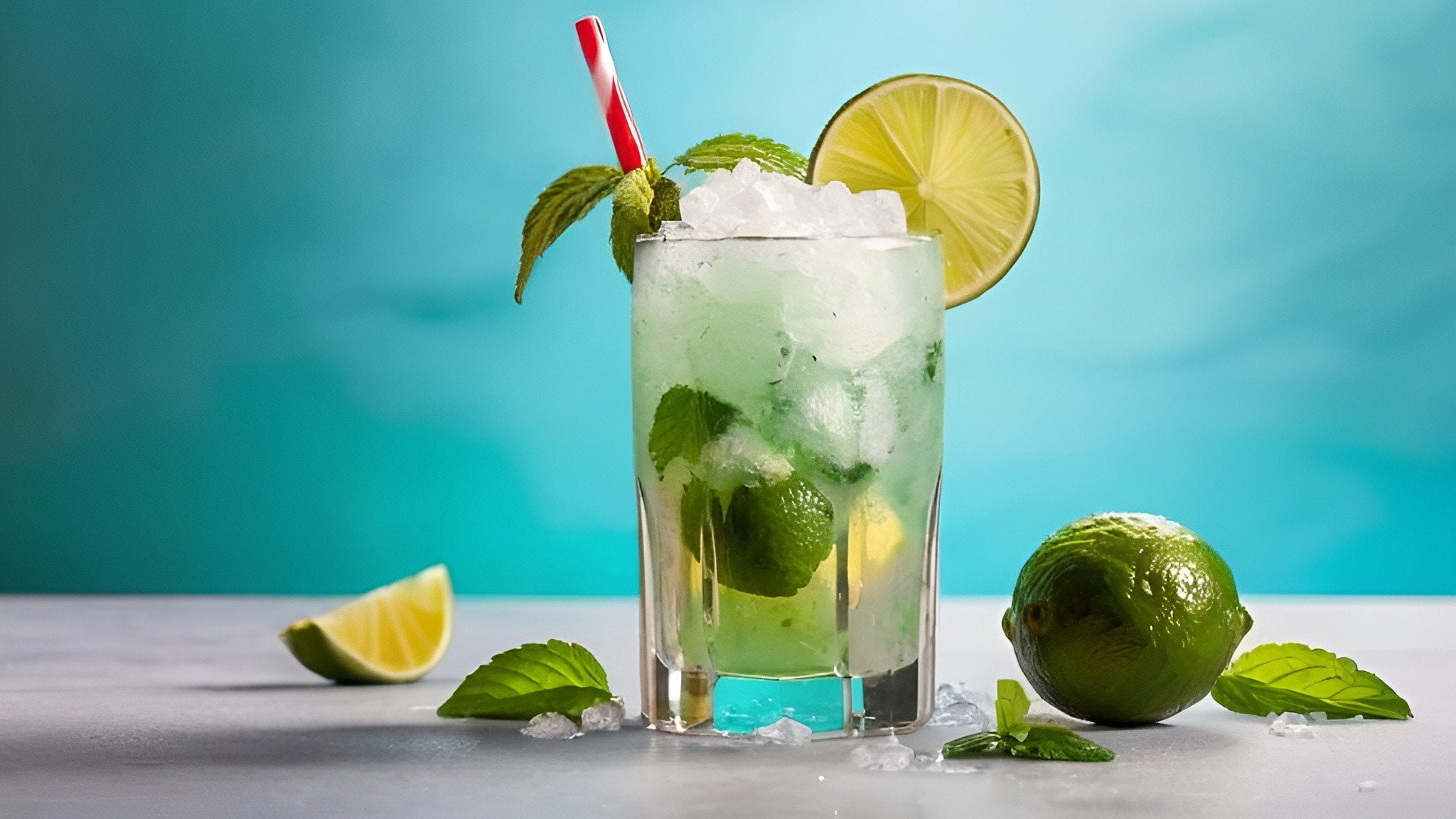
The frozen mojito transforms Cuba’s beloved minty classic into a frosty, slush-like treat that captures all the refreshing essence of the original while delivering the cooling satisfaction of a snow cone. This icy adaptation takes the traditional mojito’s bright lime, aromatic mint, and smooth rum and blends them with ice to create a texture that’s part cocktail, part frozen dessert.
Unlike its liquid counterpart that you sip contemplatively, a frozen mojito demands to be enjoyed quickly before it melts, making each sip a race against time that somehow enhances the experience. The blending process doesn’t just chill the drink—it transforms the mint into tiny green flecks that distribute evenly throughout, while the lime juice and rum create a perfectly balanced base that tastes like summer vacation in a glass.
This frozen variation has become a poolside and beach bar staple, offering the sophisticated flavor profile of a mojito with the playful, vacation-ready presentation that screams relaxation. The drink bridges the gap between elegant cocktail culture and casual frozen treats, making it acceptable to enjoy what’s essentially an adult slushie without sacrificing any of the mojito’s authentic Cuban character.
Frozen Mojito Ingredients
- 2 oz (60 ml) white rum
- 1 oz (30 ml) fresh lime juice
- 0.75 oz (22 ml) simple syrup
- 8-10 fresh mint leaves
- 1.5 cups crushed ice
- 2 oz (60 ml) club soda
- Fresh mint sprig for garnish
- Lime wheel for garnish
How to Make a Frozen Mojito
Equipment needed: Blender, jigger, muddler (optional), hurricane or large wine glass
- Add the mint leaves to your blender and pulse 2-3 times to break them up without over-processing them into powder.
- Pour the white rum, fresh lime juice, and simple syrup into the blender with the mint.
- Add the crushed ice to the blender, ensuring you have enough to create a thick, slushy consistency.
- Blend on high speed for 15-20 seconds until the mixture reaches a smooth, frozen consistency similar to a daiquiri.
- Add the club soda and pulse 2-3 times just to incorporate—don’t over-blend or you’ll lose the carbonation.
- Taste and adjust sweetness or lime juice as needed, pulsing briefly to mix any additions.
- Pour into a chilled hurricane glass or large wine glass, leaving room at the top.
- Garnish with a fresh mint sprig and lime wheel, and serve immediately with a straw.
Alternative Ingredients and Substitutes
- Rum alternatives: Gold rum adds caramel notes and depth. Coconut rum creates a tropical twist. Silver tequila makes an interesting Cuban-Mexican fusion.
- Sweetener options: Agave nectar provides a cleaner sweetness. Coconut syrup adds tropical flavor. Honey works but can overpower the mint.
- Citrus variations: Key lime juice offers more tartness and authenticity. Lemon juice creates a different but refreshing profile. Grapefruit juice makes a unique bitter-sweet version.
- Mint substitutes: Fresh basil creates an herbaceous Italian-inspired version. Cilantro works for those who enjoy its distinctive flavor. Spearmint is milder than peppermint.
- Ice considerations: Regular ice cubes work but create a chunkier texture. Frozen lime juice cubes boost flavor while maintaining consistency.
History and Origins
The frozen mojito emerged as a natural evolution of the classic mojito during the rise of frozen cocktail culture in American bars during the 1970s and 1980s. While the traditional mojito traces its roots to 16th-century Cuba, where it was originally called “El Draque” after Sir Francis Drake, the frozen version represents a much more recent innovation born from the popularity of blended drinks.
Most accounts trace the frozen mojito’s development to Florida bars in the 1980s, where Cuban-American bartenders began experimenting with blending traditional Cuban cocktails to appeal to tourists seeking refreshing frozen drinks. The trend coincided with the widespread adoption of commercial blenders in bars and the growing popularity of frozen daiquiris and margaritas.
The drink gained significant traction in beach resort destinations throughout the Caribbean and coastal United States, where the combination of Cuban flavors and frozen refreshment perfectly matched the vacation atmosphere. Unlike some frozen cocktail adaptations that lose the essence of the original, the frozen mojito successfully maintains the herb-forward, lime-bright character that defines the mojito family while offering the instant cooling relief that made frozen cocktails so appealing to warm-weather drinkers.
Flavor Profile
The first sip delivers an immediate cooling sensation followed by the bright, acidic punch of fresh lime juice that awakens your palate. The mint doesn’t hit you as a single note but rather weaves throughout the entire experience, providing an herbaceous backdrop that feels both refreshing and slightly sweet. The blending process releases more mint oils than traditional muddling, creating a more intense herbal presence that some find more pronounced than in a classic mojito.
The white rum provides a clean, slightly sweet foundation that supports rather than dominates the other flavors. As the drink sits on your tongue, you taste the interplay between the tart lime and the cooling mint, while the simple syrup rounds out any sharp edges without making the drink cloying. The texture plays a crucial role in the flavor experience—the icy slush coats your mouth and extends each sip’s cooling effect.
The finish is clean and refreshing, with mint lingering pleasantly while the lime’s acidity encourages another sip. The club soda adds subtle effervescence that prevents the drink from feeling too dense, though the carbonation is less noticeable than in a traditional mojito due to the frozen format.
Serving Suggestions
Hurricane glasses work best for frozen mojitos due to their wide mouth and generous capacity, allowing plenty of room for the thick, slushy mixture and elaborate garnish presentations. Large wine glasses serve as an elegant alternative that elevates the drink’s presentation beyond typical frozen cocktail territory. The glass should be chilled in the freezer for at least 15 minutes before serving to prevent rapid melting.
Temperature is critical with frozen mojitos—serve immediately after blending while the consistency is thick and slushy. The drink will begin separating and melting within 10-15 minutes, so timing is essential. Consider making individual servings rather than large batches to maintain optimal texture and temperature.
This cocktail shines during summer gatherings, pool parties, and outdoor barbecues where the frozen format provides welcome relief from heat. The drink works particularly well for daytime entertaining, brunch events, and casual afternoon celebrations. Beach house weekends and tropical-themed parties provide ideal settings where the frozen mojito’s playful nature matches the relaxed atmosphere.
Food Pairings
- Grilled shrimp skewers: The mint complements seafood while lime cuts through any char flavors
- Cuban sandwiches: Classic pairing that honors the mojito’s heritage with traditional flavors
- Fish tacos with cilantro lime crema: The frozen drink cools spicy elements while echoing citrus notes
- Coconut shrimp with sweet chili sauce: Tropical flavors harmonize with the rum base
- Ceviche: Both dishes feature bright lime and fresh herbs as primary flavor components
- Watermelon and feta salad: The cooling drink complements the refreshing, salty-sweet combination
- Blackened fish: Frozen mojito provides cooling relief from Cajun spices
- Key lime pie: Citrus dessert pairing that extends the lime theme throughout the meal
- Plantain chips with guacamole: Cuban and Mexican flavors blend naturally with mint and lime
Alcohol Content and Nutrition
- ABV: 12-15% (approximately 1 standard drink)
- Calories: 180-220 per serving, depending on simple syrup amount
- Carbohydrates: 8-12g, primarily from simple syrup and lime juice
- Sugar: 6-10g, mostly added sugars from syrup
- Protein: 0g
- Fat: 0g
- Sodium: 10-15mg from club soda
Popular Variations
- Frozen Strawberry Mojito: Adds 4-5 fresh strawberries or 2 oz strawberry puree for fruity sweetness and pink color
- Frozen Coconut Mojito: Uses coconut rum and adds 1 oz coconut cream for rich, tropical flavor
- Frozen Pineapple Mojito: Incorporates fresh pineapple chunks for tropical sweetness and extra vitamins
- Frozen Watermelon Mojito: Blends in fresh watermelon for natural sweetness and summer appeal
- Spiced Frozen Mojito: Adds a pinch of ground ginger or jalapeño for warming heat contrast
- Frozen Mojito Royale: Tops with champagne instead of club soda for celebratory bubbles
Common Mistakes to Avoid
- Over-blending the mint: Excessive blending turns mint bitter and creates an unpleasant muddy color. Pulse gently to break up leaves without pulverizing them.
- Using too little ice: Insufficient ice creates a watery drink instead of proper slush consistency. Use at least 1.5 cups of ice per serving.
- Adding club soda too early: Blending carbonated water eliminates the fizz. Add soda at the very end with minimal mixing.
- Wrong ice type: Large ice cubes don’t blend smoothly and can damage blender blades. Use crushed ice or small cubes for best results.
- Serving in wrong glassware: Small glasses can’t accommodate the volume and thick texture. Use large, wide-mouthed glasses for proper presentation.
- Making ahead of time: Frozen mojitos separate and lose texture quickly. Always blend immediately before serving for optimal consistency.
Conclusion
The frozen mojito successfully captures everything appealing about its classic predecessor while offering the immediate gratification and cooling power that makes frozen cocktails so satisfying in warm weather. This adaptation proves that not all frozen cocktail variations sacrifice sophistication for convenience—when made properly with fresh ingredients and careful attention to technique, it delivers the complex interplay of mint, lime, and rum that makes mojitos so beloved worldwide.
Experimentation with fruit additions and different rum styles can create personalized versions that suit individual tastes while maintaining the drink’s core identity. Remember to enjoy frozen cocktails responsibly and stay hydrated, especially when consuming them in hot weather conditions where their refreshing nature might mask their alcohol content.