
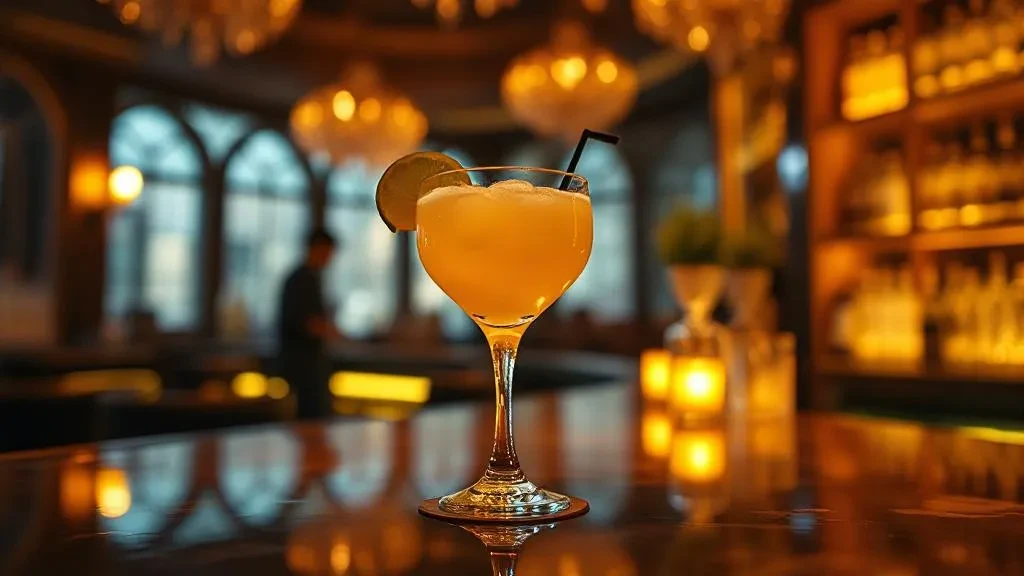
The Salty Sunrise brings together the visual drama of a Tequila Sunrise with the refreshing appeal of a virgin drink, creating something that feels both familiar and surprisingly innovative. This alcohol-free creation layers vibrant orange and cranberry juices with a distinctive salted rim, delivering the complexity and presentation quality that makes guests forget they’re drinking a mocktail.
Unlike many non-alcoholic beverages that try too hard to mimic their boozy counterparts, the Salty Sunrise stands confidently on its own merits. The interplay between the salt’s mineral bite and the fruit juices’ natural sweetness creates a sophisticated flavor profile that appeals to designated drivers, pregnant guests, and anyone seeking a flavorful alternative to standard sodas or juices.
This mocktail has gained popularity at brunches, pool parties, and evening gatherings where hosts want to offer something special for non-drinkers. The gradient color effect makes it as Instagram-worthy as any traditional cocktail, while the flavor combination satisfies both adults and older children who want to participate in the toast.
Salty Sunrise Ingredients
- 4 oz (120 ml) fresh orange juice
- 2 oz (60 ml) cranberry juice
- 1 oz (30 ml) fresh lime juice
- 1 oz (30 ml) simple syrup
- 2 oz (60 ml) sparkling water or ginger ale
- Coarse sea salt for rim
- Orange wheel and maraschino cherry for garnish
- Ice cubes
How to Make a Salty Sunrise
Equipment needed: highball glass, small plate for salt, jigger, bar spoon, citrus juicer
- Pour coarse sea salt onto a small plate. Run a lime wedge around the rim of your highball glass, then dip the rim into the salt to coat evenly.
- Fill the salt-rimmed glass with ice cubes, leaving about an inch from the top.
- In a separate container, combine orange juice, lime juice, and simple syrup. Stir gently to mix.
- Pour the orange juice mixture slowly over the ice, filling the glass about three-quarters full.
- Slowly pour the sparkling water or ginger ale over the back of a bar spoon to create a gentle layer on top.
- Very slowly drizzle the cranberry juice down one side of the glass, allowing it to sink and create the sunrise gradient effect.
- Garnish with an orange wheel and maraschino cherry on a cocktail pick.
- Serve immediately with a straw, instructing guests to stir before drinking to blend the flavors.
Alternative Ingredients and Substitutes
- Orange juice alternatives: Fresh grapefruit juice creates a more tart base, while mango juice adds tropical sweetness. Blood orange juice intensifies both color and flavor complexity.
- Cranberry juice substitutes: Pomegranate juice provides deeper color and more complex tartness. Cherry juice offers similar color with different flavor notes.
- Sparkling water options: Ginger ale adds spicy sweetness and more complexity than plain sparkling water. Lemon-lime soda creates a sweeter, more dessert-like drink.
- Simple syrup alternatives: Agave nectar dissolves easily and adds subtle complexity. Honey syrup provides floral notes but may cloud the drink slightly.
- Salt variations: Pink Himalayan salt offers mineral complexity with visual appeal. Tajín seasoning adds chili heat and lime flavor for a Mexican-inspired twist.
History and Origins
The exact origins of the Salty Sunrise mocktail are unclear, but most accounts trace its development to the rise of craft mocktails in the 2010s. The drink appears to be inspired by the classic Tequila Sunrise, which gained fame in the 1970s when the Eagles wrote a song about it, though the original cocktail dates back to the 1930s.
As restaurant and bar programs began taking non-alcoholic beverages more seriously around 2015, bartenders started creating alcohol-free versions of popular cocktails. The Salty Sunrise emerged as bartenders experimented with maintaining the visual appeal of layered drinks while developing complex flavor profiles that didn’t rely on spirits.
The addition of the salted rim likely draws inspiration from the Margarita tradition, where salt enhances the drink’s flavor complexity. Some beverage industry sources suggest the combination first appeared at upscale brunch spots in California and New York, where the demand for sophisticated non-alcoholic options was growing among health-conscious diners.
Flavor Profile
The first sip delivers a burst of citrus brightness, with the orange juice providing natural sweetness balanced by lime’s sharp acidity. The salted rim adds an immediate mineral contrast that enhances rather than overwhelms the fruit flavors, similar to how salt brings out the sweetness in watermelon or grapefruit.
As you continue drinking, the cranberry juice’s tartness becomes more prominent, adding depth and preventing the drink from becoming cloying. The simple syrup rounds out any harsh edges, while the sparkling water or ginger ale provides effervescence that keeps each sip feeling fresh and lively.
The finish combines all elements into a refreshing conclusion that leaves you wanting another sip. The interplay between sweet, sour, and salty creates the kind of complexity usually found in well-crafted cocktails, proving that alcohol isn’t necessary for sophisticated flavor development.
Serving Suggestions
Serve the Salty Sunrise in a tall highball or hurricane glass to showcase the beautiful gradient effect. The clear glass allows guests to appreciate the visual drama before stirring, making it perfect for special occasions or when you want to impress.
Temperature is crucial for this mocktail. Use plenty of ice and serve immediately after preparation to maintain the layered appearance and ensure the sparkling element retains its fizz. The drink works best when all ingredients are well-chilled beforehand.
This mocktail shines during warm weather gatherings, pool parties, and summer brunches. The refreshing citrus profile makes it ideal for daytime events, while the sophisticated presentation works equally well for evening celebrations. Consider it for baby showers, family gatherings, or any event where you want to offer non-drinkers something special.
Food Pairings
- Eggs Benedict: The citrus acidity cuts through rich hollandaise sauce while complementing the dish’s brunch sophistication
- Fish tacos: The lime juice echoes Mexican flavors while the salt rim enhances seafood’s natural taste
- Grilled shrimp skewers: Citrus and seafood create a natural pairing, with sparkling water cleansing the palate between bites
- Spinach and feta quiche: The drink’s acidity balances the rich cheese and eggs while adding brightness to the meal
- Chicken Caesar salad: Orange juice sweetness contrasts with Caesar’s savory intensity, while lime complements the dressing’s tang
- Coconut shrimp: Tropical flavors harmonize with the drink’s fruit elements, creating a cohesive flavor experience
- Avocado toast with tomatoes: The mocktail’s acidity enhances tomatoes’ natural flavor while cutting through avocado’s richness
- Mediterranean mezze platter: Citrus flavors complement olives, cheese, and cured meats while cleansing the palate between different tastes
Alcohol Content and Nutrition
- ABV: 0% (completely alcohol-free)
- Calories: 110-130 per serving, depending on simple syrup amount and sparkling water choice
- Carbohydrates: 26-30g, primarily from fruit juices and added sweetener
- Sugar: 24-28g, mostly natural fruit sugars with some added from simple syrup
- Protein: Less than 1g
- Fat: 0g
- Sodium: 200-300mg, primarily from the salted rim (varies based on salt amount)
- Vitamin C: Approximately 60-80mg from fresh citrus juices, meeting daily requirements
Popular Variations
- Spicy Sunrise: Add a rim of Tajín seasoning instead of plain salt, and muddle jalapeño slices in the bottom of the glass for heat that builds throughout the drink
- Tropical Sunrise: Substitute pineapple juice for half the orange juice and add coconut water instead of sparkling water for island flavors
- Green Sunrise: Replace cranberry juice with kiwi juice or green tea for an unexpected color gradient and different flavor profile
- Frozen Sunrise: Blend all ingredients with ice for a slushy texture, perfect for pool parties and hot summer days
- Herbal Sunrise: Add fresh mint or basil leaves muddled gently in the glass for an aromatic twist that complements the citrus
Common Mistakes to Avoid
- Pouring cranberry juice too quickly: This destroys the layered sunrise effect. Pour slowly down the side of the glass or over a spoon to maintain separation
- Using bottled citrus juices: Fresh orange and lime juice make an enormous difference in flavor brightness and overall quality compared to processed alternatives
- Skipping the salt rim: The salt isn’t just decoration—it enhances the fruit flavors and adds complexity that distinguishes this from regular fruit punch
- Over-sweetening: Let the natural fruit sugars shine. Start with less simple syrup and adjust to taste rather than making it too sweet initially
- Not serving immediately: The sparkling element goes flat quickly, and the ice melts, diluting flavors and destroying the visual presentation
- Using the wrong glass size: A glass that’s too small won’t showcase the gradient effect, while one that’s too large makes the drink look sparse and unbalanced
Conclusion
The Salty Sunrise proves that mocktails can deliver both visual impact and sophisticated flavor without relying on alcohol. This drink succeeds because it focuses on quality ingredients and thoughtful preparation rather than trying to mask the absence of spirits. The combination of fresh citrus, strategic sweetening, and that distinctive salted rim creates something that feels special and intentional.
Experimenting with different juice combinations or rim seasonings can help you customize this mocktail to your preferences or seasonal ingredients. The basic technique of layering and the salt rim concept provide a framework for creativity while ensuring consistent results.
Remember to enjoy responsibly and stay hydrated, especially during warm weather gatherings where these refreshing beverages are most popular.