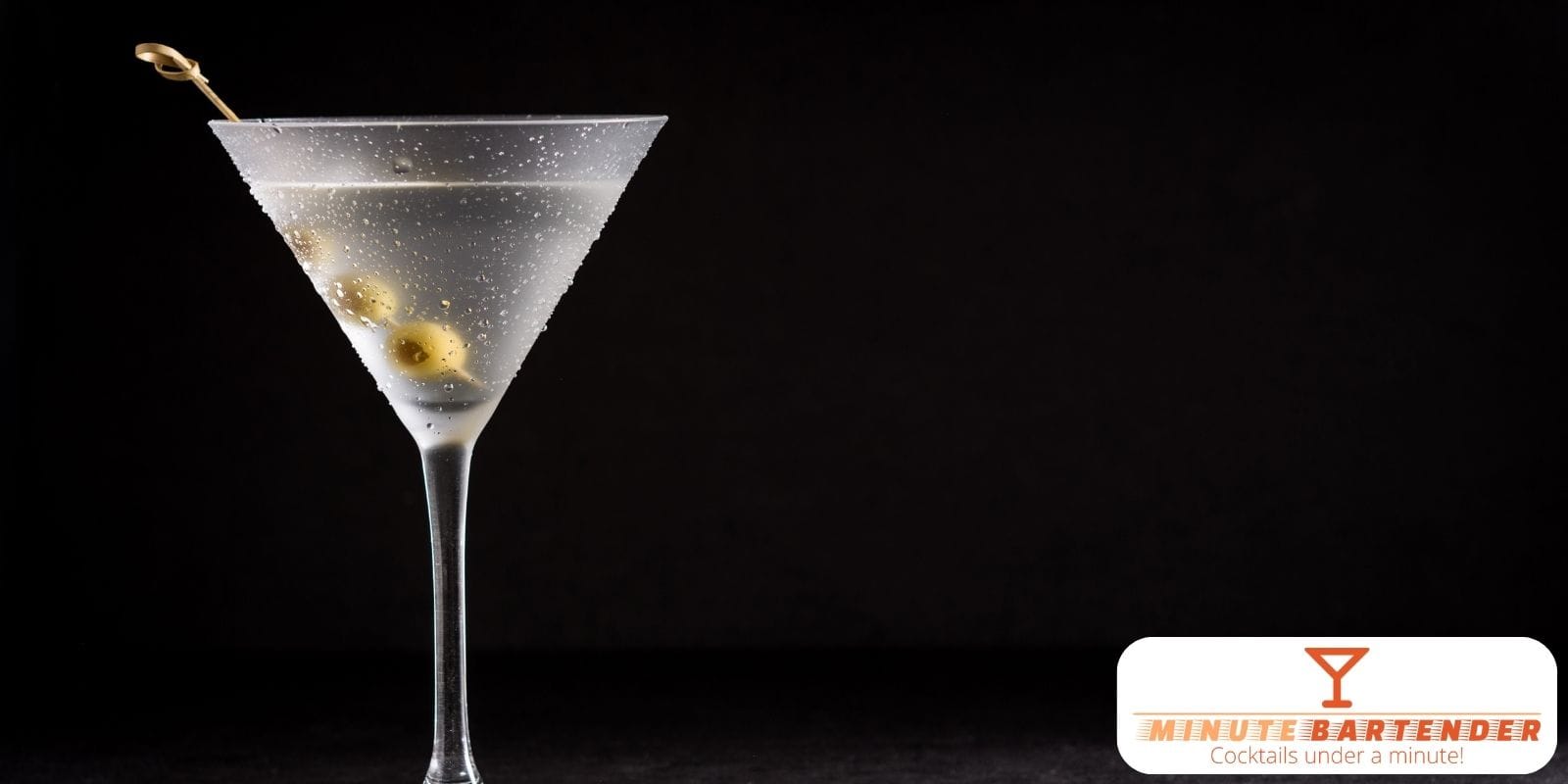











The Dusty Martini stands as one of the most intriguing variations in the martini family, offering a sophisticated twist that challenges traditional boundaries. This unique cocktail combines the botanical complexity of gin with the smoky, aged character of Scotch whisky, creating a drink that’s both familiar and surprisingly complex. The result is a spirit-forward cocktail that delivers layers of flavor while maintaining the elegant simplicity that makes martinis so enduring.
What sets the Dusty Martini apart is its ability to bridge two distinct spirits traditions. The gin provides the juniper-forward backbone that martini lovers expect, while the Scotch adds a whisper of smoke and malt that transforms the entire drinking experience. This isn’t just another flavored martini – it’s a thoughtful composition that respects both ingredients while creating something entirely new.
The drink has found its place among cocktail enthusiasts who appreciate nuanced, contemplative drinks. It’s particularly popular in whisky-focused bars and establishments that cater to drinkers seeking sophisticated alternatives to the standard martini repertoire. The Dusty Martini proves that innovation in classic cocktails doesn’t require exotic ingredients – sometimes the most compelling combinations are hiding in plain sight.
Dusty Martini Ingredients
- 2 oz (60 ml) London Dry gin
- 0.5 oz (15 ml) blended Scotch whisky
- 0.25 oz (7.5 ml) dry vermouth
- 2 dashes orange bitters
- Garnish: lemon twist or olive
How to Make a Dusty Martini
Equipment needed: mixing glass, bar spoon, jigger, fine-mesh strainer, chilled coupe or martini glass
- Fill your mixing glass with ice cubes, ensuring they’re fresh and solid.
- Measure and pour the gin into the mixing glass first.
- Add the Scotch whisky, measuring carefully as the proportion is crucial to the drink’s balance.
- Pour in the dry vermouth, which will bind the two spirits together.
- Add 2 dashes of orange bitters to enhance the complexity.
- Stir the mixture for 20-25 seconds with a bar spoon, maintaining a steady rhythm.
- Taste for dilution – the drink should feel silky but not watery.
- Double strain into your chilled glass using both the mixing glass strainer and a fine-mesh strainer.
- Express the oils from a lemon twist over the surface, then either drop it in or garnish with an olive based on preference.
Alternative Ingredients and Substitutes
- Gin alternatives: Plymouth gin offers a softer, earthier profile that pairs beautifully with Scotch. Old Tom gin adds slight sweetness that can balance stronger peated whiskies.
- Scotch substitutes: Single malt Speyside whiskies like Glenfiddich provide apple and honey notes. Peated Islay whiskies such as Ardbeg create a more dramatically smoky version.
- Vermouth options: Dolin Dry maintains clean mineral notes. Noilly Prat adds herbal complexity. For a richer version, try a blanc vermouth.
- Bitters variations: Angostura bitters provide more spice. Peychaud’s bitters add cherry notes that complement both spirits. Walnut bitters enhance the earthiness.
- Garnish alternatives: Orange twist emphasizes the citrus from the bitters. Cocktail onions create a Gibson-style variation. Rosemary sprig adds an herbal aromatic element.
History and Origins
The Dusty Martini appears to be a relatively modern creation, emerging from the craft cocktail renaissance of the early 2000s when bartenders began experimenting more boldly with classic cocktail templates. Unlike many cocktails with disputed origins, the Dusty Martini doesn’t claim ancient lineage or legendary creators. Instead, it represents the evolutionary approach to cocktail development that characterizes contemporary bartending.
The drink likely emerged from the broader trend of whisky-gin combinations that gained popularity as bartenders explored the compatibility between aged and unaged spirits. The concept of using Scotch whisky as a modifier in gin cocktails has precedents in drinks like the Bobby Burns and various iterations of the Martinez family, suggesting that the Dusty Martini draws from established principles rather than revolutionary innovation.
Most accounts trace its popularization to upscale cocktail bars in major metropolitan areas, particularly those with strong whisky programs. The drink gained traction among bartenders who appreciated its technical simplicity and flavor complexity, making it a favorite for demonstrating how small adjustments can dramatically alter a familiar cocktail’s character.
Flavor Profile
The Dusty Martini opens with the familiar juniper brightness of gin, immediately recognizable yet somehow different. The initial sip reveals how the Scotch doesn’t overpower but instead weaves through the gin’s botanical framework, adding depth and warmth. The interaction between these two spirits creates a complexity that unfolds gradually, with each component revealing different facets as the drink develops on the palate.
Mid-palate, the vermouth’s herbal qualities become more apparent, serving as a bridge between the gin’s crispness and the whisky’s mellowed grain character. The orange bitters contribute a subtle citrus backbone that prevents the drink from becoming too heavy while adding aromatic complexity that complements both spirits. The overall impression is one of sophisticated restraint – powerful flavors held in careful balance.
The finish carries hints of oak and malt from the Scotch, lingering just long enough to remind you this isn’t a standard martini. The combination leaves a pleasant dryness that invites the next sip, with the Scotch’s influence becoming more apparent as your palate adjusts to the unique combination. The drink feels substantial without being overwhelming, offering the contemplative quality that makes martinis so enduring.
Serving Suggestions
The Dusty Martini demands proper glassware to showcase its sophisticated character. A chilled coupe glass provides the ideal vessel, with its wide bowl allowing the aromatics to concentrate while the elegant stem maintains temperature. Alternatively, a classic martini glass works well, though the coupe’s more practical design prevents spills while maintaining visual appeal.
Temperature control proves crucial for this cocktail. The glass should be thoroughly chilled, either by refrigeration or filling with ice water while you prepare the drink. The cocktail itself benefits from careful attention to dilution during stirring – enough to soften the alcohol heat but not so much that it waters down the complex interplay between gin and Scotch.
The Dusty Martini shines as an aperitif, particularly during cooler months when its warming qualities feel most appropriate. It works excellently for intimate gatherings, sophisticated dinner parties, or quiet contemplative drinking. The drink’s complexity makes it ideal for slow sipping rather than casual consumption, positioning it as a cocktail for conversation and reflection rather than celebration or socializing.
Food Pairings
- Smoked salmon canapés: The drink’s smoky undertones complement the fish’s richness while the gin’s botanicals cut through the fat
- Aged cheddar and oatcakes: The Scotch whisky naturally pairs with sharp cheese, while the gin adds brightness to prevent palate fatigue
- Duck liver pâté: The cocktail’s complexity matches the richness, with the orange bitters providing necessary acidity
- Oysters Rockefeller: The mineral qualities in both gin and Scotch enhance the briny shellfish while standing up to the rich preparation
- Dark chocolate truffles: The bitter elements in the cocktail complement high-cacao chocolate, while the Scotch’s sweetness balances intensity
- Grilled lamb chops: The drink’s herbaceous qualities match lamb’s natural flavors, while the Scotch complements the meat’s richness
- Roasted nuts with sea salt: Simple but effective pairing that allows the cocktail’s complexity to shine while providing textural contrast
- Beef tartare: The drink’s boldness matches the raw preparation, while the citrus elements brighten the rich meat
Alcohol Content and Nutrition
- ABV: 28-32% (approximately 1.8 standard drinks)
- Calories: 180-200 per serving
- Carbohydrates: 1-2 grams (primarily from vermouth)
- Sugar: Less than 1 gram
- Protein: 0 grams
- Fat: 0 grams
- Sodium: Minimal, unless garnished with olives
Popular Variations
- Peated Dusty Martini: Uses Islay Scotch like Laphroaig or Ardbeg for pronounced smoke and medicinal notes that dramatically alter the drink’s character
- Highland Dusty: Employs Highland single malt Scotch for more fruit-forward flavors with honey and apple notes
- Dirty Dusty: Adds olive brine for salinity, creating an interesting contrast with the Scotch’s sweetness
- Vesper Dusty: Incorporates vodka alongside the gin and Scotch, creating a more neutral base that highlights the whisky’s character
- Smoky Dusty: Rinses the glass with peated Scotch before adding the cocktail, intensifying the smoke flavor without overwhelming the gin
Common Mistakes to Avoid
- Using cheap blended Scotch: Low-quality whisky will add harsh flavors rather than complexity. Choose a decent blended Scotch like Famous Grouse or Monkey Shoulder
- Overdoing the Scotch proportion: More isn’t better here. The whisky should complement, not dominate the gin
- Shaking instead of stirring: This cocktail requires the gentle integration that only stirring provides. Shaking will over-dilute and create unwanted texture
- Skipping the orange bitters: They’re essential for tying the flavor components together and adding necessary complexity
- Warm glassware: A room-temperature glass will immediately warm the cocktail and mute its delicate flavors
- Over-stirring: Twenty-five seconds maximum – any longer and you’ll dilute the careful balance between the two spirits
Conclusion
The Dusty Martini represents thoughtful cocktail evolution at its finest, proving that innovation doesn’t require abandoning established principles. This drink succeeds because it respects both the martini template and the individual characteristics of its component spirits, creating something greater than the sum of its parts. The careful balance between gin’s botanical brightness and Scotch’s mellow complexity offers experienced drinkers a new perspective on familiar flavors.
For bartenders and home enthusiasts alike, the Dusty Martini provides an excellent opportunity to explore how different spirits can work together when properly proportioned. The drink rewards experimentation with different Scotch expressions while maintaining enough structure to remain recognizably martini-adjacent. As with all spirits-heavy cocktails, enjoy responsibly and savor the complexity that makes this drink special.