
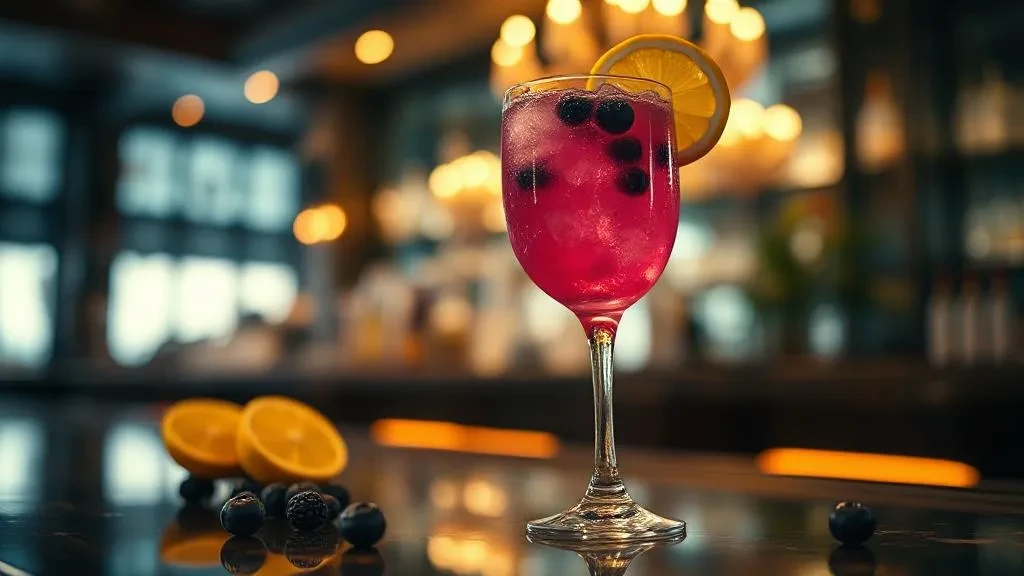
The Sparkling Blueberry Lemonade mocktail captures the essence of summer in a glass, combining the tartness of fresh lemon juice with the sweet, antioxidant-rich burst of blueberries. Unlike traditional lemonades that can feel one-dimensional, this sparkling version adds depth through muddled berries and effervescence that dances on your palate with every sip.
This vibrant purple-hued beverage offers complexity typically found in crafted cocktails while remaining completely alcohol-free. The natural sweetness of blueberries balances the citrus acidity, while sparkling water provides a refreshing finish that cleanses the palate. The drink represents the evolution of non-alcoholic beverages from simple fruit punches to sophisticated mocktails that deserve a place at any gathering.
Home bartenders and party hosts have embraced this mocktail because it delivers visual impact alongside exceptional flavor. The deep purple color created by muddled blueberries makes it Instagram-worthy, while the combination of fresh ingredients ensures it tastes as good as it looks.
Sparkling Blueberry Lemonade Ingredients
- 1/2 cup (4 oz / 120 ml) fresh blueberries
- 2 oz (60 ml) fresh lemon juice (about 1 large lemon)
- 1 oz (30 ml) simple syrup
- 6 oz (180 ml) sparkling water or club soda
- Ice cubes
- Fresh blueberries for garnish
- Lemon wheel for garnish
- Fresh mint sprig for garnish
How to Make a Sparkling Blueberry Lemonade
Equipment needed: muddler, cocktail shaker (or mason jar), fine-mesh strainer, jigger, tall glass (12-14 oz).
- Add fresh blueberries to the bottom of your cocktail shaker or mason jar.
- Muddle the blueberries thoroughly for 30-45 seconds until they’re completely crushed and release their juices.
- Add fresh lemon juice and simple syrup to the muddled blueberries.
- Fill the shaker with ice and shake vigorously for 10-15 seconds to combine all ingredients.
- Double strain the mixture through a fine-mesh strainer into your serving glass filled with fresh ice, removing all pulp and seeds.
- Top with sparkling water, leaving about an inch of space at the top.
- Stir gently once to incorporate the sparkling water without losing carbonation.
- Garnish with fresh blueberries, a lemon wheel, and a sprig of mint.
Alternative Ingredients and Substitutes
- Blueberry alternatives: Blackberries create a deeper, more tart flavor. Raspberries add floral notes. Frozen berries work when fresh aren’t available but may dilute slightly.
- Lemon juice substitutes: Lime juice provides a sharper, more tropical taste. Meyer lemon juice offers a sweeter, more delicate citrus profile.
- Sweetener options: Honey creates a more complex sweetness but mix with warm water first. Agave nectar dissolves easily and adds subtle caramel notes. Maple syrup introduces earthy undertones.
- Sparkling water variations: Lemon-flavored sparkling water amplifies citrus notes. Ginger sparkling water adds spicy complexity. Tonic water creates a more bitter, sophisticated profile.
- Garnish alternatives: Candied lemon peel adds elegance. Lavender sprigs introduce floral aromatics. Rosemary provides an herbal, savory accent.
History and Origins
The sparkling blueberry lemonade mocktail emerged from the craft cocktail movement of the early 2000s, when bartenders began creating sophisticated non-alcoholic options to match their alcoholic offerings. Unlike traditional lemonades with colonial American roots, this modern creation reflects contemporary tastes for complex, layered flavors and Instagram-worthy presentations.
The combination draws inspiration from several sources: the prohibition-era tradition of fancy fruit drinks, the farm-to-table movement emphasizing fresh, local ingredients, and the growing wellness culture demanding flavorful alternatives to alcoholic beverages. Blueberries, native to North America, have been used in beverages for centuries, but their pairing with sparkling lemonade represents a distinctly modern approach.
Many credit the rise of mocktail culture in metropolitan areas like New York, Los Angeles, and Portland for popularizing such sophisticated non-alcoholic drinks. High-end restaurants and craft cocktail bars began featuring elaborate mocktails on their menus around 2010, recognizing that designated drivers, pregnant women, and health-conscious diners deserved more than club soda with lime.
Flavor Profile
The first sip delivers a bright burst of citrus that immediately awakens your taste buds, followed by the sweet-tart complexity of muddled blueberries. The lemon juice provides sharp acidity that cuts through any lingering sweetness, while the blueberries contribute fruity depth and subtle earthy undertones that distinguish this drink from simple lemonade.
Mid-palate, the sparkling water’s effervescence lifts all the flavors, creating a light, refreshing sensation that prevents the drink from feeling heavy or cloying. The carbonation also helps distribute the blueberry essence throughout each sip, ensuring consistent flavor delivery. The natural tannins from blueberry skins add a slight astringency that provides structure and prevents the sweetness from overwhelming the citrus.
The finish is clean and crisp, with lingering notes of fresh berries and a slight tartness that encourages another sip. The sparkling water ensures the flavors don’t coat your palate, making each subsequent sip as vibrant as the first. Temperature plays a crucial role – when properly chilled, the drink maintains its refreshing quality throughout consumption.
Serving Suggestions
Serve this mocktail in a tall collins glass or highball glass that showcases the beautiful purple color. The glass should be well-chilled – either stored in the freezer for 10 minutes or filled with ice water while you prepare the drink. The wide rim allows the aromatic compounds from the blueberries and mint garnish to reach your nose with each sip.
Temperature control is essential for optimal flavor. All ingredients should be cold before mixing, and the finished drink must be served immediately to preserve carbonation. The ice not only chills the beverage but also provides slight dilution that mellows the tartness and sweetness as it melts.
This mocktail shines during warm weather months from late spring through early fall when blueberries are at their peak. It’s ideal for brunch gatherings, afternoon garden parties, and poolside entertaining. The drink also works beautifully for baby showers, children’s parties, and any occasion where sophisticated non-alcoholic options are desired.
Food Pairings
- Grilled salmon: The citrus acidity cuts through rich fish oils while blueberry sweetness complements the smoky char
- Goat cheese and herb crostini: Tangy cheese balances the fruit sweetness, while herbs echo the fresh garnish elements
- Lemon blueberry scones: Creates a harmonious flavor echo that amplifies both the food and drink components
- Spinach and strawberry salad: The tartness bridges fruit flavors while cleansing the palate between bites
- Grilled chicken with herbs: Light protein allows the mocktail’s complexity to shine without flavor competition
- Dark chocolate tart: The berries’ natural affinity for chocolate creates an elegant dessert pairing
- Caprese skewers: Fresh basil and tomatoes complement the drink’s garden-fresh quality
- Coconut macaroons: The tropical sweetness plays beautifully against the tart berry-citrus combination
Alcohol Content and Nutrition
- ABV: 0% – completely alcohol-free
- Calories: 80-100 per serving, depending on simple syrup quantity
- Carbohydrates: 22-25 grams, primarily from natural fruit sugars and added sweetener
- Sugar: 20-23 grams from blueberries, lemon, and simple syrup
- Protein: Less than 1 gram
- Fat: 0 grams
- Fiber: 2-3 grams from blueberries
- Vitamin C: Approximately 25-30% daily value from fresh lemon juice and blueberries
- Antioxidants: High levels of anthocyanins from blueberries, which provide the purple color
Popular Variations
- Frozen Sparkling Blueberry Lemonade: Blend all ingredients with ice for a slush-like consistency, perfect for hot summer days
- Herbal Blueberry Lemonade: Add muddled basil, thyme, or rosemary for earthy complexity and aromatic appeal
- Spicy Blueberry Lemonade: Include thin jalapeño slices or a pinch of cayenne for heat that contrasts the fruit sweetness
- Lavender Blueberry Lemonade: Infuse simple syrup with dried lavender for floral sophistication and aromatherapy benefits
- Ginger Blueberry Lemonade: Add fresh ginger juice or ginger beer instead of plain sparkling water for warming spice
Common Mistakes to Avoid
- Under-muddling the blueberries: Insufficient muddling results in weak flavor and poor color extraction. Crush berries completely until they release all their juices
- Using bottled lemon juice: Fresh lemon juice provides bright acidity and clean flavor. Bottled versions taste flat and artificial, ruining the drink’s fresh character
- Adding sparkling water too early: Carbonation dissipates quickly when agitated. Always add sparkling water last and stir minimally to preserve effervescence
- Over-sweetening: The natural sugars in blueberries provide significant sweetness. Start with less simple syrup and adjust to taste rather than over-sweetening initially
- Skipping the double strain: Blueberry pulp and seeds create an unpleasant texture. Fine straining ensures smooth, professional-quality results
- Using warm ingredients: All components must be cold for proper flavor balance and immediate refreshment. Warm ingredients melt ice too quickly and dilute flavors
Conclusion
The sparkling blueberry lemonade mocktail proves that alcohol-free drinks can deliver the complexity and satisfaction typically associated with crafted cocktails. Its combination of fresh fruit, bright citrus, and effervescent sparkle creates a beverage that’s both refreshing and sophisticated, suitable for any gathering where quality matters more than alcohol content.
Experimenting with different berry combinations, herb infusions, or sparkling water flavors can personalize this base recipe to match seasonal ingredients or individual preferences.
Remember to enjoy responsibly and stay hydrated, especially during warm weather entertaining.