
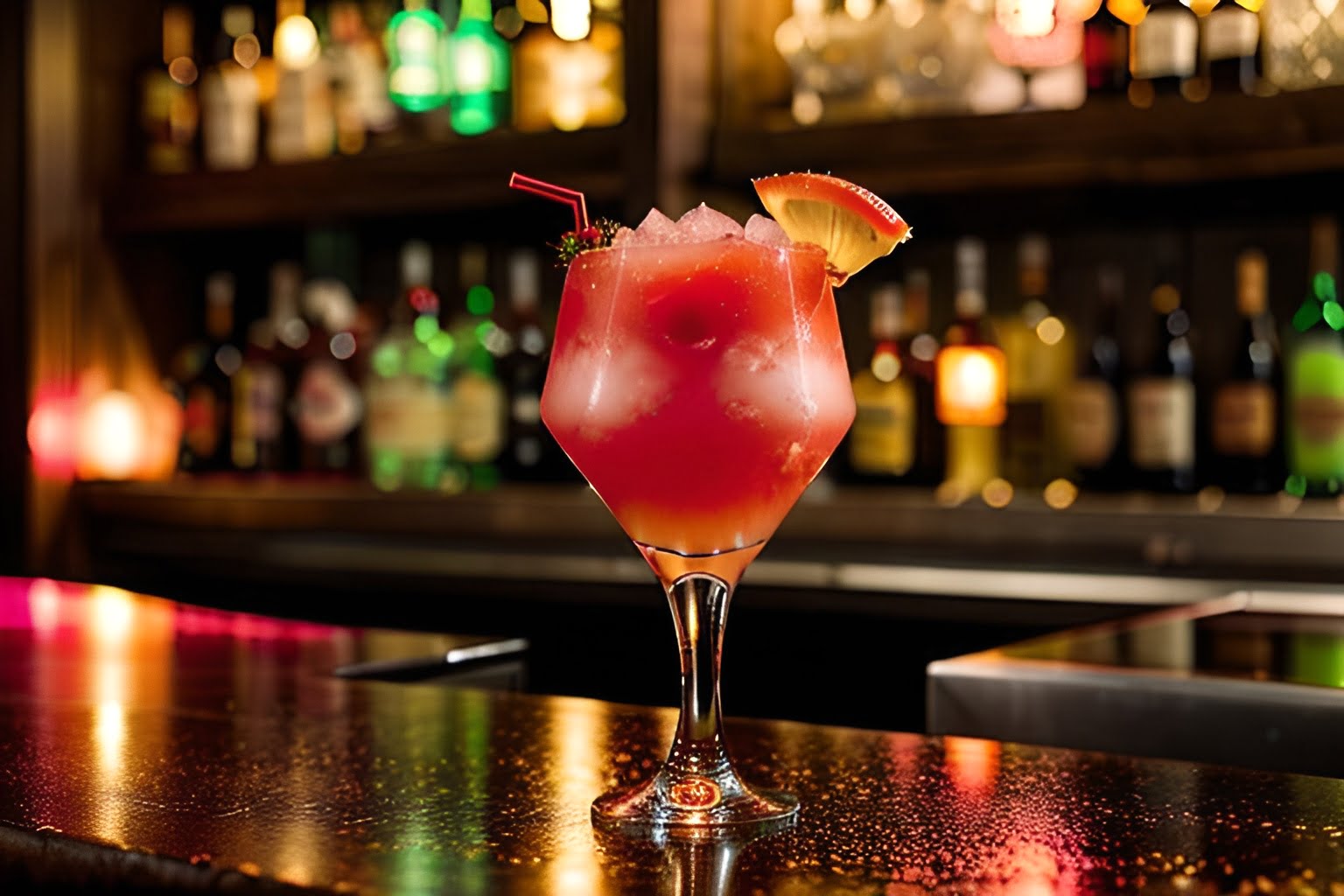
The Jungle Bird stands as one of tiki culture’s most balanced and sophisticated cocktails, seamlessly blending the tropical sweetness of pineapple with the bitter complexity of Campari. Created in 1978 at the Aviary Bar in Kuala Lumpur’s Hilton hotel, this Malaysian creation broke the mold of traditional tiki drinks by incorporating Italian bitter liqueur into the typically rum-forward tropical cocktail landscape.
What sets the Jungle Bird apart is its remarkable flavor harmony – the interplay between dark rum’s molasses richness, pineapple juice’s tropical brightness, and Campari’s herbal bitterness creates a drink that’s simultaneously exotic and refined. Unlike many tiki cocktails that rely on multiple rums and syrups, the Jungle Bird achieves complexity through contrast, making it both approachable for newcomers and compelling for seasoned cocktail enthusiasts.
The cocktail experienced a renaissance during the craft cocktail revival of the 2000s, when bartenders rediscovered forgotten tiki recipes and appreciated the Jungle Bird’s sophisticated balance. Today, it represents the evolution of tiki culture beyond its mid-century American origins, proving that tropical cocktails can be both fun and serious.
Jungle Bird Ingredients
- 1.5 oz (45 ml) dark rum (preferably blackstrap or aged)
- 0.75 oz (22 ml) Campari
- 1.5 oz (45 ml) fresh pineapple juice
- 0.5 oz (15 ml) fresh lime juice
- 0.5 oz (15 ml) demerara simple syrup
- Pineapple wedge and maraschino cherry for garnish
How to Make a Jungle Bird
Equipment needed: cocktail shaker, jigger, fine-mesh strainer, bar spoon
- Add dark rum, Campari, fresh pineapple juice, fresh lime juice, and demerara simple syrup to a cocktail shaker filled with ice.
- Shake vigorously for 10-15 seconds until the shaker becomes frosty and well-chilled.
- Double strain the mixture through a fine-mesh strainer into a rocks glass filled with fresh ice or one large ice cube.
- Express the oils from a pineapple wedge over the drink’s surface by gently squeezing it above the glass.
- Garnish with the pineapple wedge and a maraschino cherry, either skewered together or placed separately on the rim.
- Serve immediately with a cocktail napkin and a short straw if desired.
Alternative Ingredients and Substitutes
- Dark rum alternatives: Aged Jamaican rum like Appleton Estate adds funk and complexity. Blackstrap rum like Cruzan intensifies molasses flavors. Gold rum works but reduces the drink’s depth.
- Campari substitutes: Aperol creates a lighter, more orange-forward version with less bitterness. Gran Classico provides similar bitterness with more vanilla notes. Contratto Bitter offers a more herbal profile.
- Pineapple juice options: Canned pineapple juice (unsweetened) works well and provides consistency. Fresh-pressed juice from ripe pineapple offers the best flavor but varies in sweetness.
- Sweetener variations: Simple syrup works but lacks the molasses complexity of demerara. Agave nectar adds floral notes. Orgeat syrup introduces almond flavors for a different tropical direction.
- Lime juice alternatives: Fresh lemon juice provides brightness but changes the tropical character. Bottled lime juice significantly diminishes the cocktail’s quality and should be avoided.
The original Jungle Bird was created in 1978 by Jeffrey Ong at the Aviary Bar, located on the 33rd floor of the Kuala Lumpur Hilton. The cocktail was designed as the hotel’s signature drink, named after the bar’s tropical bird theme and the hornbill that served as Malaysia’s national bird. Ong’s creation was groundbreaking for its incorporation of Campari, an Italian bitter liqueur rarely seen in tropical cocktails at the time.
The drink remained relatively unknown outside of Malaysia for nearly three decades until Giuseppe Gonzalez encountered it during tiki culture’s revival in the mid-2000s. Gonzalez, who was working at New York’s Painkiller bar, recognized the cocktail’s potential and began serving it to American audiences. The Jungle Bird’s sophisticated balance appealed to craft cocktail enthusiasts who were exploring tiki culture beyond its kitschy reputation.
The cocktail gained further prominence when it appeared in Jeff “Beachbum” Berry’s influential tiki recipe collections and was featured at prominent bars like Smuggler’s Cove in San Francisco. Unlike many tiki drinks that require multiple rums and obscure ingredients, the Jungle Bird’s accessibility helped it spread rapidly through the cocktail community. The drink represents a bridge between traditional tiki culture and modern craft cocktailing, proving that tropical drinks could be both playful and serious.
Flavor Profile
The Jungle Bird opens with an immediate contrast that defines its character – the sweet, tropical burst of pineapple juice meets the sharp, herbal bitterness of Campari in the first sip. The dark rum provides a rich, molasses-heavy foundation that anchors these opposing forces, while the lime juice adds crucial acidity that prevents the drink from becoming cloying.
As the cocktail develops on the palate, the Campari’s complexity emerges through layers of orange peel, cherry, and botanical herbs that complement rather than fight the tropical elements. The demerara syrup contributes not just sweetness but also caramel and brown sugar notes that enhance the rum’s natural richness. The finish is surprisingly long and sophisticated, with the bitter elements lingering pleasantly while the fruit flavors fade, leaving behind the rum’s warm, spiced character.
The drink’s genius lies in its balance – neither the tropical elements nor the bitter components dominate. Instead, they create a conversation that evolves with each sip, making the Jungle Bird both immediately appealing and rewarding for contemplative drinking. The cocktail manages to be refreshing and complex simultaneously, a rare achievement in the cocktail world.
Serving Suggestions
The Jungle Bird is traditionally served in a rocks glass over fresh ice, allowing the drink to dilute slightly as you sip and the flavors to evolve. A single large ice cube works particularly well, melting slowly and maintaining the cocktail’s strength longer than smaller cubes. The glass should be chilled beforehand to keep the drink at optimal temperature.
The garnish plays both visual and aromatic roles – the pineapple wedge provides a tropical fragrance that enhances the drinking experience, while the maraschino cherry adds a pop of color that makes the cocktail Instagram-worthy. Some bartenders prefer to express the pineapple oils over the drink before garnishing, intensifying the tropical aroma.
The Jungle Bird shines as a summer cocktail, perfect for poolside gatherings, tiki parties, or any occasion that calls for tropical sophistication. However, its complexity makes it suitable year-round, particularly as an aperitif before dinner or as a conversation starter at cocktail parties. The drink works equally well for intimate gatherings and larger celebrations, though its preparation requirements make it better suited for smaller groups than high-volume events.
Food Pairings
- Grilled pineapple and ham skewers: The caramelized fruit echoes the cocktail’s tropical elements while the ham’s saltiness balances the sweetness.
- Coconut shrimp with sweet chili sauce: The crispy texture contrasts beautifully with the smooth cocktail, while coconut amplifies the tropical theme.
- Jerk chicken wings: The spicy, aromatic seasoning complements the drink’s complexity without overwhelming the delicate pineapple notes.
- Tuna poke bowl: The fresh, clean flavors allow the cocktail’s nuances to shine while the sesame and soy add umami depth.
- Dark chocolate truffles: The bitter chocolate harmonizes with the Campari while the sweetness plays off the pineapple juice.
- Aged manchego cheese with quince paste: The cheese’s nuttiness complements the rum while the quince echoes the cocktail’s fruit-forward character.
- Spicy tuna rolls: The wasabi heat and rich fish provide a sophisticated contrast to the drink’s tropical sweetness.
- Prosciutto-wrapped melon: The salty-sweet combination mirrors the cocktail’s balanced profile while enhancing its Italian elements through the Campari connection.
Alcohol Content and Nutrition
- ABV: 16-18% (approximately 1.2 standard drinks)
- Calories: 180-210 per serving, primarily from rum and fruit juices
- Carbohydrates: 15-18 grams, mainly from pineapple juice and simple syrup
- Sugar: 12-15 grams from natural fruit sugars and added sweetener
- Protein: Less than 1 gram
- Fat: 0 grams
- Sodium: 5-10 mg, minimal unless using canned pineapple juice
The moderate alcohol content makes the Jungle Bird suitable for extended sipping sessions, though the fruity flavors can mask the rum’s strength. The calorie content is moderate for a tropical cocktail, with most coming from the alcohol and natural fruit sugars rather than heavy cream or multiple sweeteners found in other tiki drinks.
Popular Variations
- Jungle Bird Punch: Scaled up for parties with champagne added for effervescence and served in a large bowl with ice and tropical fruit.
- Spiced Jungle Bird: Incorporates spiced rum instead of dark rum and adds a pinch of cayenne pepper for heat that complements the Campari’s bitterness.
- Jungle Bird Sour: Adds egg white for frothy texture and increases the lime juice for more tartness, creating a more cocktail-forward version.
- Smoky Jungle Bird: Uses mezcal in place of half the rum, adding agave and smoke flavors that create an unexpected but harmonious twist.
- Winter Jungle Bird: Substitutes cranberry juice for half the pineapple juice and adds a cinnamon stick garnish for seasonal appeal.
Common Mistakes to Avoid
- Using bottled pineapple juice with added sugar: Canned unsweetened pineapple juice provides better flavor control. Sweet pineapple juice throws off the cocktail’s careful balance.
- Skipping the double strain: Pineapple juice can be pulpy and the drink benefits from a smooth texture. Always strain through a fine mesh to remove particles.
- Over-shaking or under-shaking: Ten to fifteen seconds of vigorous shaking is optimal. Less won’t properly chill and dilute; more can make the drink watery.
- Using the wrong rum type: Light rum lacks the molasses complexity needed to balance the Campari. Spiced rum can overwhelm the other flavors unless specifically desired.
- Measuring Campari incorrectly: The 0.75 oz measurement is crucial – too little and you lose the drink’s signature character, too much and it becomes undrinkably bitter.
- Serving in the wrong glassware: Hurricane glasses or tall collins glasses change the drinking experience and aromatics. A rocks glass concentrates the flavors properly.
Conclusion
The Jungle Bird represents tiki culture’s sophisticated evolution, proving that tropical cocktails can achieve remarkable complexity through thoughtful ingredient selection rather than lengthy ingredient lists. Its success lies in the unexpected harmony between Italian bitter liqueur and tropical fruit flavors, creating a drink that challenges preconceptions about both tiki and bitter cocktails.
The cocktail’s journey from a hotel signature drink in Malaysia to a modern classic demonstrates how great recipes transcend their origins when they possess genuine balance and innovation. Experimenting with different rums or adjusting the Campari ratio can personalize the drink while maintaining its essential character. Remember to enjoy responsibly and savor the complex interplay of flavors that makes this cocktail special.