
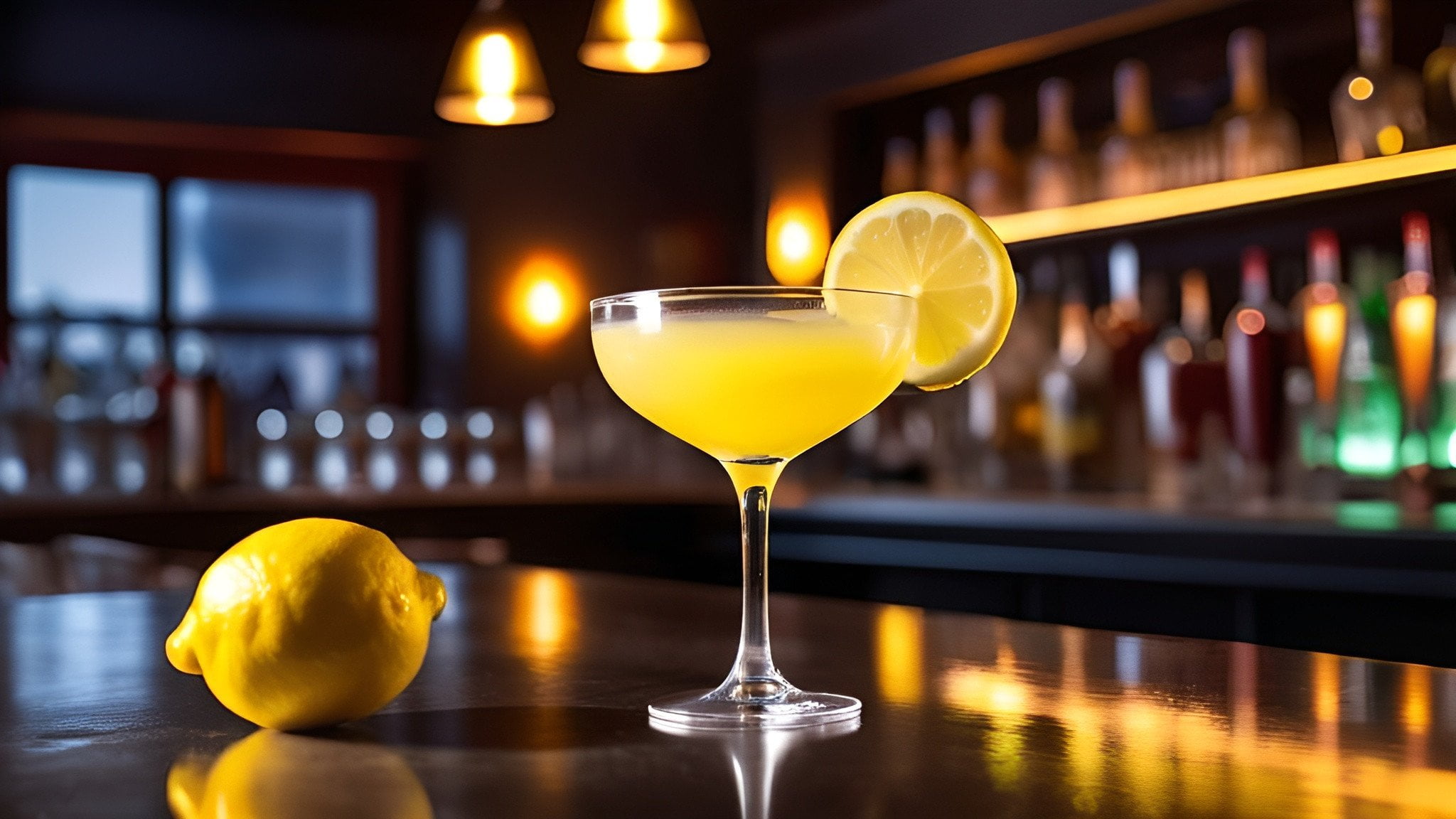
The Lemon Drop transforms the humble lemon into liquid gold, delivering a sophisticated punch that balances tart citrus with smooth vodka sweetness. This cocktail epitomizes the art of simplicity done right – three core ingredients that create something far greater than the sum of their parts. The sugared rim adds textural contrast while amplifying the drink’s inherent sweetness, making each sip a study in carefully orchestrated flavor layers.
Born from the martini family tree, the Lemon Drop occupies a special place in modern cocktail culture as the drink that proved citrus-forward cocktails could be both approachable and complex. Unlike its cosmopolitan cousin or the more austere classic martini, this cocktail strikes an accessible middle ground that appeals to both cocktail newcomers and seasoned drinkers seeking something bright and invigorating.
The drink’s enduring popularity stems from its ability to deliver restaurant-quality sophistication with home bar simplicity. Each element serves a precise purpose: vodka provides the clean alcoholic backbone, fresh lemon juice contributes essential acidity and brightness, while simple syrup rounds out any harsh edges and creates harmony between the competing flavors.
Lemon Drop Ingredients
- 2 oz (60 ml) vodka
- 1 oz (30 ml) fresh lemon juice
- 0.75 oz (22 ml) simple syrup
- Sugar for rim
- Lemon twist or wheel for garnish
How to Make a Lemon Drop
Equipment needed: Cocktail shaker, jigger, fine-mesh strainer, martini glass, small plate for sugar
- Prepare your martini glass by running a lemon wedge around the rim, then dipping it into sugar spread on a small plate. Set aside.
- Add vodka, fresh lemon juice, and simple syrup to your cocktail shaker filled with ice.
- Shake vigorously for 12-15 seconds until the shaker becomes frosty and you can hear the ice breaking up.
- Double strain through a fine-mesh strainer into your prepared martini glass to remove any ice shards or pulp.
- Express the oils from a lemon twist over the drink’s surface by gently squeezing the peel, then either drop it in or place it on the rim.
- Serve immediately while ice-cold.
Alternative Ingredients and Substitutes
- Vodka alternatives: Premium vodka creates the smoothest result, but any clean, neutral vodka works well. Citrus-infused vodka adds extra lemon complexity.
- Sweetener options: Agave nectar provides subtle complexity instead of simple syrup. Honey syrup adds floral notes but may overpower delicate lemon flavors.
- Citrus variations: Meyer lemon juice offers sweeter, more aromatic flavor. A splash of lime juice alongside lemon creates additional tartness.
- Rim alternatives: Lemon zest mixed with sugar intensifies citrus aromatics. Vanilla sugar adds subtle warmth and depth.
History and Origins
The Lemon Drop’s precise origins remain somewhat murky, with multiple bars and bartenders claiming credit for this modern classic. Most accounts trace the drink back to the 1970s San Francisco bar scene, where it emerged as part of the era’s trend toward sweeter, more approachable cocktails that departed from traditional whiskey and gin-based drinks.
Norman Jay Hobday, bartender at Henry Africa’s in San Francisco, is frequently credited with creating the drink around 1970, though some sources dispute this timeline. The cocktail gained significant momentum during the 1980s as vodka’s popularity soared and bars began emphasizing fresh ingredients over artificial mixers.
The drink’s name draws obvious inspiration from the popular lemon drop candy, reflecting the cocktail’s sweet-tart flavor profile that mimics the confection’s appeal. Unlike many cocktails with disputed origins, the Lemon Drop’s relatively recent creation means fewer competing historical claims, though the exact details of its invention remain debated among cocktail historians.
By the 1990s and early 2000s, the Lemon Drop had become a staple at upscale bars and restaurants across America, representing the bridge between classic cocktail culture and modern preferences for fruit-forward, visually appealing drinks.
Flavor Profile
The first sip of a well-made Lemon Drop delivers an immediate burst of bright acidity that awakens the palate without overwhelming it. The vodka provides a clean, neutral backdrop that allows the lemon to shine while contributing essential alcoholic warmth and body. The sugar rim plays a crucial role here, providing instant sweetness that balances the tart lemon juice before it even reaches your tongue.
As the drink develops on the palate, the simple syrup’s role becomes apparent, smoothing out the lemon’s sharp edges while maintaining the fruit’s essential character. The overall effect resembles biting into the perfect lemon – bright and acidic but with enough sweetness to keep you coming back for more. The finish is clean and refreshing, with lingering citrus notes that invite the next sip.
Temperature plays a vital role in the flavor experience. Served properly cold, the drink maintains crisp definition between its components. As it warms, the flavors meld together more completely, though some of the bright, snappy character diminishes.
Serving Suggestions
The classic martini glass remains the gold standard for Lemon Drop presentation, its wide rim accommodating the sugar coating while the stemmed design keeps hands from warming the drink. The broad surface area also concentrates the lemon aromatics, enhancing the sensory experience with each sip.
Coupe glasses offer an elegant alternative, providing similar aromatic concentration with a more vintage aesthetic. For casual settings, chilled rocks glasses work well, especially when serving larger portions or when martini glasses aren’t available.
Temperature control is essential – serve immediately after shaking while the drink remains ice-cold. The sugar rim should be applied just before serving to maintain its texture and prevent dissolving. Present the drink with confidence, as its bright yellow color and crystalline rim create immediate visual appeal.
The Lemon Drop shines as a spring and summer cocktail, though its bright character provides welcome relief during darker winter months. It works exceptionally well as a pre-dinner aperitif or as a sophisticated option for brunches and afternoon gatherings.
Food Pairings
- Oysters on the half shell: The drink’s acidity complements briny shellfish while cleansing the palate between bites
- Goat cheese crostini: Creamy, tangy cheese harmonizes with the cocktail’s tart-sweet profile
- Grilled salmon: Lemon naturally pairs with salmon, while the cocktail’s brightness cuts through rich fish oils
- Caesar salad: Both feature prominent lemon elements that reinforce rather than compete with each other
- Lemon bars or lemon tart: A natural dessert pairing that amplifies the citrus theme
- Prosciutto-wrapped asparagus: The drink’s acidity balances the salt-cured meat’s richness
- Herb-crusted chicken: Light proteins allow the cocktail’s flavors to shine without overwhelming competition
- Fresh berry tarts: The drink’s tartness complements sweet-tart berries beautifully
Alcohol Content and Nutrition
- ABV: 20-24% (approximately 1.6 standard drinks per serving)
- Calories: 180-220 per serving, primarily from alcohol and simple syrup
- Carbohydrates: 8-12g, mostly from added sugar in syrup and rim
- Sugar content: 10-15g total, including rim sugar and simple syrup
- Protein: 0g
- Fat: 0g
Popular Variations
- Vodka Sour: Omits the sugar rim and uses less simple syrup for a drier, more tart result
- Lemon Drop Martini: Served straight up without the sugar rim, emphasizing the drink’s sophisticated martini heritage
- Frozen Lemon Drop: Blended with ice for a slushy texture, popular at poolside bars and summer venues
- Pink Lemon Drop: Adds a splash of cranberry juice for color and subtle tartness
- Limoncello Drop: Substitutes or supplements simple syrup with Italian limoncello for added complexity
Common Mistakes to Avoid
- Using bottled lemon juice: Fresh lemon juice is non-negotiable. Bottled versions taste flat and artificial, completely undermining the drink’s bright character.
- Over-sweetening: Too much simple syrup masks the lemon’s natural tartness. Start with less and adjust to taste rather than overwhelming the citrus.
- Inadequate shaking: Brief or gentle shaking fails to properly chill and integrate ingredients. Shake vigorously for at least 12 seconds.
- Wrong glass temperature: Room temperature glasses quickly warm the cocktail. Chill glasses beforehand or rinse with ice water before use.
- Sloppy sugar rim: Uneven sugar application looks unprofessional and affects flavor balance. Take time to create an even, complete rim coating.
- Poor straining: Ice chips and pulp in the finished drink dilute flavors and create unpleasant texture. Always double strain through a fine-mesh strainer.
Conclusion
The Lemon Drop proves that masterful cocktails don’t require exotic ingredients or complex techniques – they demand respect for quality ingredients and careful attention to balance. This drink succeeds because each component serves a clear purpose, creating harmony rather than competing for attention. The interplay between tart lemon, smooth vodka, and sweet elements creates a cocktail that’s both immediately appealing and sophisticated enough for serious cocktail appreciation.
Mastering the Lemon Drop opens doors to understanding citrus-based cocktails more broadly, as the principles of balancing acid, alcohol, and sweetness apply across countless other recipes. Remember to enjoy responsibly and savor the bright, refreshing character that makes this modern classic so enduringly popular.