
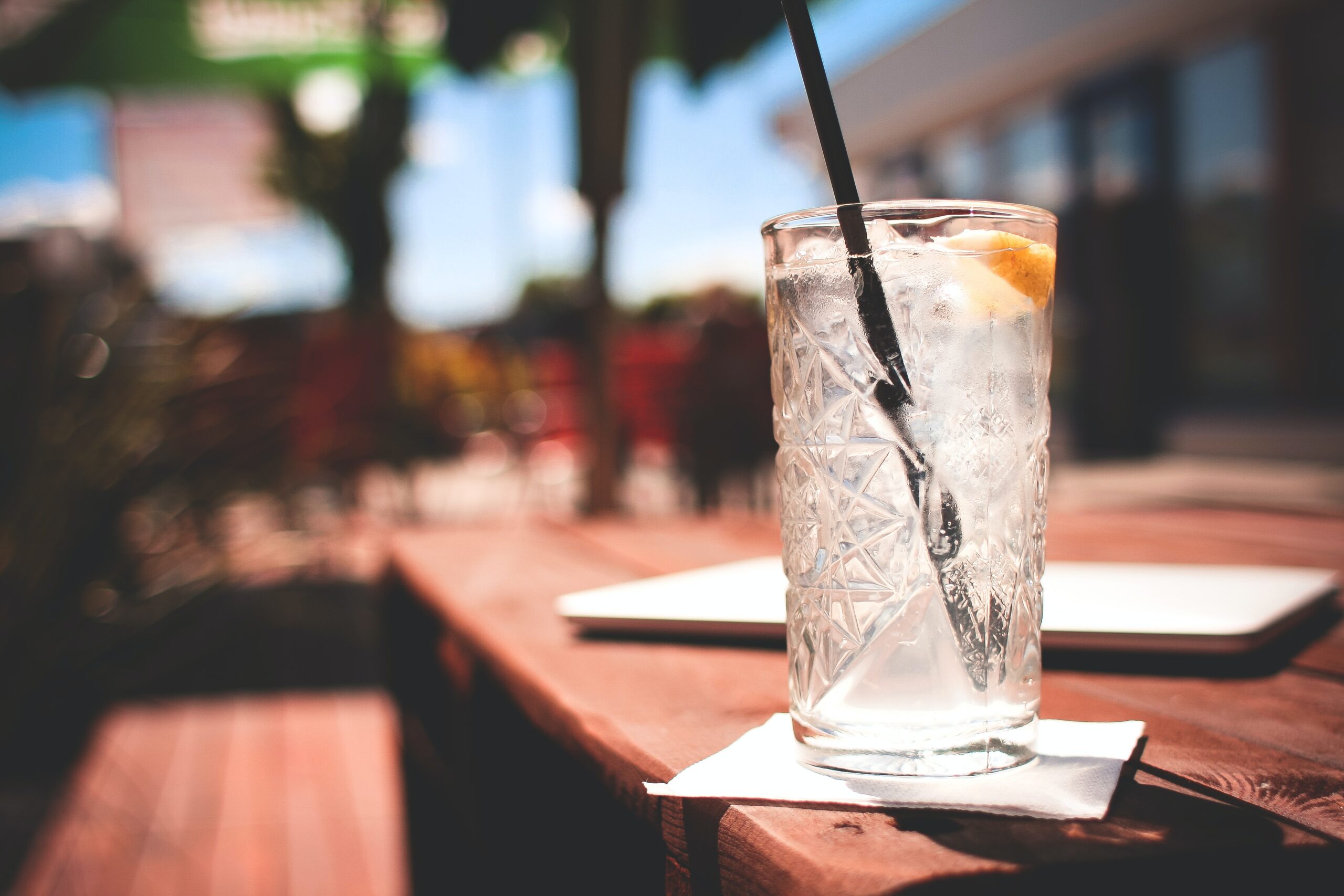
The Gin and Tonic stands as one of the world’s most beloved and enduring cocktails, celebrated for its crisp simplicity and botanical complexity. This two-ingredient marvel transforms premium gin’s juniper-forward spirit into a refreshing highball that’s both sophisticated and accessible. The effervescent tonic water doesn’t just add bubbles—it contributes a subtle quinine bitterness that creates an ideal counterpoint to gin’s herbal notes.
What makes the Gin and Tonic particularly special is its ability to showcase the nuanced differences between gin brands and styles. From London Dry to Contemporary gins, each brings its own personality to this seemingly simple serve. The cocktail’s flexibility extends beyond spirit selection to garnish choices, with everything from classic lime wedges to exotic botanicals finding their way into modern interpretations.
Far more than a casual drink, the Gin and Tonic has evolved into a canvas for creativity while maintaining its reputation as the ultimate warm-weather refresher. Its roots in British colonial history and subsequent global adoption have cemented its place as one of the few cocktails that transcends cultural boundaries and generations.
Gin and Tonic Ingredients
- 2 oz (60 ml) gin
- 4-6 oz (120-180 ml) tonic water
- 1 lime wedge
- Ice cubes
- Optional: additional garnishes (cucumber, herbs, or citrus)
How to Make a Gin and Tonic
Equipment needed: Highball or Collins glass, jigger, bar spoon
- Fill a highball glass with ice cubes, leaving room for liquid and garnish
- Measure and pour 2 oz of gin over the ice
- Squeeze the lime wedge over the drink to release oils, then drop it into the glass
- Slowly pour 4-6 oz of chilled tonic water down the side of the glass to preserve carbonation
- Give the drink one gentle stir with a bar spoon to combine without losing fizz
- Add any additional garnishes if desired
- Serve immediately with a cocktail napkin
Alternative Ingredients and Substitutes
- Gin styles: London Dry gin provides classic juniper-forward flavor. Contemporary gins offer unique botanical profiles. Navy Strength gin creates a more spirit-forward drink that cuts through the tonic.
- Tonic water options: Premium tonic waters like Fever-Tree or Q Tonic offer superior flavor and less artificial sweetness. Diet tonic reduces calories while maintaining taste. Flavored tonics (elderflower, Mediterranean) add complexity.
- Citrus alternatives: Lemon wedges provide brighter acidity than lime. Grapefruit adds bitter complexity. Orange brings sweeter citrus notes.
- Enhanced garnishes: Cucumber ribbons add cooling freshness. Fresh herbs like rosemary or thyme complement gin’s botanicals. Pink peppercorns provide subtle spice.
History and Origins
The Gin and Tonic emerged from a practical medical necessity in British colonial India during the 19th century. British officers and colonists consumed quinine as protection against malaria, but the bitter compound proved nearly unpalatable on its own. The addition of water, sugar, and eventually gin transformed this medicinal dose into something far more enjoyable.
The earliest versions of tonic water contained significantly more quinine than modern commercial varieties, making the medicinal properties more pronounced. Schweppes began producing the first commercial tonic water in 1783, though the marriage with gin didn’t become widespread until the colonial period. British officers would mix their daily gin ration with quinine tonic, inadvertently creating one of history’s most enduring cocktails.
The drink gained popularity throughout the British Empire and eventually found its way back to London’s social circles. By the early 20th century, the Gin and Tonic had shed its purely medicinal reputation and established itself as a respectable cocktail. The post-World War II era saw its transformation into a symbol of British leisure culture, particularly associated with warm summer evenings and garden parties.
Flavor Profile
The first sip of a well-made Gin and Tonic delivers an immediate burst of effervescence that carries gin’s botanical complexity across the palate. Juniper leads the charge with its piney, resinous character, followed by whatever secondary botanicals define your chosen gin—perhaps coriander’s citrusy spice, angelica’s earthy depth, or orris root’s floral elegance.
Tonic water’s quinine provides a distinctive bitter backbone that prevents the drink from becoming overly sweet or one-dimensional. The carbonation doesn’t just add texture; it amplifies aromatic compounds and creates a tingling sensation that enhances the overall drinking experience. As the bubbles subside, the gin’s more subtle botanicals emerge, creating layers of flavor that unfold with each sip.
The finish combines lingering botanical warmth with quinine’s clean bitterness, while citrus oils from the garnish add brightness and prevent any cloying aftertaste. Temperature plays a crucial role—proper chilling allows the gin’s complexities to shine while the cold enhances the tonic’s refreshing qualities and maintains carbonation longer.
Serving Suggestions
Serve your Gin and Tonic in a highball or Collins glass filled generously with ice. The tall format provides ample space for proper dilution and carbonation while allowing aromatic compounds to concentrate near the rim. Some bartenders prefer balloon glasses (copa de balon) for their wider opening, which better showcases garnishes and concentrates aromatics.
Temperature management is critical for optimal flavor. Use the coldest gin possible—some enthusiasts even store their gin in the freezer. Tonic water should be refrigerated and opened just before use to maintain maximum carbonation. The ice should be fresh and abundant, as proper chilling prevents the tonic from going flat too quickly.
This cocktail shines during warm weather months and outdoor gatherings. Garden parties, summer barbecues, and afternoon terraces provide ideal settings. The Gin and Tonic also works beautifully as an aperitif before dinner, as the quinine stimulates appetite while the botanicals prepare the palate for food. Its lower alcohol content compared to spirit-forward cocktails makes it suitable for extended social occasions.
Food Pairings
- Smoked salmon canapés: The gin’s botanicals complement the fish’s richness while tonic’s effervescence cleanses the palate
- Cucumber sandwiches: Classic British pairing where cucumber’s cooling properties echo the drink’s refreshing nature
- Oysters on the half shell: Tonic’s minerality and gin’s herbaceous notes enhance the oysters’ briny character
- Grilled prawns with herbs: The cocktail’s botanical complexity matches herb-crusted seafood beautifully
- Aged cheddar and crackers: Strong cheese flavors stand up to gin’s intensity while tonic cuts through richness
- Lemon tart: Citrus desserts create harmonious flavor bridges with the drink’s lime garnish
- Spanish olives: Briny, herbaceous olives complement gin’s savory botanical profile
- Chicken satay: Aromatic spices in the dish play well with gin’s complex botanicals
Alcohol Content and Nutrition
- ABV: 8-12% depending on gin-to-tonic ratio (approximately 1 standard drink)
- Calories: 120-180 per serving, primarily from tonic water’s sugar content
- Carbohydrates: 12-16g, mostly from tonic water
- Sugar: 12-16g from tonic water’s sweeteners
- Protein: 0g
- Fat: 0g
- Sodium: 15-25mg from tonic water
Popular Variations
- Spanish Gin and Tonic: Served in a large balloon glass with premium gin, artisanal tonic, and elaborate garnishes like cucumber ribbons, herbs, or exotic spices
- Pink Gin and Tonic: Uses pink gin (flavored with berries) and often garnished with fresh berries or rose petals
- Hendrick’s and Tonic: Specifically made with Hendrick’s gin and garnished with cucumber slices instead of lime
- French 75 Style G&T: Adds a splash of champagne for extra elegance and effervescence
- Elderflower G&T: Uses elderflower tonic water and often garnished with elderflower sprigs for floral complexity
- Mediterranean G&T: Features Mediterranean tonic and garnishes like rosemary, thyme, or lemon verbena
Common Mistakes to Avoid
- Using flat tonic water: Always use fresh, cold tonic water and open it just before mixing. Flat tonic ruins the drink’s essential effervescence and mouthfeel
- Over-stirring: One gentle stir is enough to combine ingredients. Excessive stirring kills carbonation and makes the drink lifeless
- Wrong ice ratio: Too little ice means rapid dilution and warm temperature. Fill the glass generously with fresh, cold ice
- Pouring tonic too aggressively: Pour slowly down the side of the glass to preserve maximum carbonation and prevent excessive foaming
- Using poor quality tonic: Bottom-shelf tonic water often tastes artificial and overly sweet. Invest in premium tonic water for dramatically better results
- Forgetting to express citrus oils: Simply dropping in a lime wedge misses the aromatic oils released by squeezing. Always squeeze before dropping
Conclusion
The Gin and Tonic proves that cocktail excellence doesn’t require complexity—just quality ingredients and proper technique. From its medicinal origins in colonial India to its status as a global icon, this drink has earned its reputation through versatility and timeless appeal. The beauty lies in its adaptability: premium gins reveal new dimensions, artisanal tonics add sophistication, and creative garnishes provide personal expression while honoring the cocktail’s essential character.
Experimentation with different gin styles and tonic brands will help you discover your ideal ratio and flavor profile. Whether you prefer the classic simplicity of London Dry gin with lime or enjoy exploring contemporary variations with exotic garnishes, the Gin and Tonic remains endlessly rewarding. Remember to enjoy responsibly and savor the botanical journey that each sip provides.