
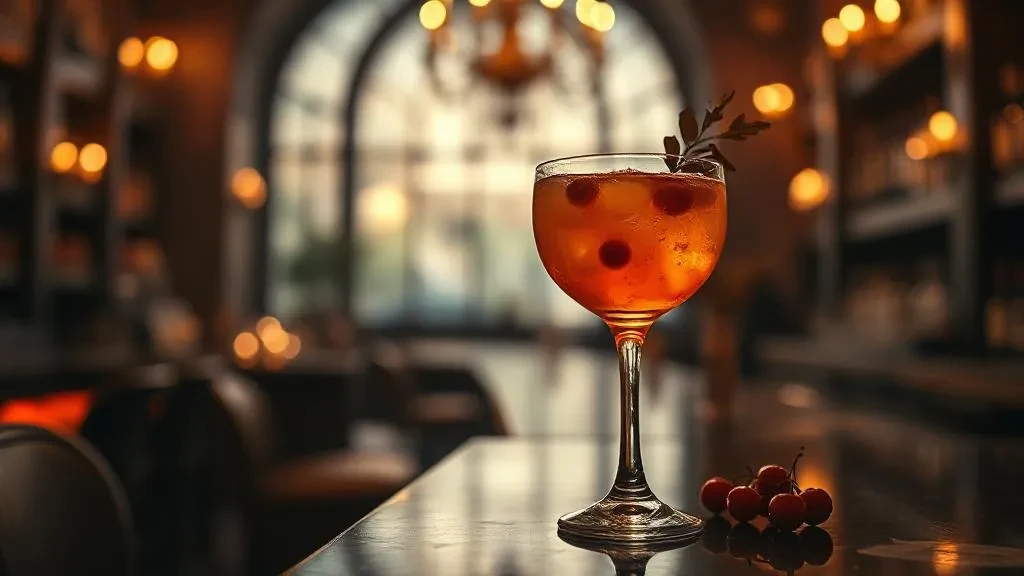
The Autumn Shrub Mocktail brings together the best of fall flavors in a sophisticated alcohol-free beverage that rivals any cocktail in complexity. This drink combines the tangy brightness of drinking vinegar (shrub) with seasonal fruits like apple, pear, or cranberry, creating a layered flavor experience that’s both refreshing and warming. The shrub component adds an unexpected acidic backbone that makes your palate sit up and take notice.
Built on the foundation of colonial-era preservation techniques, this mocktail transforms the humble drinking vinegar into something magical. The interplay between sweet fruit, sharp vinegar, and sparkling water creates a beverage that’s simultaneously nostalgic and modern. Unlike sugary sodas or flat fruit juices, the Autumn Shrub Mocktail offers genuine sophistication for non-drinkers.
This drink has found its place in the craft cocktail renaissance as bartenders recognize that mocktails deserve the same attention as their alcoholic counterparts. The seasonal timing makes it particularly special – those first crisp days of fall when apple orchards beckon and spice markets overflow with cinnamon and nutmeg.
Autumn Shrub Mocktail Ingredients
- 2 oz (60 ml) apple cider shrub (or pear/cranberry shrub)
- 4 oz (120 ml) sparkling water
- 1 oz (30 ml) fresh apple juice
- 0.5 oz (15 ml) fresh lemon juice
- 1 tsp maple syrup (optional, for extra sweetness)
- 2 dashes aromatic bitters (optional)
- Ice cubes
- Garnish: thin apple slice and cinnamon stick
How to Make an Autumn Shrub Mocktail
Equipment needed: highball glass, jigger, bar spoon, fine-mesh strainer
- Fill a highball glass with ice cubes, leaving room at the top for the sparkling water.
- Measure and pour the apple cider shrub into the glass using a jigger.
- Add the fresh apple juice and lemon juice to the glass.
- If using maple syrup for additional sweetness, add it now and stir briefly with a bar spoon to incorporate.
- Add two dashes of aromatic bitters if desired – they complement the fall spices beautifully.
- Slowly top with sparkling water, pouring gently to preserve carbonation.
- Give the drink a gentle stir with the bar spoon, just enough to combine ingredients without losing fizz.
- Garnish with a thin apple slice fanned on the rim and a cinnamon stick for stirring.
- Serve immediately while the carbonation is at its peak.
Alternative Ingredients and Substitutes
- Shrub alternatives: Pear shrub offers a mellower sweetness, while cranberry shrub adds tartness and beautiful color. Homemade apple scrap shrub works wonderfully if you have time to ferment.
- Sparkling water substitutes: Ginger beer creates a spicier profile, while tonic water adds quinine’s bitter complexity. Club soda works in a pinch but lacks flavor depth.
- Apple juice replacements: Fresh pear juice maintains the fall theme with different sweetness. Unfiltered apple cider provides more robust apple flavor and natural cloudiness.
- Sweetener options: Honey syrup dissolves better than straight honey and adds floral notes. Brown sugar syrup contributes molasses depth, while agave nectar keeps the drink vegan-friendly.
- Acid adjustments: White wine vinegar mixed with fruit juice can substitute for shrub in emergencies. Fresh lime juice works instead of lemon but changes the flavor profile significantly.
History and Origins
The shrub component of this mocktail traces its roots to colonial America, where fruit shrubs served as a method of preserving seasonal harvests before refrigeration existed. These drinking vinegars combined fruit, sugar, and vinegar in ratios that prevented spoilage while creating concentrated flavor bases for beverages. Families would prepare shrubs in late summer and fall, ensuring access to fruit flavors throughout winter months.
The technique actually originated much earlier in the Middle East and Mediterranean regions, where fruit and vinegar combinations helped preserve vitamins and provided refreshing drinks in hot climates. British colonists brought these preservation methods to America, where they adapted recipes to local fruits like apples, pears, and cranberries.
During Prohibition, shrub-based drinks experienced a renaissance as bartenders sought complex flavors without alcohol. The acetic acid in shrubs provided the bite that many cocktails lost without spirits, making them popular in speakeasies serving “near beer” and other low-alcohol alternatives.
The modern Autumn Shrub Mocktail emerged in the early 2000s as part of the craft cocktail movement’s focus on house-made ingredients and seasonal drinking. Bartenders like Brad Thomas Parsons documented traditional shrub recipes in books, inspiring a new generation to experiment with these fermented fruit vinegars in both alcoholic and non-alcoholic applications.
Flavor Profile
The first sip delivers a bright, acidic punch that immediately awakens your palate. The shrub’s vinegar base provides an unexpected sharpness that cuts through any expectation of typical sweet drinks. This initial tartness quickly gives way to the deeper fruit flavors – apple’s crisp sweetness, enhanced by the fresh apple juice component.
The middle of each sip reveals the complexity that makes shrubs special. Fermented fruit flavors emerge, slightly funky and wild, reminiscent of natural ciders or fruit wines without the alcohol. The sparkling water’s effervescence carries these flavors across your tongue, while the lemon juice adds citric brightness that differs from the shrub’s acetic tang.
The finish brings everything together with a clean, refreshing sensation. Maple syrup, if used, provides subtle caramel notes that linger pleasantly. The aromatic bitters contribute warm spice undertones – cinnamon, allspice, and clove – that perfectly complement fall’s flavor palette. The overall effect is both thirst-quenching and satisfying, with enough complexity to warrant slow sipping rather than quick consumption.
Serving Suggestions
Serve the Autumn Shrub Mocktail in a tall highball or collins glass to showcase its appealing color and allow room for generous ice and garnishes. The glass should be chilled beforehand if possible, as the drink tastes best when properly cold. The carbonation creates an attractive effervescence that looks particularly appealing in clear glassware.
Temperature is crucial for optimal enjoyment. All components except the sparkling water should be well-chilled before mixing, and the sparkling water should come straight from the refrigerator. Over-dilution from melting ice can quickly dull the shrub’s sharp edges, so serve immediately after preparation.
This mocktail shines during fall and early winter months when apple orchards are in season and warm spices feel appropriate. It works beautifully at harvest parties, Thanksgiving gatherings, and autumn wedding receptions. The sophisticated flavor profile makes it suitable for evening entertaining when you want something more interesting than soda but without alcohol’s effects. Brunch service also works well, particularly alongside hearty fall dishes or seasonal pastries.
Food Pairings
- Roasted pork tenderloin with apple stuffing: The drink’s acidity cuts through rich pork fat while echoing the apple flavors in the stuffing
- Sharp cheddar and walnut salad: The shrub’s tartness complements aged cheese while the nuts bridge to autumn’s harvest theme
- Butternut squash soup with sage: The mocktail’s brightness balances the soup’s creamy richness and earthy flavors
- Apple cider donuts: A natural pairing that amplifies the drink’s apple notes while the vinegar cuts sweetness
- Turkey and cranberry sandwich: The shrub’s acidity mimics cranberry sauce’s tartness while cleansing the palate between bites
- Brie and pear tart: The drink’s effervescence and acidity cut through rich cheese and buttery pastry
- Spiced pumpkin bread: The mocktail’s bright flavors provide contrast to warm, dense baked goods
- Caramelized onion and gruyere quiche: The shrub’s sharpness balances eggs’ richness while complementing caramelized sweetness
Alcohol Content and Nutrition
- ABV: 0% (completely alcohol-free)
- Calories: 45-65 per serving, depending on maple syrup addition
- Carbohydrates: 12-16 grams, primarily from fruit juices and optional sweetener
- Sugar: 10-14 grams from natural fruit sugars and added maple syrup
- Protein: Less than 1 gram
- Fat: 0 grams
- Sodium: 15-25 mg from sparkling water and any added bitters
- Vitamin C: 8-12 mg from fresh lemon and apple juices
Popular Variations
- Spiced Autumn Shrub: Add a pinch of ground cinnamon and nutmeg directly to the glass for enhanced warm spice flavors
- Ginger Autumn Shrub: Substitute ginger beer for sparkling water and add fresh grated ginger for heat and complexity
- Pomegranate Autumn Shrub: Use pomegranate juice instead of apple juice and pomegranate shrub for deeper color and antioxidants
- Herbs and Autumn Shrub: Muddle fresh thyme or sage leaves in the glass before adding other ingredients for savory herbal notes
- Frozen Autumn Shrub: Blend all ingredients with ice for a slushy consistency, perfect for warmer fall days
Common Mistakes to Avoid
- Using flat or warm sparkling water: Carbonation and temperature are essential for the drink’s refreshing quality. Always use cold, fresh sparkling water
- Over-sweetening with maple syrup: The shrub already contains fruit sugars, so start with less sweetener than you think you need
- Stirring too vigorously: Aggressive stirring kills carbonation quickly. Use gentle folding motions to combine ingredients
- Skipping the acid balance: Without enough lemon juice, the drink can taste flat despite the shrub’s vinegar content
- Using old or oxidized shrub: Shrubs can develop off-flavors over time. Taste your shrub before using and discard if it smells or tastes unpleasant
- Adding garnish too early: Apple slices brown quickly when exposed to air. Add garnishes just before serving to maintain visual appeal
Conclusion
The Autumn Shrub Mocktail proves that non-alcoholic beverages can achieve the same complexity and satisfaction as their spirited counterparts. The combination of fermented fruit flavors, bright acidity, and seasonal spices creates a drinking experience that evolves with each sip. Whether you’re hosting a fall gathering or simply want to enjoy sophisticated flavors without alcohol, this mocktail delivers on both taste and presentation.
Experimentation with different shrub flavors and seasonal garnishes keeps this recipe interesting throughout the autumn months. Remember to enjoy responsibly and stay hydrated, especially when serving alongside rich holiday foods.