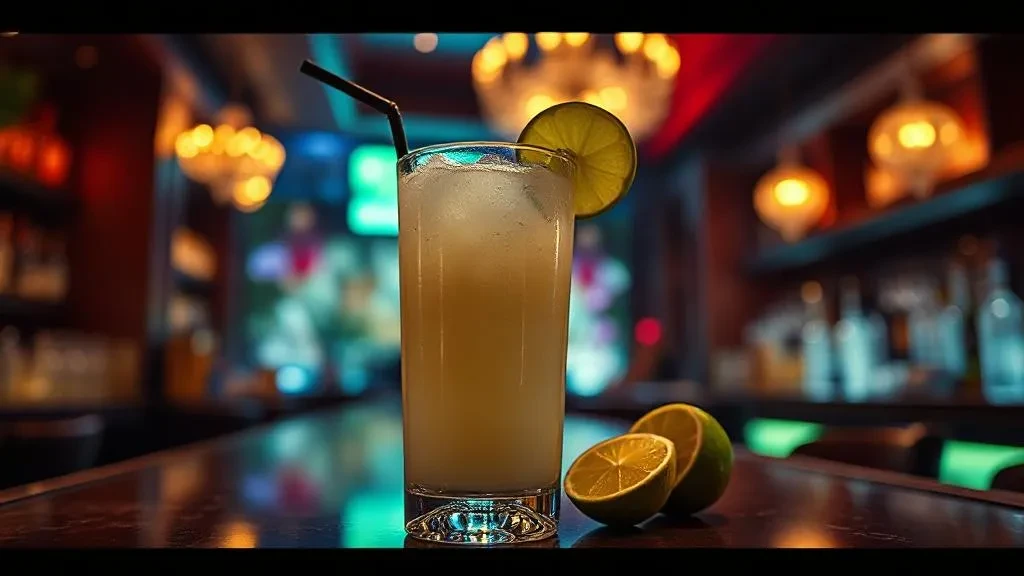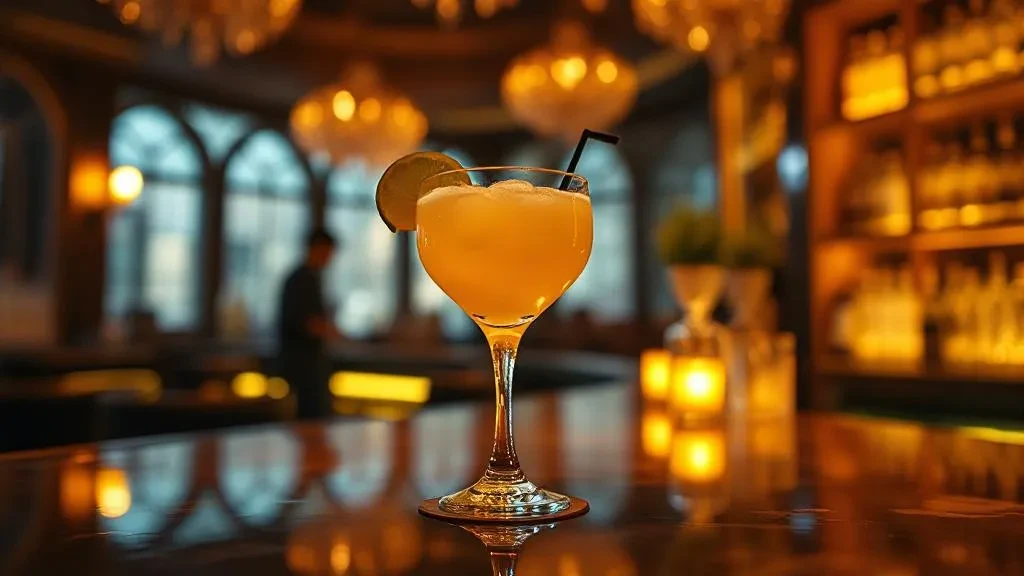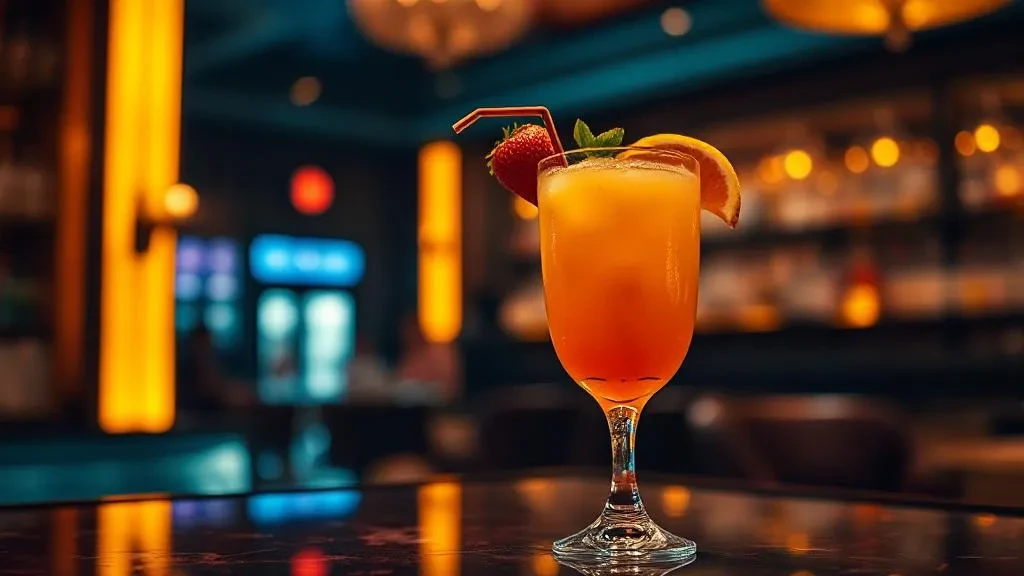










The warm spice of ginger beer meets the tropical sweetness of ripe mango in this alcohol-free twist on the beloved Moscow Mule. This Mango Mule Mocktail transforms the classic copper mug experience into something everyone can enjoy, delivering the same refreshing kick without the vodka. The combination creates a drink that’s both familiar and exotic, with mango’s creamy sweetness tempering ginger’s fiery bite.
What makes this mocktail special isn’t just the absence of alcohol—it’s how the ingredients work together to create complexity that rivals any spirit-forward cocktail. The natural acidity of lime juice brightens the mango’s richness, while ginger beer provides effervescence and heat that awakens the palate. Fresh mango brings natural sugars and tropical aromatics that make this drink feel indulgent rather than like a compromise.
This mocktail has earned its place at sophisticated gatherings, family barbecues, and anywhere people want the social ritual of cocktail culture without the alcohol. It’s particularly popular during summer months when fresh mangoes are at their peak, though quality frozen mango works beautifully year-round.
Mango Mule Mocktail Ingredients
- 3 oz (90 ml) mango juice or nectar
- 1 oz (30 ml) fresh lime juice
- 4-5 oz (120-150 ml) ginger beer
- 2-3 fresh mint leaves
- 1-2 dashes orange bitters (optional)
- Ice cubes
- Lime wheel and mint sprig for garnish
- Candied ginger piece for garnish (optional)
How to Make a Mango Mule Mocktail
Equipment needed: jigger, muddler, copper mug or highball glass, bar spoon, fine-mesh strainer (if using fresh mango)
- If using fresh mango instead of juice, muddle 3-4 chunks of ripe mango in the bottom of your serving glass until smooth, then strain the juice through a fine-mesh strainer to remove pulp.
- Add mint leaves to your copper mug and gently muddle them—just enough to release oils without shredding the leaves.
- Fill the mug with ice cubes, leaving room at the top for ginger beer.
- Add mango juice and fresh lime juice using a jigger for accuracy.
- Add orange bitters if using—they provide depth that mimics the complexity alcohol would bring.
- Top with ginger beer, pouring slowly to preserve carbonation.
- Stir gently with a bar spoon, just enough to combine ingredients without losing fizz.
- Garnish with a lime wheel, mint sprig, and candied ginger if desired.
Alternative Ingredients and Substitutes
- Mango juice alternatives: Fresh mango puree provides more body and texture. Mango nectar offers extra sweetness if your mango juice is tart. Passion fruit juice creates a more exotic flavor profile.
- Ginger beer options: Fever-Tree offers refined ginger flavor with moderate spice. Reed’s provides stronger ginger heat for those who want more kick. Gosling’s delivers traditional ginger beer flavor with good carbonation retention.
- Citrus variations: Lemon juice works but lacks lime’s tropical character. Orange juice adds sweetness but reduces tartness. Grapefruit juice creates a more sophisticated, bitter-sweet profile.
- Mint substitutes: Thai basil provides similar freshness with anise notes. Fresh ginger slices intensify the ginger profile. Lemongrass adds citrusy herbal complexity.
- Sweetness adjustments: Simple syrup balances tart mango juice. Agave nectar complements tropical flavors naturally. Honey adds floral notes but may overpower delicate mango.
History and Origins
The Mango Mule Mocktail emerged from the broader trend of premium non-alcoholic cocktails that gained momentum in the 2010s. While the Moscow Mule dates back to the 1940s at the Cock ‘n’ Bull pub in Hollywood, fruit-forward mule variations didn’t become widespread until craft cocktail culture embraced fresh, seasonal ingredients decades later.
The specific pairing of mango with ginger beer likely developed simultaneously in multiple locations where both ingredients were readily available. Caribbean bartenders had long combined tropical fruits with ginger-based drinks, while American craft cocktail bars began experimenting with mule variations using local and exotic fruits.
The rise of mocktail culture in the late 2010s gave bartenders incentive to create alcohol-free versions of popular drinks that maintained complexity and sophistication. The Mango Mule Mocktail represents this evolution—taking the familiar template of a Moscow Mule and rebuilding it around ingredients that provide interest without requiring alcohol for depth.
Most accounts suggest the drink gained popularity through social media, where its photogenic copper mug presentation and vibrant orange color made it ideal for sharing. The combination of Instagram-worthy aesthetics and inclusive appeal helped establish it as a modern classic in the mocktail repertoire.
Flavor Profile
The first sip delivers a burst of tropical mango sweetness that immediately coats the palate with creamy, almost custard-like richness. This initial impression quickly gives way to ginger beer’s spicy effervescence, which cuts through mango’s density and creates a tingling sensation on the tongue. The carbonation carries both flavors upward, creating aromatic complexity that fills the nasal cavity.
Lime juice provides crucial acidity that prevents the drink from becoming cloying while enhancing mango’s natural tartness. The citrus doesn’t dominate but rather acts as a bridge between mango’s sweetness and ginger’s heat. Fresh mint contributes cooling menthol notes that temper the ginger’s fire and add herbal complexity.
The finish shows ginger beer’s lingering warmth, with mango’s tropical character providing a smooth, sweet conclusion. Well-made versions achieve a balance where no single ingredient overwhelms—the mango provides body and sweetness, ginger brings spice and effervescence, lime adds brightness, and mint offers cooling relief. The overall effect is refreshing yet substantial, with enough complexity to keep you coming back for another sip.
Serving Suggestions
Serve in traditional copper mugs whenever possible—they’re not just for show. Copper conducts temperature efficiently, keeping the drink colder longer while developing an attractive frost on the outside. The metal also subtly affects the drink’s taste, providing a slight metallic note that enhances ginger beer’s spice. If copper mugs aren’t available, tall highball glasses work well, though they won’t provide the same temperature retention.
Temperature is crucial for this mocktail. Use plenty of ice and ensure all ingredients are well-chilled before mixing. Warm ginger beer loses carbonation quickly and delivers less ginger bite. Pre-chill your copper mugs in the freezer for extra temperature retention—the frosty exterior adds visual appeal and keeps the drink colder longer.
This mocktail shines during warm weather—summer barbecues, poolside gatherings, and outdoor brunches provide ideal settings. The tropical mango flavor and refreshing ginger fizz make it particularly appealing when temperatures rise. It’s also excellent for holiday entertaining when you want to offer sophisticated non-alcoholic options alongside traditional cocktails.
Food Pairings
- Grilled fish tacos: The mango echoes tropical salsa flavors while ginger cleanses the palate between bites of rich fish and creamy sauces.
- Thai green curry: Ginger beer’s spice complements curry heat while mango’s sweetness provides cooling relief from chili intensity.
- Barbecued pork ribs: The drink’s acidity cuts through fatty meat while tropical flavors balance smoky, savory barbecue sauce.
- Coconut shrimp: Creates a tropical flavor harmony with mango enhancing coconut sweetness and ginger providing spicy contrast.
- Spicy chicken wings: Ginger beer matches the heat while mango’s coolness provides relief, and lime acidity cuts through buffalo sauce richness.
- Asian lettuce wraps: Light, fresh ingredients complement the mocktail’s clean finish while ginger echoes Asian flavor profiles.
- Chocolate desserts: Mango’s acidity balances chocolate’s richness while ginger adds warming spice that enhances cocoa complexity.
- Fresh fruit salad: The drink amplifies tropical fruit flavors while ginger adds unexpected depth to sweet, simple desserts.
Alcohol Content and Nutrition
- ABV: 0% (completely alcohol-free)
- Calories: 120-150 per serving, depending on mango juice sweetness and ginger beer brand
- Carbohydrates: 28-35 grams, primarily from natural fruit sugars and ginger beer
- Sugar: 25-30 grams from mango juice and ginger beer sweeteners
- Protein: Less than 1 gram
- Fat: 0 grams
- Sodium: 10-20 milligrams, mainly from ginger beer
The calorie content varies significantly based on ingredient choices. Fresh mango juice typically contains less sugar than commercial mango nectar, while diet ginger beer can reduce calories by 60-80 per serving. Natural mango sugars provide quick energy, making this an excellent post-workout refresher when you need hydration and natural sugar replenishment.
Popular Variations
- Spicy Mango Mule: Adds muddled jalapeño or cayenne pepper for extra heat that complements the ginger beer’s natural spice.
- Frozen Mango Mule: Blended with ice and frozen mango chunks for a slushy texture perfect for pool parties and extremely hot weather.
- Mango-Pineapple Mule: Combines equal parts mango and pineapple juice for enhanced tropical flavor complexity and increased acidity.
- Mango Mule Fizz: Uses club soda alongside ginger beer for lighter carbonation and reduced sweetness, creating a more refreshing summer drink.
- Herbal Mango Mule: Incorporates basil, cilantro, or lemongrass for additional herbal complexity that complements the tropical fruit base.
Common Mistakes to Avoid
- Using low-quality ginger beer: Cheap ginger beer often lacks real ginger flavor and proper carbonation. Invest in brands that use real ginger for authentic spice and better mouthfeel.
- Over-muddling mint: Aggressive muddling releases bitter compounds from mint stems and leaves. Gentle pressing releases oils without creating bitter, grassy flavors.
- Adding ingredients to warm glasses: Room temperature copper mugs or glasses reduce the drink’s refreshing impact. Pre-chill serving vessels for optimal temperature retention.
- Mixing too vigorously: Excessive stirring destroys carbonation and creates flat, lifeless drinks. Gentle folding motions preserve ginger beer’s essential fizz.
- Using bottled lime juice: Fresh lime juice provides brightness and acidity that bottled versions can’t match. The preservatives in bottled juice create off-flavors that clash with fresh mango.
- Ignoring mango ripeness: Underripe mangoes lack sweetness and provide astringent flavors, while overripe fruit can taste fermented. Choose mangoes that yield slightly to pressure but aren’t mushy.
Conclusion
The Mango Mule Mocktail proves that alcohol-free drinks can deliver the complexity and satisfaction traditionally associated with craft cocktails. Its success lies in the thoughtful balance of ingredients—each component contributes essential elements that create a cohesive, interesting drink rather than a simple fruit juice mixture.
Experimentation with different mango varieties, ginger beer brands, and garnish combinations can help you discover your preferred version. The drink’s versatility makes it suitable for casual summer afternoons or elegant dinner parties where guests appreciate sophisticated non-alcoholic options. Remember to enjoy responsibly and stay hydrated, especially during warm weather when these refreshing mocktails are most appealing.