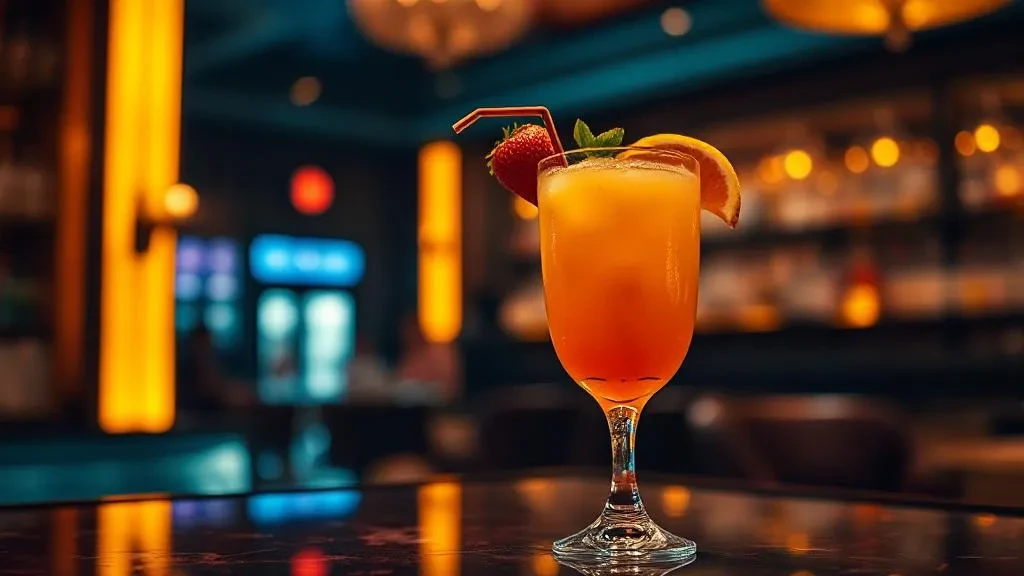










The marriage of sweet strawberries, aromatic basil, and tangy lemon creates one of the most sophisticated non-alcoholic beverages you can serve. This Strawberry Basil Lemonade elevates the simple concept of flavored lemonade into something restaurant-worthy, with layers of flavor that unfold with each sip. The unexpected addition of fresh basil transforms what could be just another fruit drink into a complex, herbaceous refresher that surprises and delights.
Unlike basic lemonades that rely solely on citrus and sugar, this mocktail showcases how herbs can add depth and sophistication to non-alcoholic drinks. The basil doesn’t overpower but rather complements the strawberries, adding an earthy undertone that balances the fruit’s natural sweetness. The result is a drink that feels grown-up and intentional, perfect for those who want something special without alcohol.
This mocktail has earned its place among the most requested non-alcoholic options at upscale restaurants and garden parties alike. Its vibrant pink color makes it as photogenic as it is delicious, while its refreshing qualities make it ideal for warm weather entertaining. The combination speaks to a growing appreciation for craft mocktails that offer complexity beyond simple fruit juices or sodas.
Strawberry Basil Lemonade Ingredients
- 1 cup (240 ml) fresh strawberries, hulled and quartered
- 8-10 fresh basil leaves
- 1/2 cup (120 ml) fresh lemon juice (about 4-5 lemons)
- 1/4 cup (60 ml) simple syrup (adjust to taste)
- 1 1/2 cups (360 ml) cold water
- 1/2 cup (120 ml) sparkling water or club soda
- Ice cubes
- Garnish: Fresh strawberry slices, basil sprigs, lemon wheels
How to Make a Strawberry Basil Lemonade
Equipment needed: Muddler, large pitcher or mixing bowl, fine-mesh strainer, wooden spoon, jigger or measuring cups
- Place the quartered strawberries and basil leaves in the bottom of a large pitcher or mixing bowl.
- Using a muddler or wooden spoon handle, gently muddle the strawberries and basil together until the strawberries release their juices and the basil becomes fragrant. Muddle for about 30-45 seconds – don’t over-muddle as this can make the basil bitter.
- Add the fresh lemon juice and simple syrup to the muddled mixture. Stir well to combine all flavors.
- Pour in the cold water and stir thoroughly. Let the mixture sit for 5-10 minutes to allow flavors to meld.
- Strain the mixture through a fine-mesh strainer into a clean pitcher, pressing the solids gently to extract maximum flavor. Discard the pulp.
- Taste and adjust sweetness by adding more simple syrup if needed, or add more lemon juice for extra tartness.
- Just before serving, stir in the sparkling water or club soda for effervescence.
- Fill glasses with ice and pour the lemonade over ice, leaving room for garnishes.
- Garnish each glass with fresh strawberry slices, a sprig of basil, and a lemon wheel.
Alternative Ingredients and Substitutes
- Strawberry alternatives: Raspberries create a more tart profile with deeper color. Blackberries add earthiness and richness. Frozen strawberries work when fresh aren’t available – thaw completely before muddling.
- Basil substitutes: Fresh mint provides cooling properties with familiar flavor. Thai basil offers a slightly spicier, more exotic taste. Lemon verbena adds citrusy herbal notes.
- Sweetener options: Honey creates floral complexity but requires extra stirring to dissolve. Agave nectar offers neutral sweetness. Stevia works for sugar-free versions but use sparingly.
- Citrus variations: Lime juice creates a more tropical flavor profile. Meyer lemon juice adds subtle sweetness and floral notes. A combination of lemon and lime provides complexity.
- Water alternatives: Coconut water adds subtle tropical flavor and electrolytes. Filtered water ensures the cleanest taste. Sparkling water throughout creates a fully effervescent drink.
History and Origins
The concept of flavored lemonades dates back centuries, with fruit-infused versions appearing in European courts during the Renaissance. However, the specific combination of strawberries and basil in lemonade represents a more modern culinary evolution, emerging from the farm-to-table movement of the early 2000s.
The pairing of strawberries and basil gained prominence in fine dining during the 1990s, when chefs began exploring savory herbs with sweet fruits. Restaurants started featuring strawberry-basil combinations in desserts and salads, recognizing how basil’s slight pepper notes enhanced strawberries’ natural sweetness without competing with their flavor.
The translation of this pairing into beverages followed naturally as the craft cocktail movement expanded to include sophisticated non-alcoholic options. Many accounts trace the popularity of herb-infused lemonades to California’s farm-to-table restaurants in the early 2000s, where seasonal menus demanded creative uses for abundant summer produce. Restaurants like Chez Panisse in Berkeley were among the early adopters of serving house-made flavored lemonades featuring whatever herbs and fruits were at peak season.
The drink gained wider recognition through food blogs and social media in the 2010s, as home entertainers sought Instagram-worthy beverages that offered complexity without alcohol. The visual appeal of the pink-hued drink garnished with fresh herbs made it particularly popular for garden parties and brunch gatherings.
Flavor Profile
The first sip delivers bright strawberry sweetness that immediately gives way to the lemon’s sharp acidity, creating that familiar sweet-tart balance that makes lemonade so appealing. But then comes the surprise – the basil emerges gradually, adding an herbal complexity that transforms the entire drinking experience. The basil doesn’t announce itself aggressively but rather weaves through the fruit flavors, adding depth and sophistication.
The middle of each sip showcases how beautifully the ingredients complement each other. The strawberries provide natural sweetness and body, while the lemon juice prevents the drink from becoming cloying. The basil adds an almost peppery undertone that enhances rather than masks the fruit flavors, creating layers that unfold as you drink.
The finish is clean and refreshing, with the sparkling water providing effervescence that lifts all the flavors and cleanses the palate. The aftertaste carries hints of the basil’s aromatic oils, leaving a pleasant herbal note that invites another sip. The overall effect is refreshing yet complex, familiar yet surprising – exactly what makes a great mocktail memorable.
Serving Suggestions
Serve this mocktail in tall glasses or mason jars to showcase its beautiful pink color and allow room for plenty of ice and garnishes. Collins glasses work particularly well, as their height accommodates the full visual impact of the layered garnishes. The drink should be served very cold, as the refreshing qualities depend heavily on proper temperature.
The garnish presentation makes a significant difference in the overall experience. Float thin strawberry slices on top, add a generous sprig of basil that guests can smell as they drink, and include a lemon wheel on the rim for both visual appeal and the option to add extra citrus. Some bartenders like to lightly slap the basil sprig before garnishing to release its oils.
This mocktail shines brightest during warm weather months when strawberries and basil are at their peak. It’s ideal for garden parties, brunch gatherings, baby showers, and any occasion where you want to offer something special for non-drinkers. The drink also works beautifully for afternoon entertaining, providing a refreshing alternative to heavier beverages while maintaining an elegant presentation that feels appropriate for more formal occasions.
Food Pairings
- Grilled chicken salad with mixed greens – The herbal notes complement the protein while the acidity cuts through any richness
- Caprese skewers with cherry tomatoes and mozzarella – The basil in the drink echoes the basil in the appetizer for harmonious flavors
- Lemon herb grilled salmon – The citrus elements create a unified flavor profile across both drink and main course
- Fresh berry tart with vanilla pastry cream – The strawberry flavors complement while the lemon brightens the rich cream
- Goat cheese and honey crostini – The drink’s acidity balances the creamy cheese while herbs bridge both preparations
- Mediterranean quinoa salad with herbs – The fresh, garden-like qualities of both create a cohesive light meal
- Grilled vegetable platter with herb oil – The basil notes tie together while the drink cleanses between different vegetable flavors
- White chocolate strawberry scones – The drink’s tartness cuts through sweet richness while amplifying strawberry flavors
- Prosciutto and melon appetizers – The sweet-savory combination works with the drink’s complex flavor profile
Alcohol Content and Nutrition
- ABV: 0% (completely non-alcoholic)
- Calories: 45-60 per 8 oz serving (varies based on simple syrup amount)
- Carbohydrates: 12-16 grams, primarily from natural fruit sugars and added sweetener
- Sugar: 10-14 grams depending on simple syrup quantity and strawberry ripeness
- Vitamin C: High content from fresh lemon juice and strawberries (approximately 40-50mg)
- Antioxidants: Significant levels from strawberries and basil
- Fiber: 1-2 grams if any fruit pulp remains after straining
- Protein: Less than 1 gram
- Fat: Negligible amounts
- Sodium: Minimal, primarily from sparkling water if used
Popular Variations
- Frozen Strawberry Basil Lemonade: Blend all ingredients with ice for a slushy consistency, perfect for hot summer days
- Sparkling Strawberry Basil Lemonade: Replace all still water with sparkling water for maximum effervescence and lighter body
- Strawberry Basil Limeade: Substitute lime juice for lemon juice to create a more tropical flavor profile with added complexity
- Adult Version: Add 1-2 oz of vodka or gin per serving to create a sophisticated cocktail version
- Strawberry Basil Arnold Palmer: Mix half the lemonade with unsweetened iced tea for a refreshing hybrid drink
- Spicy Strawberry Basil Lemonade: Muddle one thin slice of jalapeño with the strawberries for a subtle heat that complements the basil
- Creamy Version: Add a splash of coconut milk or regular milk for a pink lemonade-style drink with richer texture
Common Mistakes to Avoid
- Over-muddling the basil: Too much muddling releases bitter compounds from basil stems and leaves. Gentle muddling for 30-45 seconds is sufficient to release oils without creating bitterness.
- Using dried basil instead of fresh: Dried basil lacks the bright, aromatic oils that make this drink special. Fresh basil is essential for proper flavor development.
- Not straining thoroughly: Leaving pulp and herb particles in the drink creates an unpleasant texture and can lead to bitter flavors as the mixture sits.
- Adding sparkling water too early: Premature addition causes the drink to lose its effervescence. Always add sparkling components just before serving.
- Using overripe or underripe strawberries: Overripe berries make the drink too sweet and muddy, while underripe ones lack sufficient flavor and sweetness.
- Skipping the resting period: Allowing the muddled mixture to sit for 5-10 minutes before straining helps develop deeper, more integrated flavors.
Conclusion
The Strawberry Basil Lemonade represents everything great about modern mocktail culture – it’s visually stunning, flavor-complex, and sophisticated enough to satisfy even the most discerning palates. The combination of familiar strawberry-lemon flavors with the unexpected herbal twist of basil creates a drink that feels both comforting and adventurous. Whether you’re hosting a summer gathering or simply want to treat yourself to something special, this mocktail delivers restaurant-quality results at home.
The beauty of this recipe lies in its adaptability and the quality of ingredients you choose. Fresh, ripe strawberries and aromatic basil make all the difference, while the balance of sweet, tart, and herbal elements can be adjusted to personal preference. Remember to enjoy responsibly and stay hydrated, especially during warm weather when this refreshing mocktail is most appealing.