
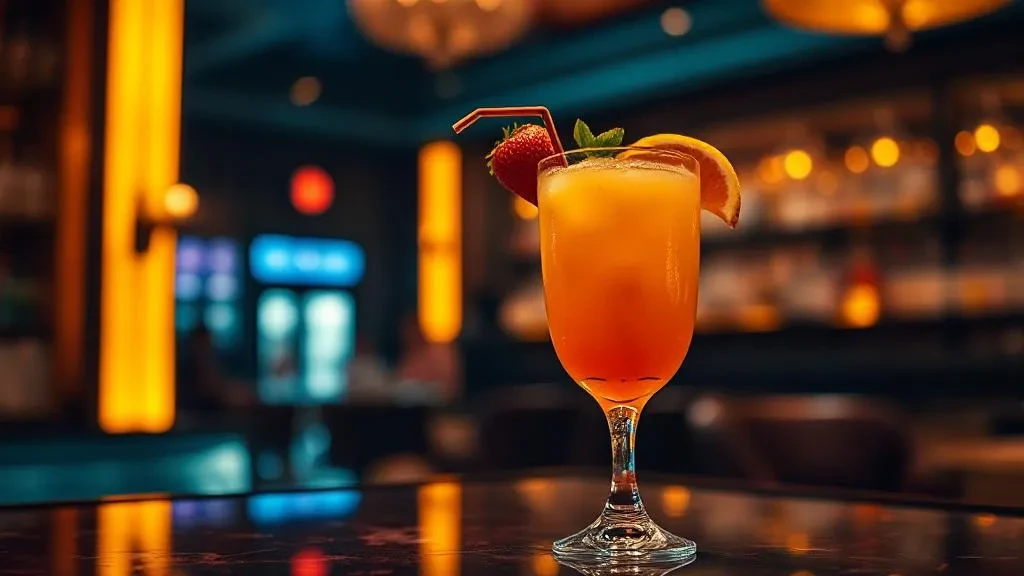
The Strawberry Mango Tango mocktail brings tropical paradise to your glass with a vibrant dance of sweet strawberries and exotic mango. This alcohol-free beverage captures the essence of summer with its brilliant coral-pink color and refreshing fruit-forward flavor that appeals to all ages. Unlike many mocktails that simply mix fruit juices, this recipe balances natural sweetness with tangy lime and a hint of mint for complexity.
Mocktails have evolved far beyond simple fruit punches, and the Strawberry Mango Tango represents the sophisticated end of non-alcoholic cocktail culture. The combination of strawberry and mango creates a harmony that’s both familiar and exciting, making it a standout choice for parties, brunches, or any moment when you want something special without the alcohol. The drink’s natural effervescence from sparkling water adds celebration to every sip.
This mocktail earned its place in the modern beverage landscape by proving that alcohol-free drinks can be just as complex and satisfying as their spirited counterparts. The interplay between the berry sweetness and tropical mango creates a flavor profile that’s refreshing yet substantial enough to satisfy sophisticated palates.
Strawberry Mango Tango Ingredients
- 4 fresh strawberries, hulled
- 1/2 cup (120 ml) mango chunks (fresh or frozen)
- 1 oz (30 ml) fresh lime juice
- 1 oz (30 ml) simple syrup
- 4 oz (120 ml) sparkling water or club soda
- 6-8 fresh mint leaves
- Ice cubes
- Garnish: strawberry slice, mango chunk, and mint sprig
How to Make a Strawberry Mango Tango
Equipment needed: muddler, cocktail shaker or blender, fine-mesh strainer, jigger, highball glass.
- Add strawberries and mango chunks to your cocktail shaker or blender.
- Muddle the fruit gently until well mashed but not completely liquified, leaving some texture.
- Add mint leaves and muddle lightly to release oils without shredding the leaves.
- Pour in fresh lime juice and simple syrup.
- If using a shaker, add ice and shake vigorously for 15-20 seconds. If using a blender, pulse briefly to combine.
- Double strain the mixture through a fine-mesh strainer into an ice-filled highball glass.
- Top with sparkling water, leaving about an inch of space at the rim.
- Stir gently to combine all ingredients.
- Garnish with a strawberry slice, mango chunk, and fresh mint sprig on a cocktail pick.
- Serve immediately while the bubbles are still active.
Alternative Ingredients and Substitutes
- Mango alternatives: Peach or papaya work beautifully, offering similar tropical sweetness with unique flavor notes. Frozen mango maintains consistency year-round and adds natural thickness.
- Strawberry substitutes: Raspberries create a more tart profile, while blackberries add deeper berry complexity. Fresh is ideal, but frozen berries work when thawed and drained.
- Simple syrup options: Honey syrup adds floral notes, while agave nectar provides cleaner sweetness. Maple syrup introduces subtle caramel undertones.
- Sparkling water varieties: Flavored seltzers like lime or berry complement the fruit base. Ginger ale adds spice and complexity, while lemon-lime soda increases sweetness.
- Mint alternatives: Fresh basil creates an herbal twist, while lemon verbena adds citrusy brightness. Thai basil introduces subtle anise notes for adventurous palates.
History and Origins
The Strawberry Mango Tango represents the modern mocktail movement that gained significant momentum in the early 2000s as health-conscious consumers sought sophisticated alcohol-free options. While no single creator can be credited with this specific combination, the pairing of strawberry and mango reflects the broader trend of tropical flavor fusion that emerged from California’s craft beverage scene.
The name “Tango” likely references the dance-like interplay between the two primary fruits, a naming convention that became popular in the 1990s beverage industry. Most accounts trace similar strawberry-mango combinations back to health-focused juice bars in Los Angeles and Miami, where fresh fruit mocktails became status symbols among wellness-oriented celebrities and fitness enthusiasts.
The drink’s evolution parallels the rise of craft cocktail culture, where bartenders began applying the same attention to detail and ingredient quality to non-alcoholic beverages. Many upscale restaurants started featuring elaborate mocktails around 2010, recognizing that designated drivers, pregnant women, and health-conscious diners deserved more than soda or juice.
Flavor Profile
The first sip delivers a burst of sweet strawberry that immediately gives way to the tropical richness of mango. The strawberry provides bright, slightly tart berry notes that dance on the front of your palate, while the mango adds creamy sweetness and exotic depth in the middle. Fresh lime juice cuts through the fruit’s natural sugars, preventing the drink from becoming cloying while adding necessary acidity that makes your mouth water for the next sip.
Mint leaves contribute cooling menthol notes that bridge the gap between the berry and tropical elements, creating a cohesive flavor experience rather than competing tastes. The sparkling water provides effervescent lift that lightens the drink’s texture and carries the fruit flavors across your palate. The finish is clean and refreshing, with lingering mango sweetness balanced by lime’s tartness and mint’s cooling effect. Each element supports the others without overpowering, creating a harmonious blend that tastes more complex than its simple ingredient list suggests.
Serving Suggestions
Serve the Strawberry Mango Tango in a tall highball glass or large wine glass to showcase its beautiful coral-pink color and allow room for garnish presentation. The drink should be ice-cold when served, so chill your glassware in the freezer for 10 minutes before preparing. Temperature is crucial – warm fruit mocktails lose their refreshing appeal and the sparkling water goes flat quickly.
Present the garnish artfully by threading a strawberry slice and mango chunk onto a bamboo pick with a mint sprig, creating an edible bouquet that doubles as aromatherapy when guests lean in to drink. The visual appeal matters as much as taste in mocktails, since they often substitute for celebratory cocktails at special events.
This mocktail shines during warm weather months from late spring through early fall, making it ideal for pool parties, garden gatherings, and outdoor barbecues. The bright flavors complement summer’s lighter fare while providing refreshment without alcohol’s dehydrating effects. Brunch service works particularly well, as the fruit-forward profile pairs naturally with morning and afternoon dining.
Food Pairings
- Grilled shrimp skewers: The tropical fruit flavors complement seafood’s natural sweetness while lime juice echoes typical shrimp seasonings
- Coconut rice bowls: Mango’s tropical profile harmonizes beautifully with coconut while strawberry adds color contrast
- Arugula and goat cheese salad: The drink’s sweetness balances arugula’s peppery bite and complements tangy goat cheese
- Fish tacos with mango salsa: Creates a cohesive tropical theme while the mocktail’s acidity cuts through rich fish preparations
- Vanilla panna cotta: Strawberry and mango provide bright fruit contrast to creamy, subtle desserts
- Thai-style chicken lettuce wraps: The mint component bridges Asian flavors while fruit sweetness balances spicy elements
- Quinoa stuffed bell peppers: Light, healthy preparation matches the mocktail’s fresh, wholesome character
- Key lime pie: Citrus in both the drink and dessert create harmony while fruits add complementary tropical notes
- Spinach and strawberry salad: Reinforces the strawberry element while providing textural contrast to the smooth beverage
Alcohol Content and Nutrition
- ABV: 0% (completely alcohol-free)
- Calories: 85-110 per serving, depending on simple syrup amount
- Carbohydrates: 22-28 grams, primarily from natural fruit sugars
- Sugar: 20-25 grams from fruit and added simple syrup
- Protein: 1 gram from fruit content
- Fat: Less than 0.5 grams
- Fiber: 2-3 grams from muddled fruit pieces
- Vitamin C: Approximately 45mg (50% daily value) from strawberries and lime
- Potassium: 180mg from mango and strawberries
- Sodium: 5-15mg depending on sparkling water choice
Popular Variations
- Frozen Strawberry Mango Tango: Blend all ingredients with ice for a slush-like consistency, perfect for hot summer days and poolside service
- Spicy Mango Strawberry: Add a thin slice of jalapeño during muddling for heat that complements the sweet fruit flavors
- Strawberry Mango Lemonade: Replace sparkling water with still water and increase lime juice for a more traditional lemonade approach
- Virgin Strawberry Mango Sangria: Add diced apples and grapes with a splash of grape juice for a mocktail version of the Spanish favorite
- Strawberry Mango Mint Julep: Increase mint significantly and serve over crushed ice in a traditional julep cup for a Kentucky Derby-inspired twist
- Tropical Green Tea Tango: Add cooled green tea as the base liquid instead of sparkling water for antioxidants and subtle earthiness
Common Mistakes to Avoid
- Over-muddling the fruit: Aggressive muddling creates bitter flavors from fruit skin and makes the drink cloudy. Gentle pressure releases juices while maintaining pleasant texture
- Skipping the double strain: Fruit pulp and mint fragments create an unpleasant drinking experience. Always strain through fine mesh for smooth consistency
- Using bottled lime juice: Fresh lime juice provides bright acidity that bottled versions can’t match. The difference is immediately noticeable in fruit-forward drinks
- Adding sparkling water too early: Premature mixing causes carbonation loss. Always add sparkling elements just before serving to maintain fizz
- Incorrect fruit ripeness: Underripe mango tastes starchy while overripe strawberries become mushy and overly sweet. Choose fruit that gives slightly to pressure but isn’t soft
- Forgetting to chill glassware: Room temperature glasses immediately warm the drink and accelerate ice melting, diluting flavors and reducing refreshment factor
Conclusion
The Strawberry Mango Tango proves that mocktails can deliver sophisticated flavor experiences that rival any alcoholic beverage. The combination of seasonal fruit, fresh herbs, and sparkling water creates a drink that feels special enough for celebrations while remaining approachable for everyday enjoyment. Experimenting with different fruit ripeness levels, mint varieties, or sparkling water flavors can help you discover your preferred version of this tropical treat.
Remember to enjoy all beverages, whether alcoholic or not, as part of a balanced lifestyle that prioritizes hydration and moderation.