
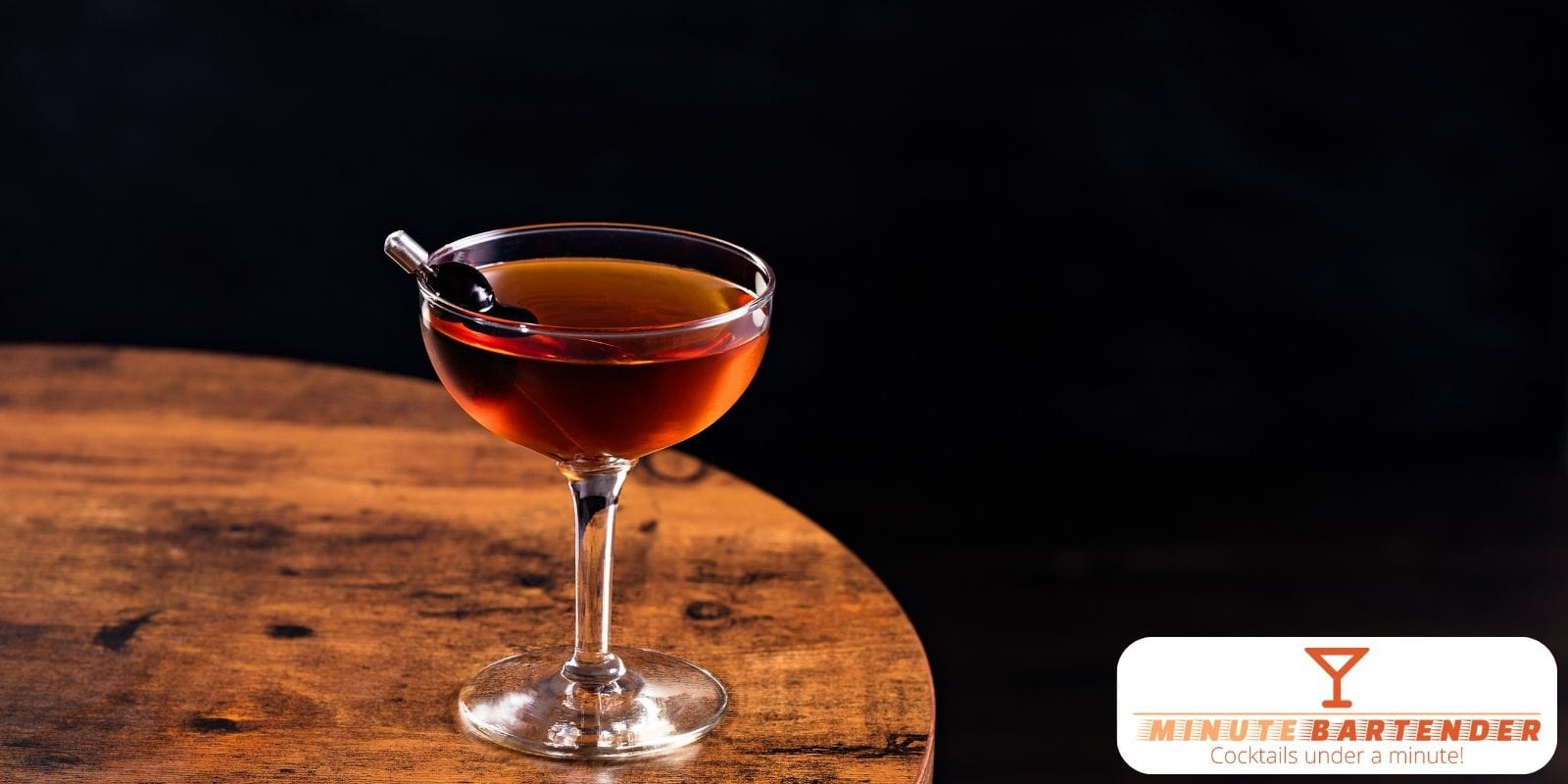
The Manhattan stands as one of the most revered cocktails in American bartending, a drink that has weathered countless trends while maintaining its essential character. Born in the saloons of 19th century New York, this whiskey-based cocktail demonstrates how three simple ingredients can create something far greater than their sum. The interplay between bold whiskey, aromatic vermouth, and complex bitters creates a symphony of flavors that reveals new nuances with each sip.
What sets the Manhattan apart is its perfect balance of strength and sophistication. Unlike flashier cocktails loaded with mixers and garnishes, the Manhattan relies entirely on the quality of its components and the skill of the bartender. The drink’s amber hue promises warmth and complexity, while its stirred preparation ensures a silky texture that coats the palate with layers of spice, sweetness, and bitter herbs.
The Manhattan has earned its place as a benchmark cocktail—one that serious bartenders use to gauge their skills and discerning drinkers order to test a bar’s capabilities. Its enduring appeal lies in its honesty: there’s nowhere to hide inferior ingredients or sloppy technique. When made properly, the Manhattan delivers an experience that connects you directly to cocktail history while satisfying modern palates seeking depth and character over mere refreshment.
Manhattan Ingredients
- 2 oz (60 ml) rye whiskey or bourbon
- 1 oz (30 ml) sweet vermouth
- 2-3 dashes Angostura bitters
- Maraschino cherry for garnish
- Lemon twist (optional alternative garnish)
How to Make a Manhattan
Equipment needed: mixing glass, bar spoon, jigger, strainer, coupe or martini glass
- Fill your mixing glass with ice cubes, ensuring they reach at least halfway up the glass.
- Measure and pour 2 oz of rye whiskey or bourbon into the mixing glass.
- Add 1 oz of sweet vermouth using your jigger for accuracy.
- Add 2-3 dashes of Angostura bitters directly into the mixture.
- Stir the cocktail with a bar spoon for 20-30 seconds, using smooth, circular motions to properly chill and dilute the drink.
- Strain the mixture into a chilled coupe or martini glass using a Hawthorne strainer.
- Garnish with a maraschino cherry dropped into the glass, or express a lemon twist over the surface and drop it in.
- Serve immediately while properly chilled.
Alternative Ingredients and Substitutes
- Whiskey alternatives: Bourbon creates a sweeter, rounder profile compared to rye’s spiciness. Canadian whisky offers a lighter touch, while Irish whiskey provides smoothness with subtle fruit notes.
- Vermouth substitutions: Carpano Antica Formula adds vanilla and spice complexity. Dolin Rouge provides a lighter, more floral character. Cocchi Vermouth di Torino delivers rich, chocolatey notes.
- Bitters variations: Orange bitters brighten the drink with citrus oils. Walnut bitters add earthy richness. Cherry bitters complement the traditional garnish beautifully.
- Garnish options: Luxardo cherries offer superior flavor and texture over standard maraschino. Cocktail onions transform it into a Gibson variation. Orange peel provides aromatic oils and visual appeal.
History and Origins
The Manhattan’s origin story remains contested among cocktail historians, with several plausible accounts competing for authenticity. The most widely circulated tale places the drink’s creation at the Manhattan Club in New York City around 1874, allegedly crafted for a banquet honoring presidential candidate Samuel Tilden. However, cocktail historian David Wondrich notes that this story lacks contemporary documentation and likely represents later mythology.
More credible accounts suggest the Manhattan emerged during the 1860s in New York’s bustling saloon culture, where bartenders regularly mixed whiskey with Italian vermouth as these ingredients became more readily available. The first printed recipe appeared in O.H. Byron’s “The Modern Bartender’s Guide” in 1884, indicating the drink was already well-established by that time.
Jerry Thomas, often called the father of American bartending, included a Manhattan recipe in later editions of his influential “Bartender’s Guide,” though notably it called for gum syrup and Curaçao rather than the vermouth-based formula we know today. The modern Manhattan formula likely stabilized during the 1880s and 1890s as Italian vermouth imports increased and bartenders refined the proportions.
Flavor Profile
The Manhattan opens with the whiskey’s assertive character leading the charge—rye varieties deliver peppery spice and grain complexity, while bourbon contributes caramel sweetness and vanilla undertones. The sweet vermouth immediately follows, wrapping the whiskey’s edges in herbal complexity layered with hints of dried fruit, botanical extracts, and wine-like acidity.
Angostura bitters provide the crucial binding element, their concentrated blend of spices and aromatics creating bridges between the primary ingredients while adding depth and preventing the drink from becoming one-dimensional. The bitters contribute subtle notes of cinnamon, cardamom, and orange peel that emerge as the drink warms slightly in your mouth.
The finish reveals the Manhattan’s sophisticated balance as the whiskey’s warmth lingers while the vermouth’s sweetness gradually fades, leaving behind pleasant bitter herb notes and the gentle astringency that invites the next sip. Proper dilution from stirring softens any harsh edges while maintaining the drink’s fundamental strength and character. Each element remains distinct yet harmonious, creating complexity without confusion.
Serving Suggestions
The Manhattan demands proper glassware to showcase its elegance—a chilled coupe glass provides the ideal vessel, with its wide bowl allowing aromatics to concentrate while the stem prevents hand warming. Alternatively, a classic martini glass or Nick & Nora coupe works beautifully. Some traditional establishments serve Manhattans in small rocks glasses, though this presentation lacks the refinement the cocktail deserves.
Temperature control proves crucial for optimal enjoyment. The cocktail should be served ice-cold, achieved through proper stirring and pre-chilling the glass. As the drink gradually warms, different flavor compounds become more prominent, creating an evolving tasting experience. Avoid serving over ice, as continued dilution destroys the carefully balanced proportions.
The Manhattan suits sophisticated occasions and cooler weather perfectly. Fall and winter months highlight its warming qualities, making it ideal for intimate dinners, theater intermissions, or contemplative evening sipping. The cocktail’s inherent seriousness makes it appropriate for business meetings, formal gatherings, or any situation requiring a drink with gravitas and refinement.
Food Pairings
- Oysters Rockefeller: The cocktail’s herbal complexity complements the rich spinach and herb topping while cleansing the palate between briny bites.
- Aged ribeye steak: The Manhattan’s robust whiskey backbone matches the meat’s intensity while vermouth’s sweetness balances the char and fat.
- Duck confit: The drink’s bitter elements cut through rich duck fat while the whiskey echoes the meat’s deep, complex flavors.
- Dark chocolate tart: Sweet vermouth harmonizes with chocolate’s richness while whiskey spice prevents the pairing from becoming cloying.
- Roquefort cheese and walnuts: The cocktail’s strength stands up to the cheese’s pungency while bitters complement the nuts’ earthiness.
- Smoked salmon canapés: The Manhattan’s sophistication matches the appetizer’s elegance while bitter herbs brighten the fish’s richness.
- Braised short ribs: The drink’s warmth complements slow-cooked meat while vermouth’s acidity cuts through the rich, wine-based sauce.
- Maple glazed pork belly: Sweet vermouth echoes the glaze while whiskey spice balances the pork’s luxurious fat content.
Alcohol Content and Nutrition
- ABV: 28-32% (approximately 2.2 standard drinks per serving)
- Calories: 185-210 per serving
- Carbohydrates: 4-6 grams (primarily from vermouth)
- Sugar: 3-5 grams (naturally occurring in vermouth)
- Protein: 0 grams
- Fat: 0 grams
- Sodium: Minimal (under 5mg)
Popular Variations
- Perfect Manhattan: Uses equal parts sweet and dry vermouth for a more complex, less sweet profile with enhanced herbal character.
- Rob Roy: Substitutes Scotch whisky for American whiskey, creating a smokier, more complex variation with Highland or Speyside characteristics.
- Black Manhattan: Replaces sweet vermouth with Averna or another amaro, delivering a more bitter, herbal-forward experience with Italian flair.
- Reverse Manhattan: Flips the proportions with more vermouth than whiskey, creating a lighter, more wine-forward cocktail perfect for aperitif service.
- Brooklyn Cocktail: Adds maraschino liqueur and dry vermouth alongside sweet vermouth, creating additional complexity and slight cherry notes.
Common Mistakes to Avoid
- Using inferior vermouth: Cheap or old vermouth ruins the drink’s balance. Invest in quality Italian brands and refrigerate after opening to maintain freshness.
- Over-stirring or under-stirring: Too little stirring leaves the drink warm and harsh, while excessive stirring creates over-dilution. Aim for 20-30 seconds of steady stirring.
- Wrong whiskey choice: Light whiskeys lack the backbone to support vermouth and bitters. Choose rye for spice or high-rye bourbon for character and complexity.
- Skipping glass chilling: A warm glass immediately raises the cocktail’s temperature, dulling flavors and destroying the intended drinking experience.
- Using too many bitters: More than 3-4 dashes overwhelms the delicate balance. Bitters should enhance, not dominate the other ingredients.
- Serving over ice: This continues diluting the carefully balanced cocktail and changes its character with each sip. Serve straight up in proper glassware.
Conclusion
The Manhattan remains cocktail culture’s most enduring statement of American sophistication, proving that exceptional drinks require quality ingredients rather than complicated techniques. Its three-ingredient simplicity masks remarkable depth, rewarding both the bartender who masters its preparation and the drinker who appreciates its nuanced character. From whiskey selection to stirring technique, every detail matters in creating the perfect Manhattan.
The cocktail’s adaptability ensures its continued relevance—whether you prefer rye’s spicy bite or bourbon’s mellow warmth, traditional sweet vermouth or modern amaro variations, the Manhattan framework accommodates personal taste while maintaining its essential identity. Remember to enjoy this potent cocktail responsibly, savoring its complexity over time rather than rushing through its concentrated alcohol content.