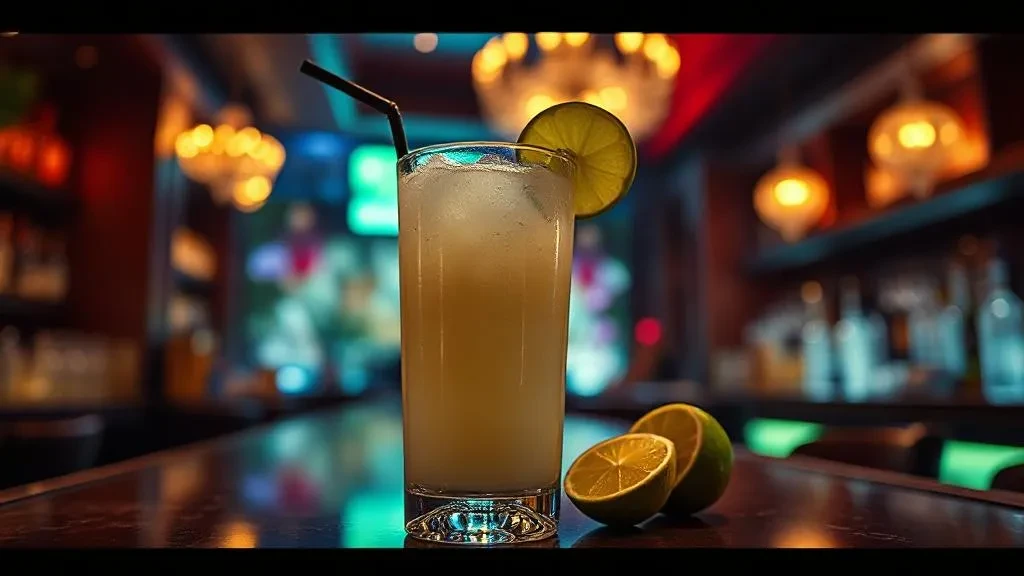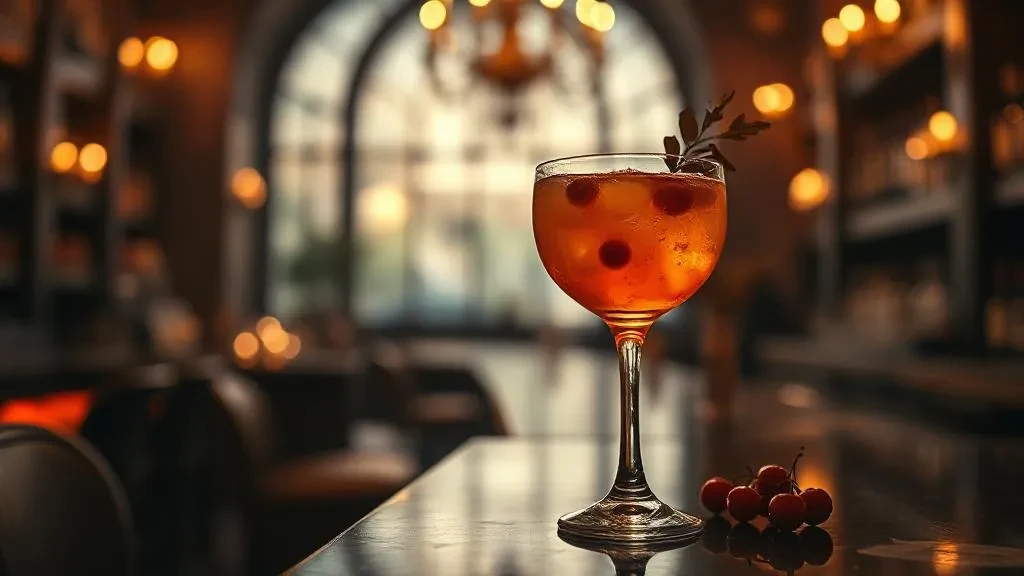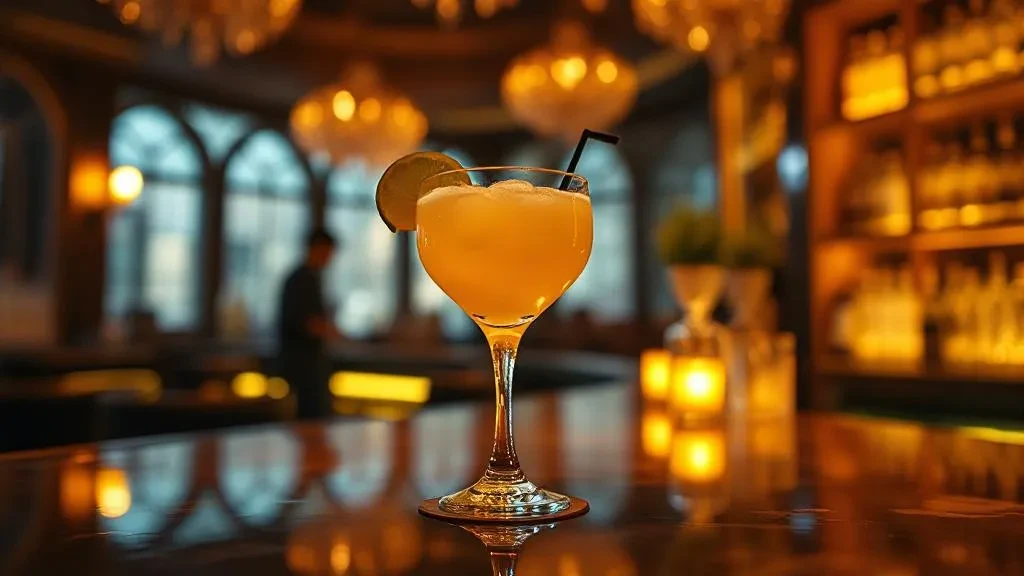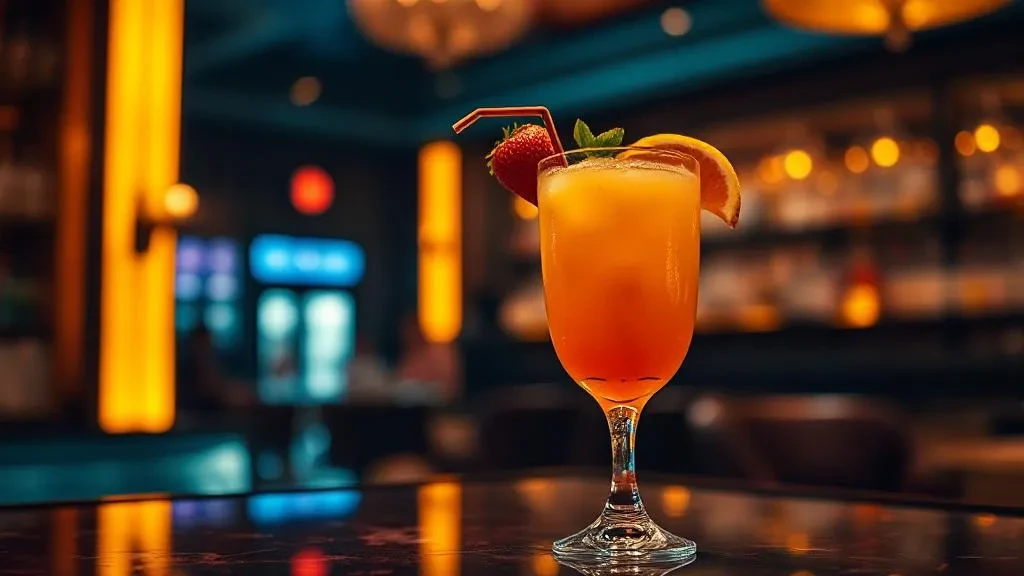










Nothing captures the essence of a festive gathering quite like a well-crafted fruit punch mocktail. This vibrant, non-alcoholic beverage brings together the natural sweetness of tropical fruits with refreshing citrus notes, creating a drink that appeals to guests of all ages. Unlike its alcoholic counterpart, this mocktail version maintains all the complexity and visual appeal while keeping everyone included in the celebration.
The beauty of a fruit punch mocktail lies in its versatility and crowd-pleasing nature. Each sip delivers layers of flavor – from the tartness of pineapple and cranberry to the bright acidity of citrus fruits, all balanced with effervescent ginger ale or sparkling water. The drink’s jewel-toned appearance, studded with floating fruit pieces, makes it as much a centerpiece as it is a beverage.
This mocktail has become essential at baby showers, holiday parties, and summer barbecues where hosts want to offer something more sophisticated than basic soft drinks but inclusive enough for designated drivers, pregnant guests, and children. The combination of fruit juices creates a naturally refreshing drink that satisfies without the need for alcohol, proving that mocktails can be just as memorable as their spirited counterparts.
Fruit Punch Mocktail Ingredients
- 2 cups (480 ml) pineapple juice
- 1 cup (240 ml) cranberry juice
- 1/2 cup (120 ml) orange juice
- 1/4 cup (60 ml) fresh lime juice
- 2 cups (480 ml) ginger ale or lemon-lime soda
- 1 cup (240 ml) sparkling water
- 2 tablespoons grenadine (optional, for color)
- 1 cup mixed fresh fruit (pineapple chunks, orange slices, berries)
- Fresh mint sprigs for garnish
- Orange and lime wheels for garnish
- Ice cubes
How to Make a Fruit Punch Mocktail
Equipment needed: Large punch bowl or pitcher, ladle, jigger or measuring cups, cutting board, sharp knife, wooden spoon for stirring.
- Chill all liquid ingredients in the refrigerator for at least 2 hours before mixing.
- Prepare your fresh fruit garnishes by cutting pineapple into chunks, oranges and limes into wheels, and washing berries thoroughly.
- In a large punch bowl or pitcher, combine pineapple juice, cranberry juice, and orange juice, stirring gently to blend.
- Add fresh lime juice and stir again to incorporate the citrus brightness.
- If using grenadine for extra color and sweetness, drizzle it slowly around the edge of the bowl and gently fold it in for a marbled effect.
- Add the prepared fresh fruit pieces, allowing them to float and infuse their flavors into the mixture.
- Just before serving, slowly pour in the ginger ale and sparkling water to maintain maximum carbonation.
- Add ice cubes to keep the punch well-chilled without diluting the flavors too quickly.
- Garnish individual servings with fresh mint sprigs and citrus wheels on the rim of glasses.
- Serve immediately with a ladle, ensuring each glass gets some of the floating fruit pieces.
Alternative Ingredients and Substitutes
- Pineapple juice alternatives: Mango juice creates a smoother, more tropical flavor. Apple juice provides sweetness with less tropical intensity.
- Cranberry juice substitutes: Pomegranate juice adds antioxidants and a deeper red color. Cherry juice brings similar tartness with a different fruit profile.
- Citrus variations: Grapefruit juice adds bitter complexity. Lemon juice can replace lime for a more traditional citrus note.
- Carbonation options: Club soda keeps it simple and clean. Flavored sparkling water like lime or berry adds subtle complexity without extra sweetness.
- Sweetener adjustments: Honey or agave nectar can replace grenadine for natural sweetening. Simple syrup allows you to control sweetness levels precisely.
- Fresh fruit substitutions: Frozen fruit works when fresh isn’t available and helps keep the punch cold. Canned fruit in juice (not syrup) provides convenience with decent flavor.
History and Origins
The concept of fruit punch traces back to the 17th century, with the word “punch” believed to derive from the Hindi word “panch,” meaning five, referring to the traditional five ingredients: alcohol, sugar, lemon, water, and tea or spices. British sailors and traders in India adopted this multi-ingredient beverage concept, eventually bringing it back to England and later to American colonies.
Non-alcoholic versions of fruit punch gained popularity during the American temperance movement of the late 19th and early 20th centuries. Church socials, school events, and family gatherings embraced these alcohol-free alternatives that maintained the festive, communal aspect of punch service without the moral concerns associated with alcohol consumption.
The modern fruit punch mocktail evolved significantly during Prohibition era (1920-1933) when creative hosts needed sophisticated non-alcoholic options for entertaining. Recipe books from this period show an explosion of creative “temperance punches” featuring exotic fruit combinations that were becoming more accessible due to improved transportation and refrigeration.
Post-World War II suburban culture cemented fruit punch’s place in American entertaining, particularly for children’s birthday parties and holiday celebrations. The addition of carbonated mixers became standard as soft drink manufacturing expanded, creating the effervescent versions we recognize today.
Flavor Profile
The first sip of a well-made fruit punch mocktail delivers an immediate burst of tropical sweetness, led by the bold pineapple juice that forms the drink’s foundation. This initial impression quickly gives way to the tartness of cranberry, which provides essential balance and prevents the sweetness from becoming cloying. The orange juice contributes a familiar citrus familiarity that bridges the tropical and traditional fruit flavors.
As the drink settles on your palate, the fresh lime juice’s acidity brightens all the other flavors, creating a clean, refreshing finish that invites the next sip. The carbonation from ginger ale or sparkling water adds textural interest and helps lift the fruit flavors, preventing them from feeling heavy or syrupy. When grenadine is included, it contributes a subtle pomegranate note and enhances the drink’s visual appeal with deeper red hues.
The fresh fruit pieces floating in the punch provide textural variety and release additional flavors as they macerate in the liquid. Pineapple chunks add bursts of concentrated sweetness, while berries contribute small pockets of tartness. The overall effect is a harmonious blend that tastes like summer in a glass, with enough complexity to keep adults interested while remaining approachable for younger palates.
Serving Suggestions
Serve fruit punch mocktail in clear glassware to showcase its vibrant colors and floating fruit garnishes. Large wine glasses, hurricane glasses, or even mason jars work beautifully for individual servings. For parties, a traditional punch bowl with matching cups creates an elegant presentation that encourages mingling as guests serve themselves.
Keep the punch well-chilled throughout service by placing the bowl over a larger bowl filled with ice, or use a decorative ice ring made with some of the punch mixture and additional fruit pieces frozen inside. The ideal serving temperature is between 35-40°F, cold enough to be refreshing but not so cold that it numbs the fruit flavors.
This mocktail shines during warm weather months, making it perfect for spring baby showers, summer graduation parties, pool gatherings, and outdoor barbecues. The drink also works wonderfully for holiday celebrations, particularly when garnished with seasonal elements like cranberries and orange slices for winter holidays, or fresh berries for Fourth of July gatherings.
Present the punch with small plates and cocktail napkins, as guests will want to eat the fruit garnishes. Consider providing small spoons or cocktail picks to help guests retrieve the floating fruit pieces from their glasses.
Food Pairings
- Coconut shrimp: The tropical fruit flavors complement the sweet coconut coating while the citrus cuts through the richness
- Spinach and strawberry salad: The punch’s berry notes echo the salad’s fruit while providing a sweet contrast to leafy greens
- Grilled chicken skewers: Light protein pairs well with the punch’s refreshing qualities without competing with its fruit-forward profile
- Cheese and crackers platter: Mild cheeses like brie or goat cheese balance the punch’s acidity while crackers provide textural contrast
- Mini quiches: Egg-based appetizers offer richness that the punch’s citrus components help cleanse from the palate
- Fresh fruit tarts: Complementary fruit flavors create a cohesive dessert pairing that enhances both the drink and dessert
- Pulled pork sliders: The punch’s acidity and sweetness mirror traditional barbecue sauce flavors while providing palate relief
- Vegetable spring rolls: Light, fresh appetizers match the punch’s clean finish and won’t overpower its delicate fruit balance
- Chocolate-dipped strawberries: The punch’s berry flavors enhance the strawberries while its acidity balances chocolate’s richness
Alcohol Content and Nutrition
- ABV: 0% (completely non-alcoholic)
- Calories: 120-150 per 8 oz serving, depending on juice brands and added sweeteners
- Carbohydrates: 28-35 grams, primarily from natural fruit sugars
- Sugar: 24-30 grams per serving from fruit juices and any added sweeteners
- Protein: Less than 1 gram
- Fat: 0 grams
- Vitamin C: High content from citrus juices and cranberry juice, providing 40-60% daily value
- Fiber: 0-1 gram unless fresh fruit pieces are consumed
- Sodium: 10-25 mg, mainly from carbonated mixers
Popular Variations
- Tropical Paradise Punch: Adds coconut water and mango juice while replacing cranberry with passion fruit juice for enhanced island flavors
- Berry Blast Mocktail: Features strawberry, raspberry, and blueberry juices with reduced pineapple for a more berry-forward profile
- Citrus Celebration Punch: Emphasizes orange, lemon, and lime juices with minimal pineapple, creating a more tart, citrus-dominant drink
- Sparkling Fruit Sangria Style: Uses 100% sparkling grape juice as the base with mixed fruit juices and plenty of fresh fruit pieces for a wine-like experience
- Ginger Spice Punch: Incorporates fresh ginger juice and uses ginger beer instead of ginger ale for a spicier, more complex flavor profile
- Pomegranate Power Punch: Features pomegranate juice as the primary component with apple and lime, creating a more sophisticated, antioxidant-rich version
Common Mistakes to Avoid
- Adding carbonation too early: Mixing ginger ale or sparkling water hours before serving results in flat, lifeless punch. Add carbonated ingredients just before serving to maintain effervescence.
- Using low-quality fruit juices: Cocktail mixes with high fructose corn syrup create artificial-tasting punch. Invest in 100% fruit juices or fresh-squeezed options for authentic flavor.
- Over-sweetening the mixture: Many fruit juices are already quite sweet, so adding too much grenadine or additional sweeteners can make the punch cloying and unbalanced.
- Neglecting the ice situation: Serving warm punch or letting ice melt completely dilutes flavors significantly. Use plenty of ice and replenish frequently, or use frozen fruit as decorative ice cubes.
- Forgetting acid balance: Skipping fresh lime or lemon juice results in a flat, one-dimensional punch that lacks the brightness needed to balance the sweetness.
- Preparing fresh fruit incorrectly: Leaving peels on citrus wheels or cutting fruit too large makes the punch difficult to drink and the fruit pieces hard to eat.
Conclusion
The fruit punch mocktail proves that non-alcoholic beverages can deliver complexity, visual appeal, and crowd-pleasing flavor without compromise. Its adaptability makes it suitable for any gathering, while the combination of familiar and tropical fruits creates broad appeal across different age groups and taste preferences. Experimenting with different fruit juice combinations and seasonal garnishes keeps this classic interesting and allows hosts to customize the recipe for their specific events and guest preferences.
Remember to enjoy this refreshing mocktail responsibly as part of a balanced approach to entertaining and hydration.