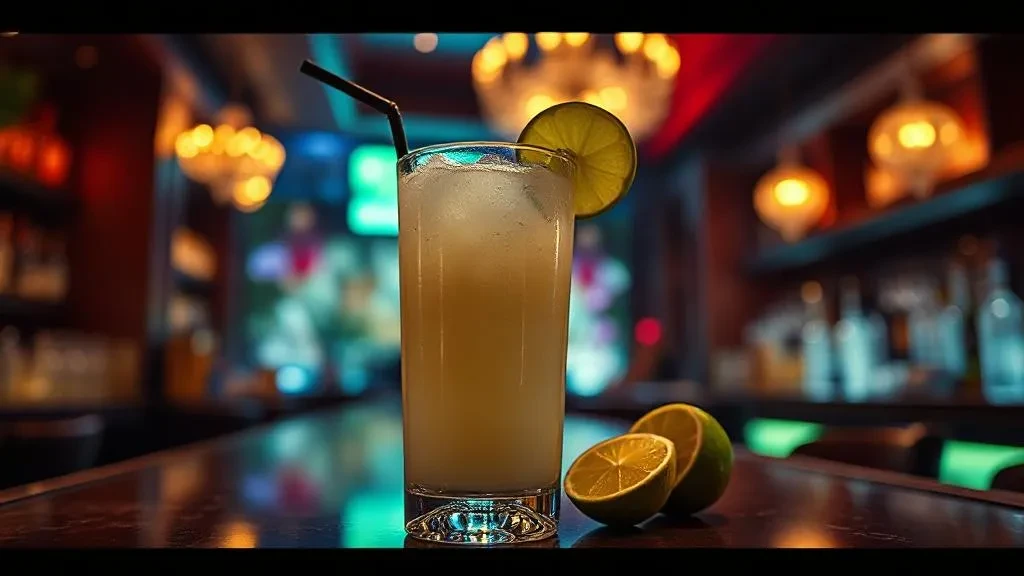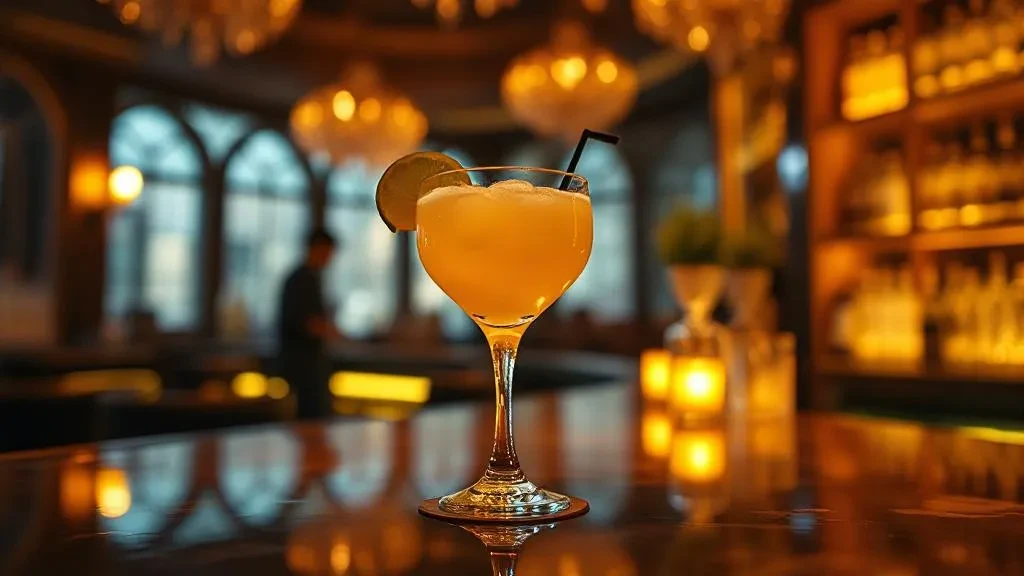










The Virgin Margarita proves that great cocktails aren’t defined by their alcohol content. This alcohol-free version captures all the zesty, refreshing essence of the original margarita while remaining completely accessible to everyone. The combination of fresh lime juice, orange juice, and a touch of sweetness creates a drink that’s both satisfying and sophisticated.
What sets this mocktail apart from other non-alcoholic beverages is its authenticity to the original flavor profile. Rather than simply mixing fruit juices, the virgin margarita maintains the tart-sweet balance that makes margaritas so beloved. The salted rim adds that signature touch that transforms this from a simple citrus drink into something special.
The virgin margarita has earned its place as one of the most popular mocktails served at restaurants, parties, and gatherings. It demonstrates that inclusive entertaining doesn’t require compromise on flavor or presentation.
Virgin Margarita Ingredients
- 3 oz (90 ml) fresh lime juice
- 2 oz (60 ml) fresh orange juice
- 1 oz (30 ml) simple syrup or agave nectar
- 1/2 oz (15 ml) triple sec substitute (orange juice concentrate or orange extract)
- Ice cubes
- Coarse salt for rim
- Lime wheel or wedge for garnish
How to Make a Virgin Margarita
Equipment needed: Cocktail shaker, jigger, fine-mesh strainer, margarita or rocks glass
- Prepare the glass by running a lime wedge around the rim, then dipping it in coarse salt on a small plate.
- Fill the prepared glass with ice and set aside.
- Add fresh lime juice, orange juice, simple syrup, and triple sec substitute to your cocktail shaker.
- Fill the shaker with ice cubes.
- Shake vigorously for 15-20 seconds until well chilled.
- Strain the mixture over the ice in your prepared glass.
- Garnish with a lime wheel or wedge on the rim.
- Serve immediately with a straw if desired.
Alternative Ingredients and Substitutes
- Simple syrup alternatives: Agave nectar provides a more authentic flavor profile. Honey works but adds floral notes. Sugar-free syrups reduce calories without sacrificing sweetness.
- Orange juice variations: Blood orange juice creates a deeper color and slightly different flavor. Mandarin juice offers more sweetness and less acidity.
- Lime juice enhancers: A splash of lemon juice can brighten the flavor if limes are less tart. Lime zest in the shaker adds extra citrus oils.
- Triple sec substitutes: Orange extract (just a few drops) provides concentrated orange flavor. Orange juice concentrate works but adds more liquid volume. Fresh orange zest muddled in the shaker releases natural oils.
- Sweetener options: Stevia-based syrups for low-calorie versions. Maple syrup adds complexity but changes the flavor profile significantly.
History and Origins
The virgin margarita emerged as a natural evolution of the original margarita’s popularity in American restaurants and bars during the 1980s and 1990s. As designated driver campaigns gained momentum and restaurants sought to accommodate non-drinking customers, bartenders began creating alcohol-free versions of their most popular cocktails.
Most accounts trace the virgin margarita’s development to Mexican restaurants in Texas and California, where the original margarita had already become a staple. Restaurant owners recognized that families dining together often included both drinking and non-drinking members, creating demand for inclusive beverage options that didn’t compromise on presentation or flavor.
The rise of the virgin margarita coincided with the broader mocktail movement of the late 20th century. Unlike earlier non-alcoholic drinks that were often afterthoughts, the virgin margarita was crafted to maintain the essential characteristics of its alcoholic counterpart. The key breakthrough was understanding that the margarita’s appeal came from its citrus-forward profile and salted rim presentation, elements that remained intact without tequila and orange liqueur.
Today, the virgin margarita appears on menus worldwide and has spawned countless variations, establishing itself as a legitimate beverage choice rather than simply a substitute.
Flavor Profile
The first sip of a well-made virgin margarita delivers a bright burst of citrus that immediately refreshes the palate. The lime juice provides the dominant flavor note – sharp, tart, and clean – while the orange juice adds a subtle sweetness and rounds out the acidity. The salted rim creates an interesting contrast that enhances both the sweetness and tartness of the drink.
The middle of each sip reveals the interplay between the citrus components and the sweetener. Agave nectar, when used, provides a neutral sweetness that doesn’t compete with the fruit flavors, while simple syrup offers a cleaner, more straightforward sweet note. The orange element, whether from fresh juice or concentrate, adds depth and prevents the drink from being one-dimensionally tart.
The finish is crisp and clean, with lingering lime notes and a slight saltiness from the rim. Unlike alcoholic cocktails, there’s no warming sensation, making this drink incredibly refreshing and thirst-quenching. The overall impression is bright, balanced, and satisfying – proving that alcohol isn’t necessary for complexity or enjoyment.
Serving Suggestions
The virgin margarita shines in a traditional margarita glass, where the wide rim showcases the salt preparation and allows for optimal garnish presentation. The glass should be well-chilled before serving, either by storing in the freezer or filling with ice water while preparing the drink. Rocks glasses work equally well for a more casual presentation, especially when serving larger portions.
Temperature is crucial for this mocktail. Serve immediately after preparation while the drink is ice-cold, as the refreshing quality diminishes as it warms. The ice should be fresh and abundant – both in the shaker during preparation and in the serving glass.
Virgin margaritas excel as summer refreshers, making them perfect for poolside parties, barbecues, and outdoor dining. They work beautifully for brunch service, especially with Mexican or Southwestern cuisine. Holiday entertaining benefits from having this inclusive option available, ensuring all guests can participate in toasts and celebrations. The drink adapts well to large-batch preparation for parties, though individual preparation yields the best results.
Food Pairings
- Fish tacos with cabbage slaw: The lime notes complement the fish while cutting through rich sauces
- Guacamole and tortilla chips: Both the drink and appetizer highlight lime and salt combinations
- Grilled chicken fajitas: The citrus brightens the smoky, spiced flavors of the meat and peppers
- Ceviche: The acidity in both the drink and dish creates a harmonious pairing
- Spicy shrimp skewers: The cooling citrus balances heat from chili seasonings
- Quesadillas with jalapeños: The drink’s refreshing quality counters the richness of melted cheese
- Tropical fruit salad: Citrus flavors complement mango, pineapple, and papaya
- Chips and salsa verde: The lime echoes the tomatillo-based salsa’s tartness
- Grilled corn with lime and chili: Both feature similar flavor profiles with citrus and salt
- Black bean and rice bowls: The bright acidity cuts through hearty, earthy flavors
Alcohol Content and Nutrition
- ABV: 0% (completely alcohol-free)
- Calories: 80-120 per serving, depending on sweetener choice
- Carbohydrates: 20-30 grams, primarily from fruit juices and sweetener
- Sugar: 18-25 grams from natural fruit sugars and added sweetener
- Protein: Less than 1 gram
- Fat: 0 grams
- Sodium: 200-400mg primarily from the salted rim
- Vitamin C: High content from fresh citrus juices, approximately 40-50mg per serving
Popular Variations
- Virgin Frozen Margarita: Blended with ice for a slushy consistency, perfect for hot weather entertaining
- Strawberry Virgin Margarita: Fresh or frozen strawberries muddled or blended in, adding sweetness and color
- Spicy Virgin Margarita: Muddled jalapeño or a rim of chili-lime salt for heat and complexity
- Virgin Margarita Spritzer: Topped with sparkling water or lemon-lime soda for effervescence and lighter flavor
- Mango Virgin Margarita: Fresh mango puree or juice replaces some orange juice for tropical sweetness
- Watermelon Virgin Margarita: Fresh watermelon juice adds summer flavor and natural sweetness
- Virgin Cadillac Margarita: Premium fresh juices and agave nectar with a sugar-salt rim combination
Common Mistakes to Avoid
- Using bottled lime juice: Fresh lime juice is essential for authentic flavor. Bottled versions taste artificial and lack the bright acidity that defines the drink.
- Over-sweetening: The drink should maintain the margarita’s characteristic tartness. Start with less sweetener and adjust to taste rather than making it too sweet initially.
- Skipping the salt rim: The salted rim isn’t just garnish – it’s integral to the flavor balance and authentic margarita experience.
- Using warm ingredients: All components should be chilled before mixing. Room temperature juices result in a less refreshing drink even with ice.
- Inadequate shaking: Vigorous shaking for the full 15-20 seconds properly chills and combines the ingredients. Under-shaking results in poorly integrated flavors.
- Poor ice quality: Use fresh, clean ice both for mixing and serving. Stale or off-flavored ice significantly impacts the final taste.
Conclusion
The virgin margarita stands as proof that exceptional drinks transcend alcohol content. By focusing on high-quality ingredients and proper technique, this mocktail delivers the refreshing, citrus-forward experience that makes margaritas universally beloved. The versatility of the base recipe allows for countless creative variations while maintaining the essential character that defines the drink.
Experimentation with different citrus combinations, sweeteners, and garnishes can personalize the virgin margarita to individual tastes and seasonal availability. Whether served at family gatherings, summer parties, or quiet evenings at home, this alcohol-free option ensures everyone can enjoy a sophisticated, flavorful beverage. Remember to always drink responsibly and be mindful of your limits, even with non-alcoholic beverages.