










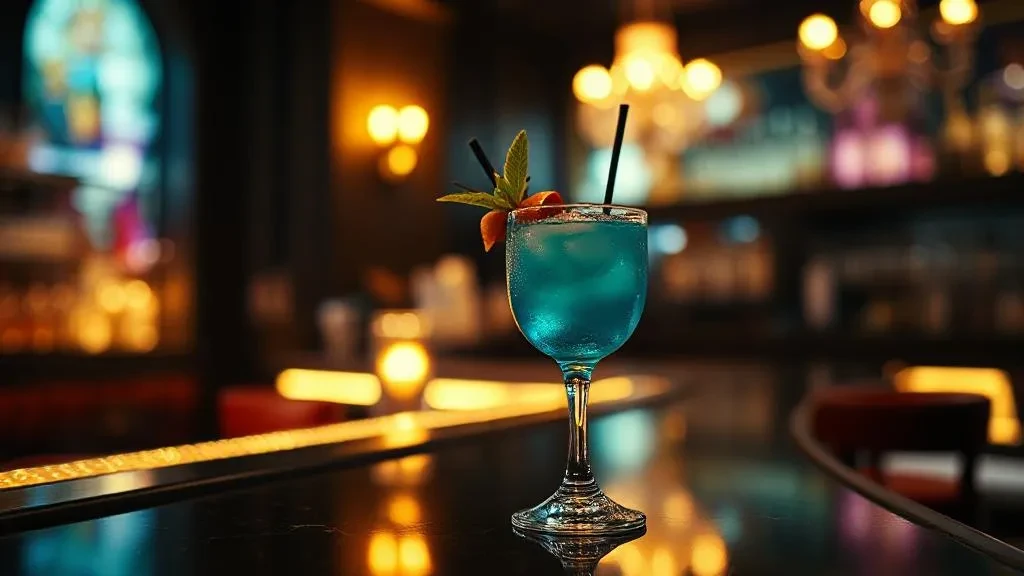
The Blue Hawaiian transports you straight to a tropical paradise with just one sip. This vibrant blue cocktail combines the smooth sweetness of coconut with tangy pineapple and a hint of citrus, creating a drink that’s as visually stunning as it is delicious. The electric blue color comes from blue curaçao, which adds both its distinctive hue and a subtle orange flavor that complements the tropical fruit notes perfectly.
Born from the tiki culture movement, the Blue Hawaiian represents the pinnacle of vacation cocktails. Its creamy texture from coconut cream balanced with the bright acidity of pineapple juice creates a complex flavor profile that goes far beyond its eye-catching appearance. The drink manages to be both indulgent and refreshing, making it a standout choice for anyone seeking an escape from the ordinary.
What sets the Blue Hawaiian apart from other tropical drinks is its ability to deliver serious flavor complexity while maintaining that fun, approachable vibe. The combination of light rum’s clean finish with the richness of coconut creates a base that lets each ingredient shine without overwhelming your palate.
Blue Hawaiian Ingredients
- 1 oz (30 ml) light rum
- 1 oz (30 ml) blue curaçao
- 2 oz (60 ml) pineapple juice
- 1 oz (30 ml) coconut cream
- 1/2 oz (15 ml) fresh lime juice
- 1 cup crushed ice
- Pineapple wedge and maraschino cherry for garnish
How to Make a Blue Hawaiian
Equipment needed: blender, jigger, hurricane glass or large wine glass
- Add the light rum, blue curaçao, pineapple juice, coconut cream, and fresh lime juice to your blender.
- Add 1 cup of crushed ice to the blender with the liquid ingredients.
- Blend on high speed for 10-15 seconds until the mixture is smooth and frothy.
- Pour the entire contents into a hurricane glass or large wine glass without straining.
- Garnish with a pineapple wedge and maraschino cherry, either on a cocktail pick or balanced on the rim.
- Serve immediately with a straw for the best texture and temperature.
Alternative Ingredients and Substitutes
- Rum alternatives: Coconut rum intensifies the tropical flavor profile. Silver tequila creates a unique twist with more bite. Vodka produces a cleaner, more neutral base that lets other flavors dominate.
- Blue curaçao substitutes: Triple sec with a few drops of blue food coloring maintains the color. Orange liqueur without coloring creates a “White Hawaiian” variation with identical flavor but clear appearance.
- Coconut cream options: Cream of coconut (like Coco López) adds more sweetness and thickness. Coconut milk produces a lighter, less sweet version. Heavy cream with coconut extract works as an emergency substitute.
- Pineapple juice variations: Fresh pineapple juice offers brighter, more complex flavor. Canned juice works fine and is more consistent. Pineapple juice concentrate mixed with water controls sweetness levels.
- Citrus alternatives: Fresh lemon juice substitutes well for lime juice. Orange juice adds sweetness instead of tartness. Omitting citrus entirely creates a sweeter, less balanced drink.
History and Origins
The Blue Hawaiian emerged during the 1950s tiki bar boom, though its exact origins remain somewhat disputed among cocktail historians. Most accounts trace the drink back to Harry Yee, the legendary bartender at the Hilton Hawaiian Village in Honolulu during the late 1950s. Yee, who was already famous for creating several tiki classics, developed the Blue Hawaiian as a variation of the existing Piña Colada, adding blue curaçao to create visual appeal and a subtle orange flavor note.
The drink gained significant popularity following Hawaii’s statehood in 1959, when mainland Americans became increasingly fascinated with Hawaiian culture and tropical imagery. Tiki bars across the continental United States began featuring the Blue Hawaiian as a signature drink, often serving it in elaborate carved mugs or hurricane glasses to enhance the exotic presentation.
Some cocktail historians credit the drink’s development to the broader tiki movement pioneered by Donn Beach and Trader Vic in the 1930s and 1940s, though the specific blue variation didn’t appear in cocktail literature until the late 1950s. The timing coincided perfectly with the introduction of reliable coconut cream products and the wider availability of blue curaçao in American bars, making the drink both achievable and appealing to bartenders nationwide.
Flavor Profile
The first sip of a Blue Hawaiian delivers an immediate burst of tropical sweetness, with pineapple juice providing bright, tangy notes that awaken your palate. The coconut cream follows quickly, coating your mouth with rich, velvety texture that balances the fruit’s acidity. Blue curaçao contributes a subtle orange essence that weaves through the coconut and pineapple, adding complexity without overpowering the primary tropical flavors.
As you continue drinking, the rum’s clean, slightly sweet character emerges, providing an alcoholic backbone that prevents the drink from becoming cloying. The lime juice plays a crucial supporting role, its tartness cutting through the coconut cream’s richness and brightening the overall flavor profile. The blended preparation creates a smooth, almost milkshake-like consistency that makes each sip feel indulgent yet refreshing.
The finish lingers pleasantly with coconut sweetness and a gentle warmth from the rum. The orange notes from the blue curaçao become more apparent at the end, leaving a subtle citrus complexity that invites another sip. The overall effect is creamy, fruity, and thoroughly tropical – like liquid vacation in a glass.
Serving Suggestions
Hurricane glasses are the traditional choice for Blue Hawaiian cocktails, as their curved shape showcases the vibrant blue color while providing ample space for garnishes. Large wine glasses work equally well if you don’t have hurricane glasses, offering similar visual appeal with a more elegant presentation. The wide opening of either glass allows the coconut and pineapple aromas to reach your nose with each sip.
Temperature is crucial for this cocktail – serve immediately after blending while still ice-cold and frothy. The drink should have a thick, almost slushy consistency that coats the glass. As it sits, the ingredients separate and the texture becomes less appealing, so timing matters significantly.
The Blue Hawaiian shines brightest during warm weather months, making it an ideal poolside companion or beach party centerpiece. Summer barbecues and luau-themed gatherings provide natural settings for this tropical drink, though it works equally well as an indoor escape during cold winter months when you’re craving sunshine and warmth.
Food Pairings
- Coconut shrimp: The coconut flavors complement each other while the shrimp’s protein balances the drink’s sweetness
- Kalua pork sliders: Smoky, savory pork contrasts beautifully with the bright tropical flavors
- Grilled pineapple with ham: Enhances the pineapple notes while adding savory depth
- Macadamia nut crusted mahi-mahi: Light fish pairs well with tropical cocktails without competing for attention
- Spam musubi: The salty, umami-rich flavors provide excellent contrast to the sweet drink
- Tropical fruit salad: Amplifies the fruity characteristics while cleansing the palate
- Coconut rice: Subtle coconut flavors echo the drink while providing neutral base notes
- Teriyaki chicken wings: Sweet and savory glaze complements the tropical flavor profile
- Poi: Traditional Hawaiian staple provides neutral, starchy balance to the sweet cocktail
Alcohol Content and Nutrition
- ABV: 8-10% (approximately 0.6 standard drinks per serving)
- Calories: 280-320 per serving, primarily from coconut cream and fruit juices
- Carbohydrates: 25-30 grams, mostly from natural fruit sugars and coconut
- Sugar: 22-28 grams from pineapple juice, coconut cream, and blue curaçao
- Fat: 8-12 grams from coconut cream
- Protein: 2-3 grams from coconut cream
- Sodium: 15-25 mg, minimal amounts from ingredients
Popular Variations
- Frozen Blue Hawaiian: Blended with more ice for a thicker, slush-like consistency similar to a daiquiri
- Blue Hawaiian Martini: Shaken with ice and served up in a martini glass for a more sophisticated presentation
- Virgin Blue Hawaiian: Omits rum entirely, focusing on the tropical fruit and coconut flavors for non-alcoholic enjoyment
- Spiced Blue Hawaiian: Substitutes spiced rum for light rum, adding vanilla and cinnamon notes
- Blue Hawaiian Punch: Scales up the recipe for large batches, often adding ginger ale or lemon-lime soda for effervescence
- Layered Blue Hawaiian: Carefully layers ingredients to create color gradients, with coconut cream on bottom and blue curaçao on top
Common Mistakes to Avoid
- Using coconut milk instead of coconut cream: Coconut milk creates a thin, watery texture that lacks the rich mouthfeel that makes this drink special
- Over-blending the cocktail: Blending too long melts the ice completely, creating a watery drink instead of the desired thick, frothy consistency
- Skipping fresh lime juice: Bottled lime juice lacks the bright acidity needed to balance the sweet coconut and pineapple flavors
- Wrong glass proportions: Serving in small glasses makes the drink look less impressive and doesn’t allow proper garnish presentation
- Adding the garnish too early: Preparing garnishes in advance causes pineapple to brown and cherries to sink, ruining the visual appeal
- Using regular ice instead of crushed: Regular ice cubes don’t blend properly, creating chunky texture instead of smooth consistency
Conclusion
The Blue Hawaiian stands as one of the most successful examples of form meeting function in the cocktail world. Its stunning visual presentation draws people in, but the carefully balanced tropical flavors keep them coming back for more. The drink’s versatility allows for numerous variations while maintaining its core identity as the ultimate vacation cocktail.
Experimenting with different rum styles or adjusting the coconut cream ratio can help you customize the drink to your preferences, but the classic recipe provides an excellent starting point for tropical cocktail exploration. Remember to enjoy responsibly and never drink and drive.


