










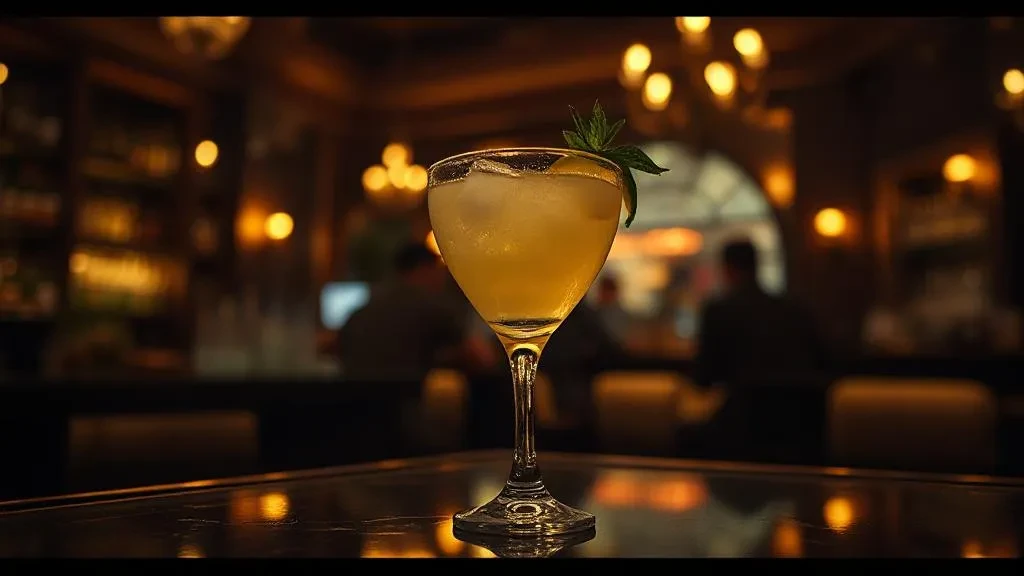
Ernest Hemingway’s legendary appetite for cocktails was matched only by his love of storytelling, and the Hemingway Daiquiri stands as a liquid testament to both passions. Unlike the sugary frozen daiquiris that dominate beach bars today, this sophisticated variation strips away the sweetness and doubles down on the rum, creating a drink that’s as bold and uncompromising as the man himself. The addition of maraschino liqueur and fresh grapefruit juice transforms the classic three-ingredient daiquiri into something entirely different—a cocktail that demands attention and rewards those who appreciate complexity over easy pleasures.
The flavor profile walks a tightrope between tart and bitter, with the maraschino liqueur providing subtle cherry notes that bridge the gap between the rum’s warmth and the citrus’s bite. Papa Doble, as it’s sometimes called, delivers a punch that reflects Hemingway’s own larger-than-life personality and his well-documented struggles with both fame and personal demons.
This cocktail has earned its place in the pantheon of literary drinks not just because of its famous namesake, but because it represents a philosophical approach to drinking—one that values authenticity and intensity over mass appeal. The Hemingway Daiquiri commands respect from bartenders and drinkers alike, serving as a bridge between the golden age of cocktails and modern craft bartending.
Hemingway Daiquiri Ingredients
- 2 oz (60 ml) white rum
- 0.5 oz (15 ml) fresh lime juice
- 0.5 oz (15 ml) fresh grapefruit juice
- 0.25 oz (7.5 ml) maraschino liqueur
- Garnish: Lime wheel or grapefruit twist
How to Make a Hemingway Daiquiri
Equipment needed: Cocktail shaker, jigger, fine-mesh strainer, coupe glass
- Chill a coupe glass in the freezer for at least 10 minutes before serving.
- Add the white rum, fresh lime juice, fresh grapefruit juice, and maraschino liqueur to a cocktail shaker.
- Fill the shaker with ice cubes, ensuring they cover the liquid completely.
- Shake vigorously for 12-15 seconds until the shaker becomes frosty on the outside.
- Double strain the mixture through a fine-mesh strainer into the chilled coupe glass.
- Express the oils from a grapefruit twist over the surface of the drink, or float a thin lime wheel on top.
- Serve immediately while ice-cold.
Alternative Ingredients and Substitutes
- Rum alternatives: Aged white rum like Flor de Caña 4-year provides more complexity while maintaining the clean profile. Rhum agricole offers grassy, funky notes that complement the grapefruit. Avoid dark rums as they overpower the delicate citrus balance.
- Maraschino substitutes: Luxardo is the gold standard, but if unavailable, a high-quality cherry brandy can work in a pinch, though reduce the amount by half. Avoid artificial cherry liqueurs at all costs.
- Citrus alternatives: Ruby red grapefruit juice adds sweetness if you find the original too tart. Meyer lemon juice can replace lime for a softer citrus note, though this changes the drink’s character significantly.
- Sweetness adjustments: Some bartenders add a bar spoon of simple syrup for guests unaccustomed to the drink’s austerity, though purists would argue this defeats the purpose.
History and Origins
The Hemingway Daiquiri’s origins trace directly to Ernest Hemingway’s frequent visits to El Floridita bar in Havana, Cuba, during the 1930s through 1950s. Constantino Ribalaigua Vert, the legendary bartender known as “Constante,” crafted this variation specifically for Hemingway, who complained that regular daiquiris were too sweet for his taste and requested double the rum with no sugar.
Most accounts agree that Hemingway discovered El Floridita sometime in the early 1930s and quickly became a regular fixture at the mahogany bar. The writer’s diabetes prevented him from consuming sugar, leading Constante to experiment with the formula that would become known as the “Papa Doble” – papa being Hemingway’s nickname among locals, and doble referring to the double portion of rum.
The exact recipe evolved over the years, with some historical accounts suggesting Hemingway originally preferred an even more austere version with just rum, lime, and grapefruit juice, no maraschino at all. However, the version that survived and gained international recognition includes the quarter-ounce of maraschino liqueur, which Constante likely added to provide subtle complexity without sweetness.
El Floridita still displays a bronze bust of Hemingway at his preferred spot at the end of the bar, and the cocktail remains their signature drink. The bar’s legacy helped cement this variation’s place in cocktail history, transforming a simple customer request into one of literature’s most famous drinks.
Flavor Profile
The first sip of a properly made Hemingway Daiquiri delivers an immediate blast of citrus acidity that awakens the palate without mercy. The grapefruit juice provides the dominant flavor note, offering a bitter-sweet complexity that’s more sophisticated than lime alone. Behind this citrus assault, the white rum provides a clean, sugarcane-driven backbone that carries the other flavors without competing for attention.
The maraschino liqueur performs subtle magic in the middle palate, contributing delicate cherry notes and a hint of almond that most drinkers can’t quite identify but definitely notice. This mysterious element prevents the drink from becoming a one-dimensional citrus bomb, adding layers that reveal themselves differently with each sip.
The finish is clean and dry, with the grapefruit’s natural bitterness lingering just long enough to make you crave another sip. Unlike sweet cocktails that can become cloying, the Hemingway Daiquiri’s austere character means it actually improves as you drink it, with your palate adjusting to appreciate the nuanced interplay between the ingredients. The overall experience is bracing and intellectual rather than immediately gratifying—much like Hemingway’s own writing style.
Serving Suggestions
The Hemingway Daiquiri demands presentation in a chilled coupe glass, which concentrates the aromatics while providing an elegant silhouette that matches the drink’s sophisticated character. The wide rim allows the citrus oils to hit your nose before each sip, enhancing the overall sensory experience. Some bartenders prefer a Nick and Nora glass for a more intimate presentation, though this reduces the surface area for optimal aroma delivery.
Temperature is absolutely critical—this cocktail must be served ice-cold to maintain its refreshing bite and prevent the flavors from becoming muddled. The lack of sugar means there’s nothing to mask imperfections, so precise chilling through proper technique becomes essential rather than optional.
This cocktail shines during warm weather months when its refreshing acidity provides relief from heat and humidity. Evening service works best, as the drink’s intensity makes it ideal for sophisticated pre-dinner conversation rather than casual afternoon sipping. The Hemingway Daiquiri fits perfectly into cocktail parties where guests appreciate craft cocktails and literary references, serving as both a conversation starter and a palate cleanser.
Food Pairings
- Oysters on the half shell: The drink’s acidity cuts through the brininess while complementing the ocean flavors perfectly
- Ceviche: Both the cocktail and dish rely on citrus acidity, creating a harmonious flavor echo
- Grilled shrimp with garlic: The rum’s Caribbean origins pair naturally with seafood, while the citrus brightens rich garlic flavors
- Cuban sandwich: A nod to the drink’s Havana origins, with the cocktail’s acidity cutting through rich pork and cheese
- Dark chocolate truffles: The contrast between bitter chocolate and tart citrus creates an sophisticated flavor juxtaposition
- Aged manchego cheese: The nutty, salty cheese provides a perfect foil to the drink’s bright acidity
- Tuna tartare: Raw fish preparations benefit from the cocktail’s clean, bright profile
- Smoked salmon canapés: The drink’s complexity matches the fish’s richness while cleansing the palate between bites
Alcohol Content and Nutrition
- ABV: 20-25% (approximately 1.6 standard drinks)
- Calories: 140-160 per serving
- Carbohydrates: 6-8 grams, primarily from fruit juices
- Sugar: 5-7 grams, all naturally occurring from citrus
- Protein: Less than 1 gram
- Fat: 0 grams
- Sodium: 2-4 mg
Popular Variations
- Papa Doble: The original Hemingway request with double rum (4 oz) and no maraschino liqueur, creating an intensely strong and austere cocktail
- Hemingway Special: Some bars add a splash of simple syrup to make the drink more approachable for modern palates
- Frozen Hemingway: Blended with ice for a slushy texture, though purists consider this sacrilege to the drink’s sophisticated character
- Pink Hemingway: Uses ruby red grapefruit juice for added sweetness and a beautiful pink color
- Hemingway’s Ghost: Replaces white rum with aged rum for deeper, more complex flavors that some argue better reflect the writer’s mature palate
Common Mistakes to Avoid
- Using bottled citrus juices: Fresh lime and grapefruit juice are absolutely essential. Bottled versions taste flat and artificial, destroying the drink’s bright character
- Skipping the double strain: The fine mesh strainer removes pulp that would otherwise create an unpleasant texture in this refined cocktail
- Over-shaking: More than 15 seconds dilutes the drink excessively, weakening the bold flavors that define the Hemingway Daiquiri
- Wrong maraschino brand: Cheap imitations lack the complexity of quality maraschino liqueur like Luxardo, turning elegant cherry notes into cloying artificial flavor
- Serving in the wrong glass: Martini glasses are too large and don’t concentrate the aromatics properly, while rocks glasses make the drink seem casual rather than sophisticated
- Adding simple syrup without request: The drink’s austere character is intentional—sweetening it defeats the entire purpose of this particular variation
Conclusion
The Hemingway Daiquiri stands as more than just a cocktail variation—it represents a philosophy of drinking that values boldness over comfort and complexity over immediate gratification. Like Hemingway’s prose, every element serves a purpose, with nothing superfluous cluttering the essential message. The drink rewards those who approach it with patience and an appreciation for nuance, revealing new layers of flavor with each encounter.
Mastering this cocktail teaches valuable lessons about balance, precision, and the importance of quality ingredients in craft bartending. The techniques required—proper shaking, double straining, and precise measurements—apply to countless other cocktails, making the Hemingway Daiquiri an excellent teacher as well as a sophisticated drink. Remember to enjoy responsibly and savor the craftsmanship that goes into each perfectly balanced sip.


