
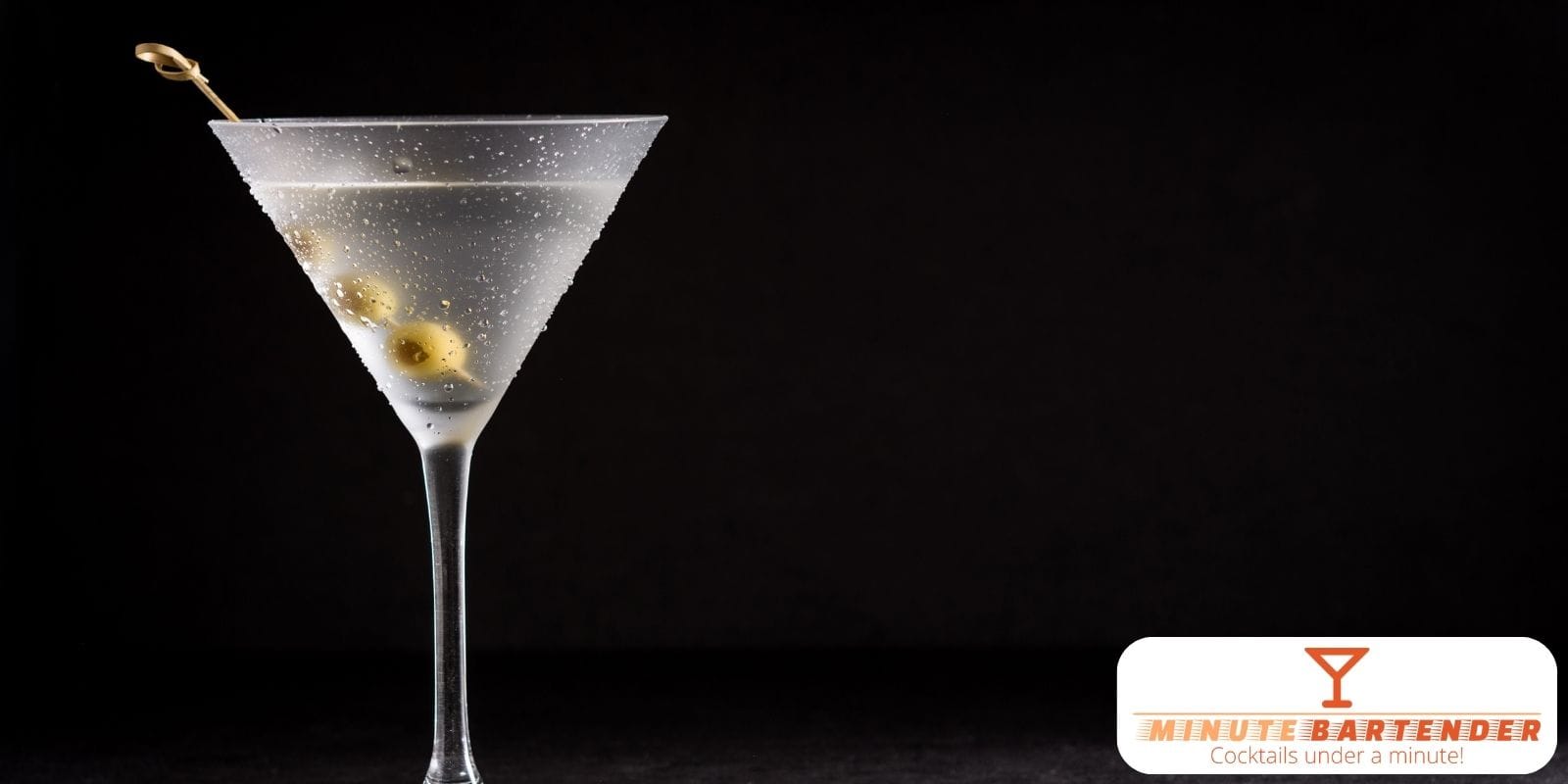
The Martini stands as the undisputed king of cocktails, a drink so iconic it has transcended mere beverage status to become a cultural symbol. This gin-and-vermouth combination delivers crisp, herbaceous flavors with an almost ethereal clarity that separates amateur cocktail makers from true craftspeople. Each element must work in harmony: the juniper-forward gin providing botanical backbone while dry vermouth contributes subtle complexity and smoothness.
No other cocktail has inspired such passionate devotion or heated debate. The Martini’s deceptive simplicity means there’s nowhere to hide imperfections, making it the ultimate test of a bartender’s skill. From the precise ratio to the garnish choice, every decision shapes the final result. This exacting nature has made the Martini both revered and feared, celebrated in literature and film as the drink of sophistication and refinement.
Despite its reputation for being finicky, the Martini rewards attention to detail with unmatched elegance. The drink’s minimalist approach allows premium ingredients to shine, creating a cocktail that feels both timeless and modern, equally at home in a 1940s cocktail lounge or a contemporary craft bar.
Martini Ingredients
- 2.5 oz (75 ml) gin
- 0.5 oz (15 ml) dry vermouth
- 1 lemon twist or 3 olives for garnish
- Ice for stirring
How to Make a Martini
Equipment needed: Mixing glass, bar spoon, jigger, strainer, chilled coupe or martini glass
- Chill your coupe or martini glass in the freezer for at least 15 minutes before serving.
- Fill a mixing glass with ice cubes.
- Measure and pour 2.5 oz of gin over the ice.
- Add 0.5 oz of dry vermouth to the mixing glass.
- Stir gently with a bar spoon for 30-45 seconds until well-chilled.
- Strain the mixture into your chilled glass using a Hawthorne strainer.
- Express the oils from a lemon twist over the drink’s surface by gently twisting it, then either drop it in or discard.
- Alternatively, garnish with three olives on a cocktail pick.
- Serve immediately while ice-cold.
Alternative Ingredients and Substitutes
- Gin alternatives: Premium London Dry gins like Tanqueray or Bombay Sapphire provide classic juniper-forward profiles. Plymouth gin offers a softer, more rounded flavor. Contemporary gins with unique botanicals can create interesting variations.
- Vermouth options: Dolin Dry provides clean, herbaceous notes. Noilly Prat delivers more complexity with hints of chamomile. Cocchi Americano adds subtle bitterness and floral elements.
- Ratio adjustments: A 6:1 ratio (3 oz gin to 0.5 oz vermouth) creates a drier Martini. Equal parts gin and vermouth makes a “wet” Martini with more pronounced vermouth character.
- Garnish variations: Lemon twist provides bright citrus oils. Olives add brininess and richness. Cocktail onions create a Gibson. Orange bitters can substitute for citrus garnish.
History and Origins
The Martini’s exact origins remain shrouded in cocktail mythology, with several competing theories about its creation. Most cocktail historians trace its lineage to the Martinez, a gin-based cocktail that appeared in Jerry Thomas’s 1887 “The Bartender’s Guide.” The Martinez combined Old Tom gin, sweet vermouth, maraschino liqueur, and orange bitters, creating a sweeter, more complex drink than today’s Martini.
Another theory suggests the drink evolved from the Marguerite cocktail, which appeared in Harry Johnson’s 1888 “Bartenders’ Manual.” This recipe called for Plymouth gin and dry vermouth, more closely resembling the modern Martini. The transition from sweet to dry vermouth likely occurred during the early 1900s as American tastes shifted toward drier cocktails.
The drink’s name possibly derives from Martini & Rossi vermouth, though some claim it honors Julio Richelieu, a bartender who worked at Martinez, California. By the 1920s, the Martini had established itself as a sophisticated cocktail, surviving Prohibition and emerging stronger in the 1930s and 1940s. The drink reached peak cultural prominence during the Mad Men era, becoming synonymous with business culture and refined taste.
Flavor Profile
The first sip of a properly made Martini delivers an immediate hit of juniper and botanicals, crisp and clean without any harshness. The gin’s character dominates the palate, showcasing the distiller’s choice of botanicals – citrus peel, coriander, angelica root, and other herbs create layers of complexity beneath the juniper backbone.
Dry vermouth plays a supporting role, adding subtle herbal notes and a whisper of sweetness that rounds out the gin’s edges. Quality vermouth contributes chamomile, wormwood, and other botanical flavors that complement rather than compete with the gin. The finish is clean and dry, leaving a pleasant warming sensation and lingering botanical complexity.
Temperature plays a crucial role in the flavor experience. A properly chilled Martini feels almost viscous, the cold liquid coating the palate and allowing flavors to develop slowly. The garnish provides the final flavor note – lemon oils brighten the drink with citrus aromatics, while olives add a savory, briny element that enhances the cocktail’s complexity.
Serving Suggestions
The Martini demands proper glassware to showcase its clarity and concentrate its aromatics. A chilled coupe glass provides the ideal serving vessel, its wide bowl allowing the drink to breathe while the stem prevents hand warmth from affecting temperature. Traditional V-shaped martini glasses work but can be less practical due to their size and spillage potential.
Temperature is absolutely critical – serve the Martini ice-cold in a glass that’s been chilled in the freezer. The drink should feel almost syrupy from the cold, creating a luxurious mouthfeel that enhances the flavor experience. Present the cocktail immediately after preparation to maintain optimal temperature and dilution levels.
This cocktail shines as an aperitif, stimulating the appetite before dinner with its clean, herbaceous profile. The Martini works particularly well during cooler months when its warming alcohol content provides comfort, though its refreshing qualities make it suitable year-round. Evening service suits the drink’s sophisticated nature, making it ideal for cocktail parties, business dinners, or intimate gatherings where conversation and refinement are priorities.
Food Pairings
- Oysters Rockefeller: The briny shellfish complements the Martini’s clean gin flavors while matching its elegant sophistication
- Smoked salmon canapés: Rich, smoky fish balances the drink’s botanical dryness and creates a luxurious flavor combination
- Beef tenderloin carpaccio: Raw beef’s richness contrasts beautifully with the Martini’s crisp, clean profile
- Aged Manchego cheese: Sharp, nutty flavors enhance the vermouth’s herbal complexity without overwhelming the gin
- Caviar service: The ultimate pairing – both ingredients showcase luxury and refinement while complementing each other’s intensity
- Duck liver pâté: Rich, creamy textures provide an indulgent contrast to the Martini’s stark simplicity
- Stuffed olives: Echoes the garnish while adding Mediterranean flavors that work with the drink’s herbal elements
- Prosciutto-wrapped asparagus: Salty meat and bitter vegetables create complexity that matches the cocktail’s sophisticated profile
Alcohol Content and Nutrition
- ABV: 28-32% (approximately 2.2 standard drinks)
- Calories: 185-210 per serving
- Carbohydrates: 1-2g (primarily from vermouth)
- Sugar: 0.5-1g (trace amounts from vermouth)
- Protein: 0g
- Fat: 0g
- Sodium: 5-15mg (higher with olive garnish)
Popular Variations
- Dirty Martini: Adds olive brine for a salty, savory character that dramatically changes the flavor profile
- Gibson: Substitutes cocktail onions for olives, creating a sharper, more pungent garnish flavor
- Vesper Martini: James Bond’s creation combining gin, vodka, and Lillet Blanc for a stronger, more complex drink
- Perfect Martini: Uses equal parts sweet and dry vermouth, adding richness and complexity to the traditional recipe
- Martinez: The historical predecessor featuring sweet vermouth, maraschino liqueur, and orange bitters for a sweeter profile
- Vodka Martini: Replaces gin with vodka for a cleaner, less botanical flavor that appeals to different palates
Common Mistakes to Avoid
- Shaking instead of stirring: Shaking creates cloudiness and over-dilutes the drink. Stirring maintains clarity and proper texture while achieving adequate chill and dilution.
- Using warm glassware: Room temperature glasses immediately warm the cocktail, destroying the essential cold temperature that makes a Martini work properly.
- Over-stirring or under-stirring: Too little stirring leaves the drink warm; too much creates excessive dilution. Aim for 30-45 seconds of gentle stirring.
- Poor quality or old vermouth: Vermouth oxidizes quickly after opening. Replace bottles every 2-3 months and store in the refrigerator to maintain freshness.
- Wrong gin-to-vermouth ratio: While ratios are personal preference, going too dry (minimal vermouth) creates an unbalanced drink that’s essentially chilled gin.
- Improper garnish preparation: Lemon twists should be expressed over the drink to release oils. Old, dried olives or poorly cut citrus can ruin an otherwise perfect cocktail.
Conclusion
The Martini represents the pinnacle of cocktail craftsmanship, demanding respect for technique and quality ingredients while rewarding careful preparation with unparalleled sophistication. Its enduring appeal lies not just in its refined flavor profile, but in the ritual and precision required to create it properly. Experimenting with different gins, vermouths, and ratios can lead to discovering your personal perfect Martini, though mastering the fundamentals remains essential. Remember to enjoy this potent cocktail responsibly, as its smooth taste can mask its considerable alcohol content.