









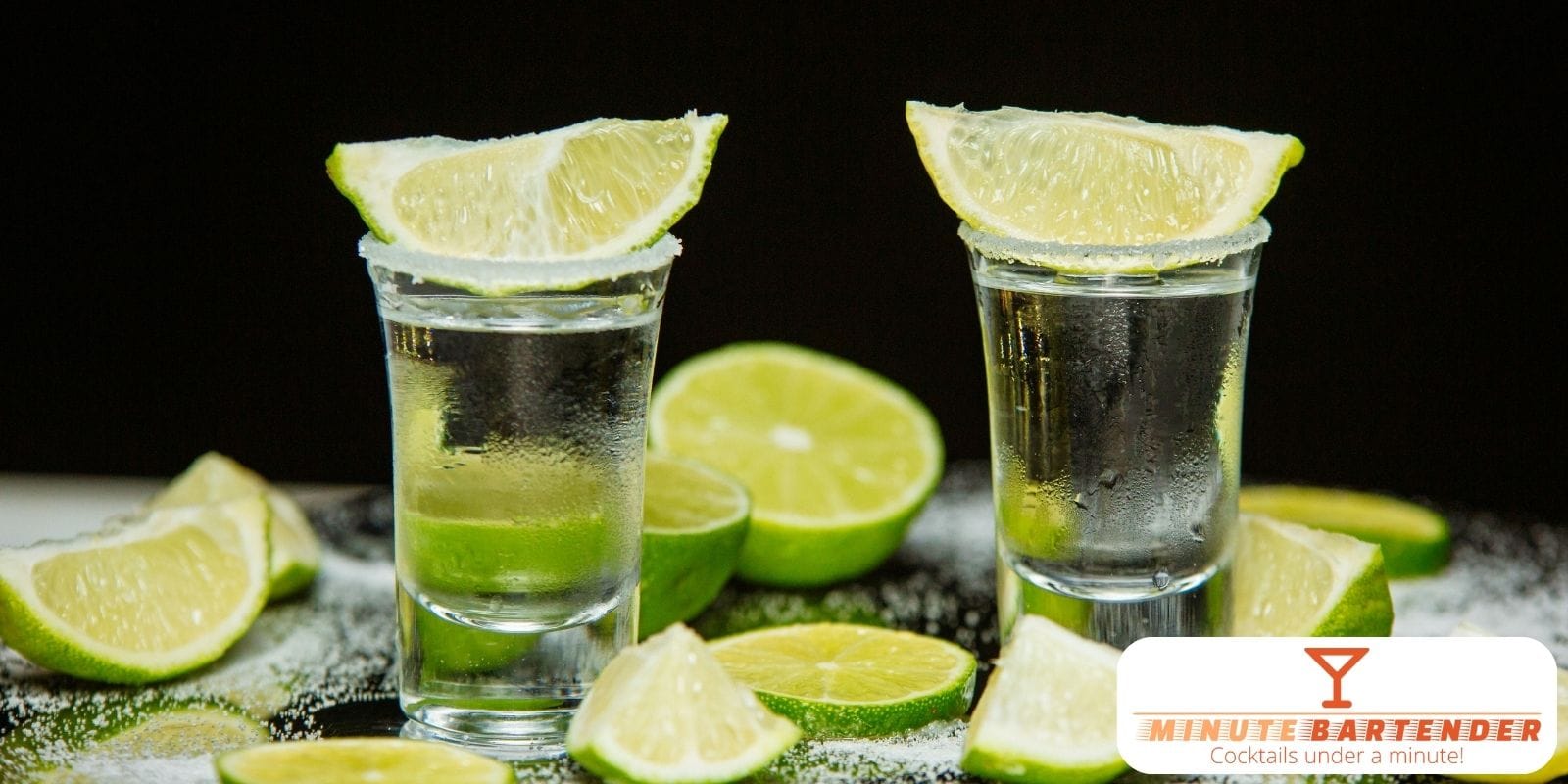
Tequila Blanco stands as the foundation of all tequila expressions. This crystal-clear spirit represents the purest form of agave distillation, capturing the authentic flavors of the blue agave plant without the influence of oak aging.
Whether you call it blanco, silver, or plata, this unaged tequila offers an unfiltered window into the craftsmanship and terroir of Mexico’s most celebrated spirit.
Every aged tequila begins its journey as blanco. This makes understanding Tequila Blanco essential for anyone seeking to appreciate the full spectrum of agave spirits. From sipping neat to mixing into classic cocktails, blanco tequila showcases the raw, vibrant character that has made tequila a global phenomenon.
Tequila Blanco History and Origins
The story of tequila begins over 1,300 years ago when the Aztecs first fermented agave plants to create pulque, a sacred beverage reserved for religious ceremonies. Archaeological evidence suggests that distillation techniques may have pre-Columbian origins, though most historians credit Spanish colonizers with introducing formal distillation methods in the 16th century.
The transformation from pulque to tequila occurred when Filipino sailors brought coconut distillation techniques to Mexico’s coastal regions. These Asian distillation methods merged with indigenous agave fermentation traditions, creating what we now know as mezcal and eventually tequila.
In 1595, King Philip II of Spain banned new vineyard plantings in Mexico to protect Spanish wine exports. Don Pedro Sánchez de Tagle, the Marquis of Altamira, turned to blue agave cultivation instead. He built the first commercial tequila factory in his Hacienda Cuisillos, earning him the title “Father of Tequila.”
The Spanish Crown granted the Cuervo family the first official license to produce tequila commercially. Don Cenobio Sauza later became the first producer to export tequila to the United States and pioneered the shortened name “tequila” instead of “mezcal de tequila.”
Modern tequila regulations emerged in 1974 when Mexico declared “tequila” as its intellectual property. Today, authentic tequila can only be produced in specific regions of Jalisco, Guanajuato, Michoacán, Nayarit, and Tamaulipas.
Tequila Blanco Taste Profile and Characteristics

Blanco tequila delivers the most authentic expression of blue agave flavor. Without oak aging to modify its character, this spirit showcases the terroir and craftsmanship of its production.
Highland tequilas from Los Altos regions offer sweeter, more floral profiles with notes of citrus, grass, and honey. The mineral-rich volcanic soil and higher altitude create agaves with higher sugar content, resulting in smoother, fruitier spirits.
Lowland tequilas from valley regions present earthier, more mineral-driven flavors. These spirits often display peppery notes, herbal qualities, and a more pronounced agave bite. The red clay soil and lower elevation produce agaves with different sugar compositions.
Traditional production methods significantly impact flavor profiles. Stone tahona wheels create more complex, textured spirits compared to modern roller mills. Wild fermentation with native yeasts adds funk and depth, while controlled fermentation with commercial yeasts produces cleaner profiles.
Copper pot stills versus stainless steel columns also influence the final product. Copper imparts smoothness and removes sulfur compounds, while stainless steel preserves more aggressive agave flavors.
Global Tequila Traditions and Cultural Significance

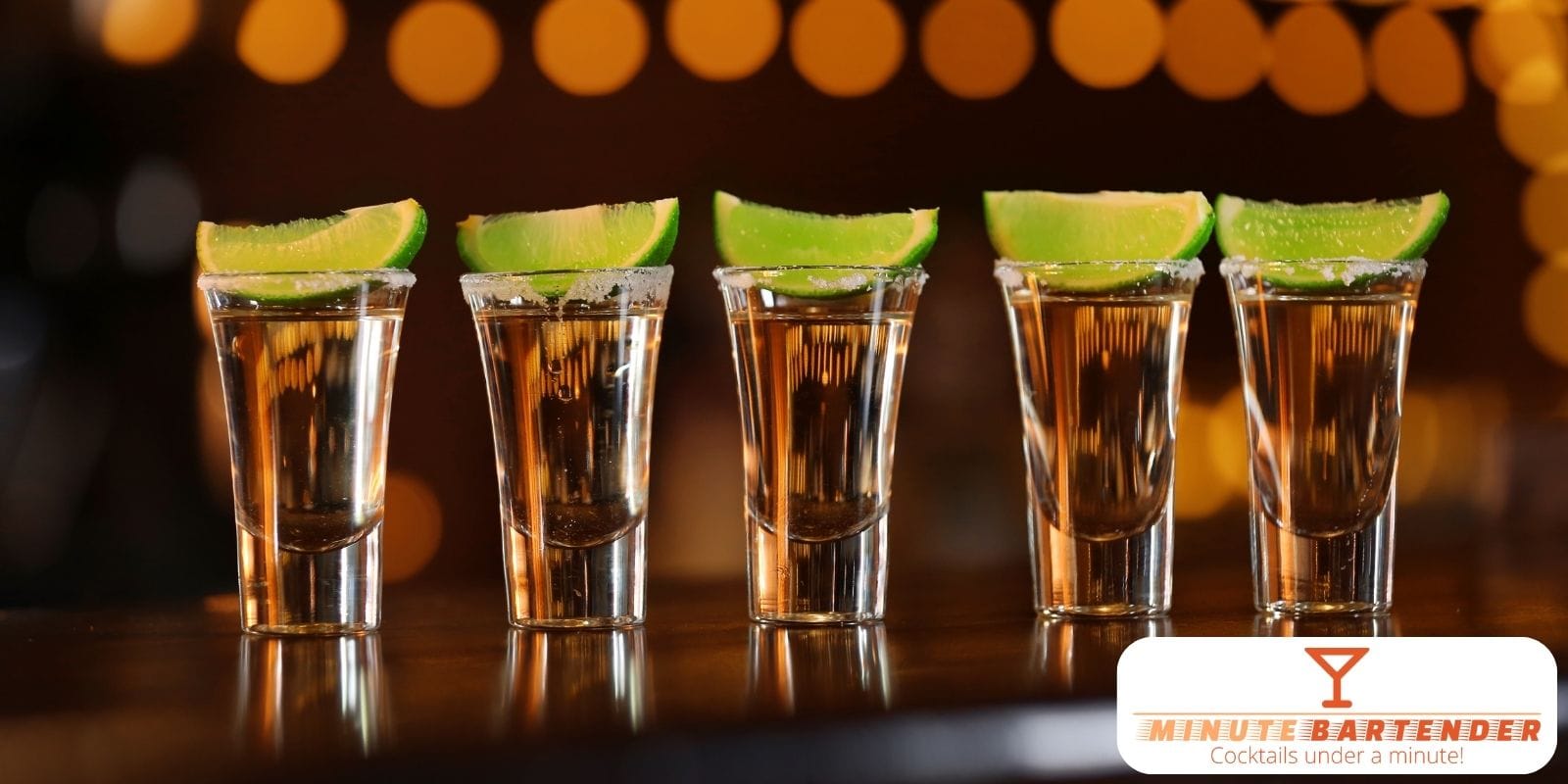
In Mexico, tequila serves as more than just a beverage – it represents national identity and cultural heritage. Traditional consumption involves sipping neat from a clay cup called a cantarito or shooting from tall, thin caballito glasses.
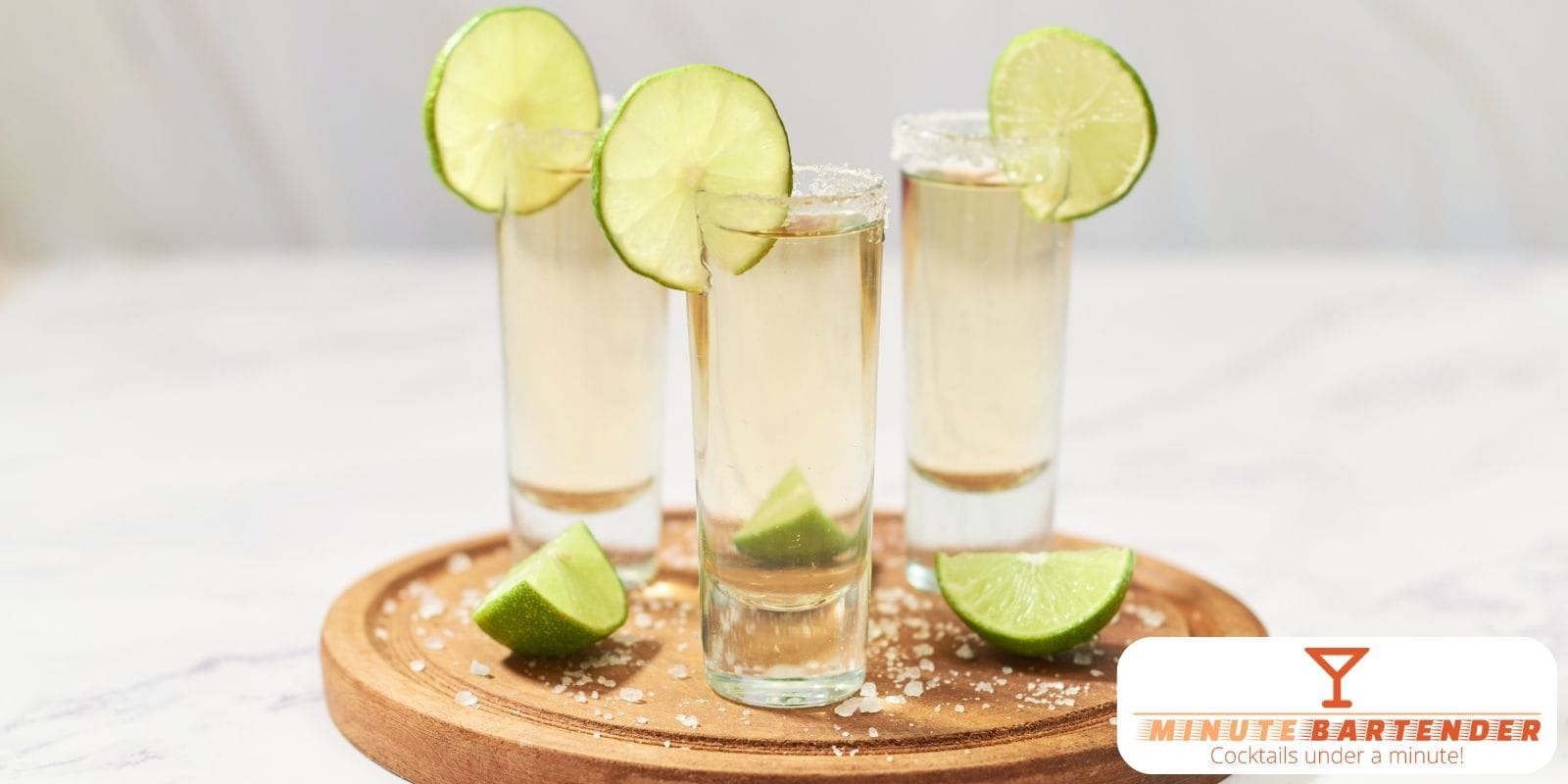
The famous salt-and-lime ritual actually originated outside Mexico as a way to mask harsh, low-quality tequilas. In Mexico, quality blancos are typically consumed neat to appreciate their full flavor complexity.
Jalisco remains the heartland of tequila production, where family distilleries have operated for generations. The town of Tequila itself is a UNESCO World Heritage site, recognizing the cultural landscape of agave cultivation and tequila production.
Regional variations exist throughout tequila-producing states. Each area brings unique production techniques, from different cooking methods to varying fermentation times. These traditions have been passed down through generations of master distillers.
Modern global appreciation has transformed tequila from a party shot into a sophisticated sipping spirit. Premium blanco tequilas now compete with aged whiskeys and cognacs in fine dining establishments worldwide.
Tasting and Evaluating Tequila Blanco

Proper tasting reveals the complexity hidden within quality blanco tequilas. Start by examining the color – authentic blancos should be crystal clear, though some may have slight opacity from filtration.
Aroma evaluation begins with gentle swirling to release volatile compounds. Quality blancos display fresh agave sweetness, often accompanied by citrus, pepper, or floral notes. Avoid spirits with excessive alcohol burn or artificial odors.
The first sip should coat your palate without harsh alcoholic bite. Look for balance between sweetness and earthiness. Premium blancos offer layers of flavor that evolve as the spirit opens up.
Finish length indicates quality – better tequilas linger pleasantly without burning. The aftertaste should remind you of cooked agave rather than raw alcohol.
Quality indicators include production methods listed on labels. Look for “100% de Agave” to ensure no added sugars. Additive-free tequilas provide the purest flavor experience.
NOM numbers identify the distillery, allowing you to research production methods and track consistency across different brands from the same facility.
Tequila Blanco Buying Guide and Recommendations
Quality blanco tequilas range from $25 to over $200, with excellent options available at every price point. Entry-level bottles under $30 include reliable choices for mixing and casual sipping.
Mid-range options between $30-80 offer significant quality improvements, often featuring traditional production methods and superior agave sources. These represent the sweet spot for most consumers.
Premium bottles over $80 showcase exceptional craftsmanship, rare production techniques, or limited releases. These are ideal for serious tasting and special occasions.
When shopping, prioritize 100% agave tequilas over mixtos, which contain added sugars and artificial flavors. Check for additive-free certification when available.
Research the distillery’s reputation and production methods. Recent tastings have identified several outstanding new releases that showcase traditional techniques at reasonable prices.
Consider your intended use – cocktail mixing requires different qualities than neat sipping. Robust, peppery blancos work well in mixed drinks, while smoother, sweeter expressions excel on their own.
Top Tequila Blanco Products
- Cierto Private Collection Blanco – Considered by many as the finest blanco available, this tequila offers sweet, floral bouquet with peppery notes and elegant finish
- Nosotros Blanco – Double Gold winner combining Highland and Lowland agaves for complex citrus and herbal flavors perfect for cocktails
- Fortaleza Still Strength Blanco – Traditional tahona-crushed tequila with intense agave flavors and authentic production methods
- El Negocio Blanco – Ultra-premium expression from Napa winemaker featuring rich, vegetal character with chili pepper spice
- Volans Blanco – Family-produced tequila using ancient tahona methods for supreme small-batch quality
- Chamucos Blanco – Handcrafted small-batch tequila with notes of vanilla, citrus, and cinnamon
- Patrón Silver – Reliable premium option with smooth profile and excellent mixability
- Espolòn Blanco – Outstanding value choice offering authentic agave character at affordable price
- Casamigos Blanco – Celebrity brand that earned respect through clean, pure agave expression
- Calle 23 Criollo – French biochemist’s creation showcasing scientific approach to fermentation
Classic Tequila Blanco Cocktails
Tequila Blanco serves as the foundation for countless classic cocktails. These drinks showcase the spirit’s versatility and ability to complement various flavors.
- Margarita – The world’s most famous tequila cocktail combining blanco tequila, lime juice, and orange liqueur in perfect harmony
- Paloma – Mexico’s national cocktail featuring tequila, grapefruit soda, and lime juice for refreshing simplicity
- Tommy’s Margarita – Purist version using only blanco tequila, lime juice, and agave nectar without orange liqueur
- Tequila Sunrise – Visually striking drink layering tequila, orange juice, and grenadine for beautiful gradient effect
- Cantarito – Traditional Jalisco cocktail served in clay cups with multiple citrus juices and grapefruit soda
- Ranch Water – Minimalist Texas creation with tequila, lime juice, and sparkling water
- El Diablo – Classic sour combining tequila, lime juice, grenadine, and ginger beer for spicy complexity
- Tequila Sour – Sophisticated cocktail featuring tequila, lime juice, and simple syrup with optional egg white
- Batanga – Simple highball from Tequila, Jalisco mixing tequila with Coca-Cola and lime
- Siesta – Modern creation balancing tequila with Campari and citrus for bitter-sweet complexity
Each cocktail highlights different aspects of blanco tequila’s character. The Margarita emphasizes citrus compatibility, while the Paloma showcases grapefruit harmony. These classic combinations have stood the test of time because they enhance rather than mask tequila’s natural flavors.
Modern bartenders continue experimenting with blanco tequila, creating innovative cocktails that push boundaries while respecting the spirit’s heritage. The key lies in understanding how tequila’s earthy, vegetal qualities interact with other ingredients to create balanced, memorable drinks.